Beginner's Guide to Crochet Animal Kits
Intro
Crochet has become a beloved pastime for many, especially with the rise of social media showcasing bright, cheerful creations crafted from yarn. Among the range of projects available, crochet animal kits stand out as a favorite for beginners. These kits offer not just a way to learn the craft but also an opportunity to create charming little creatures that can evoke joy and spark creativity. This exploration dives into the various elements of crochet animal kits, breaking down materials, suggested techniques, and the creative processes that turn a skein of yarn into an adorable animal figure.
With the right resources, anyone can transition from being a novice to producing their unique pieces of crafted art. This guide unfolds the key aspects of crochet kits, guiding aspiring crafters through their initial steps and helping them hone their skills as they progress. Expect to find insightful information that answers common questions and presents foundational principles, setting the tone for a fulfilling crochet journey.
The beauty of crochet lies not just in the finished product but also in the enjoyment of the process itself. Each stitch tells a story and each project fosters a connection between the creator and their creation. Whether you're looking to unwind after a long day or seeking a new hobby, crochet animal kits are a fantastic jumping-off point. Let's dig deeper into what these kits entail and why they're a great choice for beginners.
Understanding Crochet: The Basics
Crochet is more than a mere hobby; it's a fascinating blend of art and technique that has captivated generations. For beginners embarking on this journey, understanding the basics of crochet is essential. This knowledge lays down the foundation for a more enjoyable and fulfilling crafting experience. Not only does it equip crafters with the necessary skills, but it also fosters creativity, allowing individuals to express themselves through yarn.
Crochet is unique because it offers an extensive range of possibilities. With just a hook and some yarn, you can create anything from simple motifs to intricate designs. For those just stepping into this world, grasping the basics is like holding the map to a treasure trove. It’s not just about creating items; it’s about the satisfaction derived from seeing a project come to life, stitch by stitch.
A Brief History of Crochet
Crochet has an enigmatic history that seems to span across continents and cultures. It’s believed to have originated in the early 19th century, although some tracing links back to earlier forms in places like China and South America. The word "crochet" comes from the French term for "hook".
In its early days, crochet was often done using thread and served more of a functional purpose, creating items such as lace for clothing. This practical craft slowly transformed with the evolution of personal style in the Victorian era, making crochet a sought-after decorative art form. Notably, the late 19th century saw the rise of crochet patterns being published in magazines, making it accessible to the wider public. The art form blossomed, entwining itself into various aspects of society, seen from home décor to fashion.
What is Crochet?
At its heart, crochet is the process of creating fabric from yarn using a hooked needle. The beauty of crochet lies in its versatility. You can create a blanket, make a scarf, or even craft a whimsical stuffed animal, all through a series of interconnected loops.
Unlike knitting, which requires two needles, crochet employs just one hook, making it seem simpler at first glance. However, mastering crochet takes time, practice, and patience. The captivated creator manipulates loops to form intricate patterns, turning raw materials into something special.
In short, crochet is not merely a technique; it’s a language of fiber art. Whether you are looking to produce cozy garments, elaborate decorations, or adorable animals, it all starts with understanding the core principles of crochet. The more you engage with this craft, the deeper your appreciation for it becomes.
The Appeal of Crochet Animal Kits
Crochet animal kits have become a notable trend in the crafting sphere, especially for beginners looking to dabble into the soothing world of yarn and creativity. Their appeal lies not just in the final product – an adorable crocheted animal – but also in the journey that leads to its creation. As one digs into this art form, they discover layers of satisfaction; it’s as much about the process as it is about the outcome.
Creative Expression through Crochet
When addressing the notion of creativity, crochet stands as a powerful medium. Every stitch tells a story, every color choice reflects personal taste, and the design morphs into a true representation of the maker's vision. With crochet animal kits, this personal expression is particularly enhanced. Imagine selecting vibrant yarn colors that resonate with your mood or choosing patterns that reflect a whimsical creature – it’s an artist’s playground.
Each kit often comes packed with patterns that inspire ranging from the cuddly teddy bear to serene foxes. A novice crocheter can experience the delightful challenge of interpreting a pattern through their unique lens. It’s not solely about following instructions; it’s discovering your style. More seasoned crocheters might even alter patterns to create distinct variations, adding yet another layer of creativity.
Beyond self-expression, the act of crocheting can feel meditative. As one’s fingers engage with the yarn, there’s a flow that can lead to tranquility. Each repetition of the hook through the yarn offers a moment of peace in a frenetic world; it’s the ideal therapy for many. The repetitive motions create a rhythm that can ground individuals, making crochet a stress-relieving hobby.
"Crocheting isn't just a hobby; it's a journey towards self-discovery and relaxation."
Benefits of Using Kits for Beginners
For newcomers stepping into the crochet realm, starting with kits boils down to untangling potential frustrations. Here are some compelling advantages:
- Comprehensive Components: Most animal kits deliver everything required: yarn, hooks, and patterns. This eliminates guesswork about what to buy.
- Guided Learning: The accompanying patterns typically outline step-by-step instructions tailored for beginners, reducing confusion and enhancing confidence.
- Structured Projects: Having a clear goal – in this case, a finished animal – keeps the motivation high. As one progresses, the sense of achievement fosters a desire to tackle even more complex projects.
- Cost-Effective: Investing in a kit can often be more economical than purchasing materials individually. Many kits offer bulk savings.
- Community Engagement: Often, these kits come with access to online forums or social media groups. This connection to a broader circle can be motivating and enlightening, offering camaraderie and support.
In essence, crochet animal kits birth creativity while providing ample support for those just starting out. The combination of all-inclusive kits with the soothing nature of crochet crafts a lovely path for beginners. As they weave their first creation, they unknowingly step into a vibrant community that cherishes the simple joy of crafting beautiful, handmade treasures.
Components of Crochet Animal Kits
When diving into the world of crochet, especially for beginners, the right components can make all the difference. It’s not just about picking up a hook and yarn; understanding the various elements that come with crochet animal kits is crucial for a smooth journey into this craft. These kits often bundle essential tools, materials, and patterns, creating a comprehensive package that simplifies the learning process and enhances the overall experience. Let’s break down these components to understand why they are important.
Essential Tools and Materials
At the heart of any crochet kit lies the essential tools and materials. Each element plays a specific role, ensuring that those just starting out can navigate the crochet landscape without feeling overwhelmed. Here’s a closer look at what you typically find in a good crochet animal kit:
- Crochet Hooks: The size and type of hook listed in the kit is critical. For example, a 4.0 mm hook may be perfect for a soft, squishy yarn, but using a different size might affect tension. Beginners should pay attention to these specifications.
- Stitch Markers: These handy little gadgets help keep track of stitch counts and marker stitches in patterns, making it easier for newcomers to stay on track.
- Yarn: This is perhaps the star of the show. Yarn comes in various types and textures. The kit typically provides enough yardage for completing the animal, allowing beginners to focus on the project without the worry of running short.
- Sewing Needle: Most kits include a yarn needle for weaving in ends and finishing off projects. A blunt-tipped needle is common in animal kits, as it is safer for handling.
These components make it clear that beginners are not left in the lurch. Rather, they are equipped with everything needed to get started with confidence and clarity.
Patterns Included in Kits
Patterns included in crochet animal kits are the guiding star for beginners. They lay the groundwork for what a beginner is expected to create, breaking it down into manageable steps. Here’s what to consider regarding these patterns:
- User-Friendly Instructions: Patterns that come with kits are often designed with clear, straightforward instructions. These are typically labeled with stitch abbreviations and also come with illustrations or photographs, which provide visual guidance. This is key for newcomers who might still be unfamiliar with crochet terminology.
- Variety of Projects: Most kits feature a range of animal designs that can vary from simple to slightly more complex. For example, beginners might start with a basic plushie rabbit before moving on to a more intricate lion. This gradual progression prevents overwhelming the starter, making the learning curve feel like less of a mountain and more of a gentle hill.
These patterns can turn what can often feel like an insurmountable task into an enjoyable process. They encourage creativity while keeping frustration at bay.
Yarns and Their Characteristics
The choice of yarn can dramatically affect the crocheting experience and final outcome of a project. In crochet animal kits, understanding yarn characteristics is paramount. Here’s a deeper look:
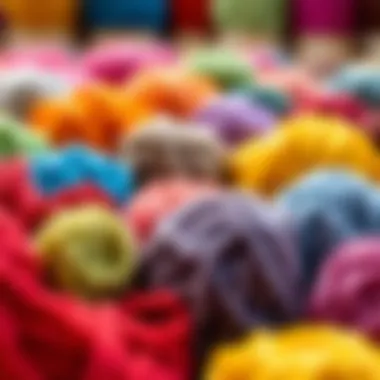
- Types of Yarn: Kits usually include a plush acrylic or cotton yarn, which is soft against little hands and perfect for stuffed animals. Each type offers different benefits in terms of ease of handling and the texture of the final product.
- Weight of Yarn: The thickness of the yarn impacts the drape of the finished piece. Beginners should know that lighter yarn is often easier to work with, while heavier options may be more forgiving for mistakes but could be harder to manipulate.
- Color Choices: Vibrant colors are typical in crochet kits designed for animal making. The right color can breathe life into a project and reflect individual creativity, making it important that kits appeal to a variety of tastes.
Understanding yarn characteristics ensures that beginners are adequately equipped to make informed choices while tackling their first projects.
A well-designed crochet animal kit is more than just a collection of materials—it's a carefully constructed pathway for new crafters to explore and express their creativity while building confidence in their skills.
Getting Started with Your Kit
Embarking on the journey of crocheting your own animal can be both exhilarating and a tad overwhelming, especially for beginners. Addressing how to get started with your kit is crucial in laying down the first stones of this artistic path. Getting your workspace ready is half the battle won, while an understanding of crochet tools like hooks can make all the difference between frustration and satisfaction. Let’s dive into the nitty-gritty of how to establish a solid foundation for your crochet adventure.
Setting Up Your Workspace
Creating an inviting and functional workspace is essential for any new crocheting enthusiast. Ideally, you want a setting that inspires creativity and minimizes distractions. Here are some pointers to help you set up:
- Choose a Comfortable Spot: Find a chair and table or surface that you find cozy but effective. Natural light is your friend, but if that’s hard to come by, a good lamp will complement your area well.
- Organize Your Tools: Having all your materials within reach can save you the hassle of rummaging through bags when you’re in the zone. Consider a small basket or drawer for your yarn, scissors, and other essentials.
- Keep it Clutter-Free: Too much chaos can stifle creativity. Make it a habit to tidy up your area before each session, allowing for a soothing crocheting experience.
Setting the scene might seem trivial but having a personal, uncluttered workspace can make all the difference.
Understanding Crochet Hooks
The crochet hook is your primary tool; understanding its role is vital for a smooth crocheting process. Here’s the scoop on these little instruments of creation:
- Types of Hooks: Crochet hooks come in various materials like aluminum, plastic, and bamboo. Each type has its own feel and benefits. For beginners, aluminum hooks are often recommended due to their smooth glide through yarn.
- Sizes Matter: Crochets hooks come in varying sizes, which can affect your work. A standard G hook, for example, is versatile enough for most animal crochet kits but be sure to check your pattern's recommendations.
- Grip and Comfort: If you’re planning to crochet for hours, comfort is key. Look for hooks with ergonomic grips or those that feel comfortable in your hand. This attention to your tools might seem trivial, yet it contributes to an overall enjoyable crafting experience.
Understanding crochet hooks is fundamental for any beginner looking to master the art. With the right hook in hand, transforming yarn into delightful creations becomes an engaging process.
Basic Crochet Techniques
To truly embrace the art of crocheting animals, understanding basic crochet techniques is a cornerstone of your creative journey. These techniques not only equip you with the skills necessary to bring your adorable creations to life but also lay a solid foundation for enhancing your proficiency, whether you remain in the realm of simple animal shapes or venture into more complex projects later.
The primary benefit of mastering these techniques is confidence. Each stitch adds to a structure, slowly revealing the shape and form you envision. By taking time to get acquainted with fundamental stitches and methods, beginners build a sense of accomplishment with every tiny puppet they crochet, gradually transitioning from novice to adept with the yarn.
Fundamental Stitches for Animal Creation
When crafting adorable crocheted animals, familiarizing yourself with specific stitches can drastically impact the quality and appearance of your final product. Below are some essential stitches that every beginner should have in their toolkit:
- Chain Stitch (ch): The very first stitch to learn, a chain stitch forms the foundation of nearly every crochet project, standing as the basic building block for more complex patterns.
- Single Crochet (sc): This stitch creates a dense fabric, perfect for animal limbs or round bodies. It’s simple and versatile, making it irresistible— a must for creature creation!
- Double Crochet (dc): Giving your project a bit more height, this stitch allows for larger entries and wide areas, perfect for adding depth to your animals.
- Slip Stitch (sl st): Typically used for joining stitches, this helpful technique is what allows you to invisibly connect and finish your pieces neatly.
Remember, the key to fluency in crocheting is practice. Regularly working on these stitches will enable your fingers to hit that sweet spot where yarn and hook become an extension of your ideas.
Reading Crochet Patterns
Being able to read crochet patterns is akin to deciphering an ancient manuscript; it unlocks new realms of creativity and allows you to follow along with the evolution of your project. Patterns contain a lexicon of crochet abbreviations and symbols, which might seem daunting initially, yet with a little patience, they become second nature.
- Abbreviation Mastery: Familiarize yourself with common crochet abbreviations—knowing what "sc" means versus "dc" is critical in deciphering projects.
- Understanding the Structure: Patterns often include a stitch guide, detailing how many stitches to make in a row, which helps you visualize the piece you're bringing to life.
- Visual Aids: Patterns usually come with images or diagrams. Use these as guides along with the written instructions to keep your work in line with the intended design.
Taking the time to dissect a crochet pattern will not only enhance your skills but will also save you a heap of frustration. It’s one thing to know basic techniques, but to combine them effectively into a coherent design is where the magic of crochet truly happens.
Common Challenges for Beginners
Embarking on the journey of crochet can sometimes feel like navigating a maze for beginners. The excitement of creating something beautifully crafted is often accompanied by various challenges that can put a damper on this creative pursuit. Writing about these common hurdles helps clarify what to expect and equips new crocheters with strategies to tackle them effectively.
Despite the numerous benefits that come with crocheting—such as therapeutic mindfulness and the joy of crafting something with your own hands—novices oftentimes encounter certain stumbling blocks. Addressing these issues not only enhances their learning experience but also enables a deeper connection to the craft. From dealing with mistakes in stitches to battling the notorious yarn tangles, being prepared is half the battle.
Troubleshooting Errors in Stitches
One of the most daunting aspects of crochet can be the inevitable errors that arise during the process. Mistakes are part and parcel of learning, yet they can become quite frustrating when you're trying to create an adorable plush animal. It’s crucial for beginners to recognize that such mishaps are common, and knowing how to troubleshoot them effectively is essential. Here are some examples:
- Identifying Common Mistakes: Beginners may notice that their work doesn’t have the expected shape or size. Whether it’s the oh-so-familiar issue of too many or too few stitches resulting in lopsided creations, this is a key moment for learners. Understanding the common pitfalls is critical. Review your last few rows to ensure each stitch counts; errors may be hiding in plain sight.
- Ripping Back: If you find that things have gone a bit off track, don’t hesitate to rip back to the last correct row. It might feel like a setback, but it’s often a necessary step that saves time and material in the long run—much more appealing than trying to work with something that doesn’t look right.
- Using Stitch Markers: To prevent errors in the first place, consider using stitch markers. They can be your best friend for counting stitches and stabilizing your work, especially in patterns that require you to keep track of various stitch counts.
It’s worth mentioning that resources like the Crochet Guild of America provide excellent tips and forums for troubleshooting common stitch errors.
Dealing with Yarn Tangles
Yarn tangles can feel like the dark side of every crocheter's experience, especially for those just starting on their journey. A tangled ball of yarn can go from a ball of limitless creativity to a chaotic mess in the blink of an eye. Here are some foundational matters to consider:
- Winding Yarn Properly: Before you even begin your project, make sure that your yarn is wound correctly. If it’s a hank, consider winding it into a cake form, which helps prevent tangles. A cake-shaped ball tends to unwind more neatly, avoiding many of the common knotted battles.
- Storage Solutions: How you store your yarn can make a world of difference. Simple solutions such as using a yarn bowl or even a basket can hold the yarn while you work. This not only keeps the yarn from rolling away but also minimizes the risk of it slipping into a tangle.
- Taking Breaks: When it comes to tangled yarn, sometimes it’s best to walk away for a moment rather than forcing the issue. Just like a puzzle, taking a step back can lend you a new perspective and help you untangle it more efficiently when you return.
Addressing these common challenges head-on empowers beginners to embrace the process of learning. Understanding and mastering these areas can make all the difference in cultivating a fulfilling crochet experience.
Finishing Your Crochet Animal
Finishing your crochet animal is more than just tying up loose ends; it's the final touch that transforms a collection of yarn and stitches into a cherished creation. This process can be seen as the cherry on top of the crochet sundae, lending your work the polish it needs to shine. The importance of this section cannot be overstated, as it encompasses not just assembly but the overall presentation and functionality of the animal.
When you take the time to properly assemble your animal and add thoughtful details, you are elevating your craftsmanship. From ensuring that each part is stitched securely to deciding on the right embellishments, the finishing touches contribute significantly to the credibility of your work. Moreover, it provides a sense of accomplishment as you witness your project come to life.
Assembling Parts of the Animal
The assembly phase is where your imagination gears up into high drive. Imagine working on distinct pieces, whether it’s the head, body, limbs, or tail, each requiring careful attention during assembly. You need to ensure that everything comes together seamlessly for a finished look that feels cohesive.
- Secure Connection: Start by using a yarn needle to sew the parts together. It’s a good idea to match the yarn used to crochet those parts, ensuring the stitching is not overly visible.
- Proper Alignment: Pay close attention to how the parts align. A lopsided head or mismatched limbs can quickly turn an adorable creature into a wonky version of its intended self.
- Stuffing: If your kit includes stuffing, this is a crucial step that adds dimension to your creation. Be sure to distribute the stuffing evenly within the body and limbs, so they maintain a pleasant shape.
- Final Stitch: Once everything is positioned correctly, finish the stitching securely and hide any loose ends by tucking them in or trimming them carefully.
To illustrate, consider a crochet panda. It would be disappointingly flat without properly placing the head and stuffing it adequately. Assembling not only fixes pieces together but also injects personality into your work.
Adding Safety Eyes and Embellishments
Once your crochet animal is stitched together, you might think it's complete—but hold on! Adding safety eyes and various embellishments can take your creation to a whole new level. Safety eyes are not just crucial for cuteness; they also ensure safety if your creation is intended for a child.
- Choosing Eyes: Safety eyes come in different sizes and colors. Choosing the right ones is key to conveying your critter’s character. A too-big eye might give a bunny an alarming look, while well-sized eyes would present a friendly demeanor.
- Placement Matters: When placing safety eyes, consider the expression you want your animal to display. Are you going for a playful look, or something more serene?
- Embellishments: This is where the fun ramps up! Consider adding small accessories like scarves, bows, or even little flowers. The key is to choose items that complement rather than overshadow your work. For example, a tiny bow on a teddy bear can be adorable, but a massive one might distract.
In summary, finishing your crochet animal is where creativity and precision intersect. Whether it's stitching the parts together or adding thoughtful accessories, each action contributes to a finished piece that you can take pride in. Embracing these final steps will make for a work that not only looks good but feels well-loved and personal.
"Every finished project is a step towards mastering the craft. Embrace the details."
For more crochet tips and inspiration, check websites like Ravelry or Yarnspirations for additional resources.
Exploring Advanced Techniques
When you start dipping your toes into crochet, you might find it a tad simple to pick up the needles and create something cute. However, as you grow more comfortable with the basics, you may wish to enhance your skills by experimenting with advanced techniques. This section dives into the world of color changes and textures, as well as shaping techniques that can elevate your projects from the ordinary to the extraordinary. Mastering these skills not only adds flair to your crocheted animals, but also brings a sense of accomplishment and creativity.
Color Changes and Textures
Changing colors in crochet can be a fun way to add complexity and visual interest to your projects. It may seem complicated at first, but once you understand the basic principles, it becomes second nature. With each change of color, you have the opportunity to create striking designs that can make even simple animal patterns stand out.
Incorporating textures into your work can also breathe life into your creations. Techniques such as bobble stitches, popcorn stitches, and even using textured yarn can make your pieces feel three-dimensional and tactile.
Here's how you can practice color changes and adding textures:
- Color Changes: When switching colors, position the new color near where you start the next stitch. You can create stripes, spots, or color blocks depending on your design.
- Textures: Using different stitches like puff stitches or crab stitches can add unique elements to your projects. Don't shy away from experimenting with different yarns that have varied textures as well.
By playing around with these techniques, you begin to understand how color and texture can alter the allure of your work.
"Creativity takes courage." – Henri Matisse
Shaping Techniques for More Complex Designs
Shaping your crochet project is essential for creating truly impressive animals. Good shaping can turn a simple ball of yarn into a lifelike creature. This is ultimately what separates beginner projects from those that look professionally made.
To create shapes for arms, legs, ears, and faces, you will often use techniques such as increases and decreases. These methods help form contours that mirror natural anatomy.
To get started with shaping:
- Increases: To make your work wider, add stitches at intervals. This creates curves and volume—essential for an animal’s paws or body.
- Decreases: Conversely, when you want a pointy feature like a nose or antennae, you’ll need to reduce stitches gradually.
- Joining Methods: As you create different parts, you'll eventually need to join them. Mastering the whip stitch or slip stitch technique will allow you to connect pieces seamlessly.
By fine-tuning these shaping methods and experimenting with different designs, your skills will definitely improve, allowing for more intricate and detailed projects.
Diving into these advanced techniques can open up a whirlpool of possibilities for your crochet journey. This is where you can really let your imagination run wild, thinking beyond simple animal projects and exploring various themes, styles, and artistic expressions.
Maintaining and Caring for Crocheted Animals
Keeping your crocheted animals in tip-top shape can be as important as the joy of creating them in the first place. Once you’ve put in the effort to craft these adorable figures, you want to ensure they last and maintain their charm. Proper maintenance not only extends the life of your creations but also preserves the intricate details and vibrant colors that make them special.
In this section, we'll explore cleaning and handling guidelines, as well as how to store your finished projects effectively.
Cleaning and Handling Guidelines

Taking care of your crocheted animals means understanding the best ways to clean and handle them without causing damage.
- Gentle Cleaning: Start by dusting off your toys with a soft brush or a lint roller. If they’re particularly dirty, a damp cloth can work wonders. Just be careful not to soak them through, as excess water can lead to fading or misshaping.
- Washing: If your crochet animal needs a more thorough cleaning, you might consider hand washing. Fill a basin with lukewarm water and a dash of mild detergent. Immerse the animal gently, using your fingers to swish it around. Rinse with cool water, ensuring all soap is out.
- Drying: After washing, do not wring it out as that can ruin the shape. Instead, pat it down with a towel and let it dry flat in a shady spot. Direct sunlight can bleach out colors quickly.
"Taking care of your creations is half the fun. Remember, slow and steady is the name of the game!"
Always handle your crocheted animals with clean hands and be mindful of their delicate fibers. This is particularly essential if you’ve used cotton or wool yarn, as they can wear out faster with too much friction.
Storing Your Finished Projects
Storage might not be glamorous, but it plays a crucial role in the longevity of your crocheted masterpieces. Here are some tips to keep them fresh and unfaded:
- Avoid High Humidity: Moist environments can invite mold or mildew, especially if your crocheted animal is made from natural fibers. Keep them in a dry area.
- Use Plastic Containers: Consider using clear plastic bins for long-term storage. They protect against dust and pests while allowing you to see your projects at a glance.
- Keep Away from Sunlight: Direct sunlight can fade colors over time. Store your projects in dimly lit areas to help them retain their original hues.
- Rotate Displayed Items: If you like to showcase your creations, change them out periodically. This helps reduce the wear and tear from exposure to dust and air.
Proper maintenance and thoughtful storage go a long way in ensuring that your crocheted animals remain lovingly displayed, cherished by you and admired by others.
Inspiration for Future Projects
When crafting with crochet, especially using animal kits, the joy of creation doesn’t end with your first masterpiece. Inspiration for future projects is vital not just for skill growth, but also for fostering creativity and personal expression in your work. The ablility to envision what comes next after completing a cute little bunny or a cuddly bear can ignite a continuous journey of artistic exploration.
Looking ahead pushes you to think outside the box. How can you take the basic techniques learned from your kit and apply them to your own unique designs? Imagining new projects helps solidify those early lessons while encouraging a mindset geared toward innovation. Moreover, it builds your confidence, allowing you to branch out into more complex patterns and varied materials.
Consider the following elements as you seek inspiration for your future crochet endeavors:
- Everyday Objects: Your surroundings can spark ideas. Look at familiar items; perhaps a beloved pet translates beautifully into a crochet pattern.
- Nature: Colors, shapes, and textures in nature can provide a bounty of design inspiration. Observe flowers, animals, and even the changing seasons.
- Fashion Trends: Pay attention to current fashion. Crochet is back in vogue, and adapting designs for accessories such as bags, hats, and wearable art can be very fulfilling.
Engaging with a community of fellow crocheters—who share the same passion—can offer tremendous inspiration. As we dissect our creations, celebrate our successes, and troubleshoot our failures collectively, we become an ever-growing circle of encouragement and idea generation.
"An artist is not a special kind of person; rather, each person is a special kind of artist." - Anonymous
Online Resources and Communities
The digital age provides an array of platforms teeming with resources that can elevate your crochet skills. Online communities, forums, and social media platforms have exploded in popularity among crocheters, allowing enthusiasts of all levels to connect and share.
- Reddit: The crochet community on Reddit can be an absolute goldmine. Not only can you engage with experienced crafters, but you can also find inspiring designs tailored to beginners, as well as solutions to common challenges. For crochet enthusiasts, r/crochet is a one-stop hub.
- Facebook Groups: Many specific crochet or crafting groups on Facebook allow for real interaction. You can join groups focused on beginner crochet, animal crochet kits, or even local meetups. Sharing progress or mistakes encourages learning and creativity.
- YouTube Channels: Numerous creators dedicate their channels to crochet tutorials. Subscribing to a few can provide varying perspectives on techniques or patterns you might want to explore next.
These online resources aren't just a source of inspiration; they can also serve as a protective net. Knowing that others face the same struggles can mitigate feelings of frustration, making it easier to persist.
Books and Tutorials for Further Learning
Books and tutorials remain invaluable to anyone seeking to deepen their crochet knowledge. Unique patterns, advanced techniques, and the rich history of crochet can often be explored in detail through well-penned literature.
Recommended reads include:
- The Complete Guide to Crochet by Jane Smith: This thorough resource covers not only apprentices’ vocabulary but also advanced techniques for seasoned crocheters.
- Amigurumi Crochet Animals by Lisa Turner: For those interested specifically in animal figures, this text offers a plethora of designs and ideas, along with tips and tricks.
In addition to books, consider online platforms that specialize in crochet:
- Craftsy: An excellent source for video tutorials on different crochet techniques tailored for various skill levels.
- Skillshare: Here you can find courses hosted by crochet experts who can guide you through anything from beginner to intermediate projects.
Learning is an ongoing journey. With each new technique, you refine your style and grow your artistic voice. Embrace this quest, and inspiration won't be far behind.
Culmination: The Journey of a Beginner in Crochet
In the world of crochet, especially when beginning with animal kits, the journey is as meaningful as the destination. This final section encapsulates the profound impact that embarking on this crafting adventure can have on individuals. Not only does it foster creativity, but it also instills a sense of accomplishment as crafters see their fuzzy ideas transform into tangible creations.
Reflecting on the progress made throughout this journey is vital. Each loop and stitch is not merely a step in a repetitive process; it represents growth in skill and confidence. Evaluating where one started versus where one is now offers both perspective and motivation. For instance, a beginner who once struggled to hold a crochet hook can appreciate the intricate works of art that they can create today. This reflective practice encourages continuous improvement and a desire to take on ever-challenging projects.
Reflecting on Your Progress
Self-reflection serves as a cornerstone for personal and artistic growth in crochet. It's essential to take a moment to assess how far you have come since you first unboxed that crochet animal kit. Consider keeping a journal or photo log of your completed projects. This may involve snapping pictures of your first few, possibly lopsided creations, and contrasting them against your more recent works. Not only does this highlight improvement, but it also validates achievements, big or small.
You might ask yourself questions like:
- What were the most challenging aspects I faced?
- How did I overcome these hurdles?
- What skills did I develop that I didn’t have when I started?
Such inquiries can guide future learning and inspire new goals. Development doesn’t just stop at finished pieces; it extends to understanding yarn types, improving tension, and refining finishing techniques.
Embracing the Crochet Community
The journey doesn’t have to be a solitary one. Embracing the crochet community can amplify enjoyment and learning. From local groups to massive online communities, you can share experiences, challenges, and victories with others who are just as passionate about crochet. Joining platforms such as Reddit or participating in Facebook groups can spark new friendships and provide invaluable support. Beyond just sharing finished works, these communities are a goldmine for advice, resources, and encouragement.
Additionally, interactions with fellow crocheters can lead to:
- Motivation to tackle more intricate designs.
- Access to exclusive patterns and tutorials.
- Invitations to local craft fairs and workshops.
As you connect and share, you weave yourself into a larger tapestry of creativity. The shared laughter over snarled yarn or the excitement when someone completes their first project adds warmth to the craft. Remember, in crochet, as in life, every stitch you make is a part of a much larger design.