Exploring the Draped Asymmetrical Dress in Fashion
Intro
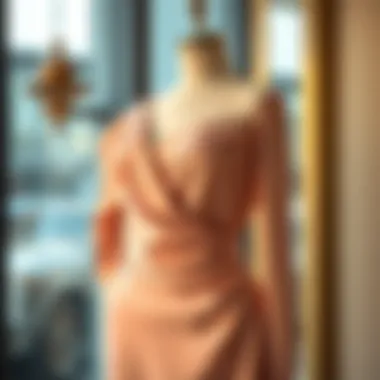
The draped asymmetrical dress is not merely a piece of clothing; it’s a canvas where the realms of art and fashion intersect creatively. This garment style boasts a unique aesthetic appeal that has captured the imagination of designers and wearers alike, transcending the trends and tidal changes in fashion. Its grooves, folds, and cascading lines draw from historical influences while embracing modern design principles, making it a prominent choice for those who wish to stand out.
Understanding the intricacies of the draped asymmetrical dress involves delving deep into both its origins and its evolution. The art behind such design is steeped in cultural nuances and artistic expressions, persuading stylists and fashion enthusiasts to explore its vast possibilities. With roots that can be traced back to different epochs of both Western and Eastern civilizations, the dress has morphed over time, becoming a hybrid of functional style and artistic flair.
In today's fast-paced fashion landscape, it is essential to dissect current trends and iconic moments associated with the draped asymmetrical dress. By doing so, one may appreciate not only its artistic heritage but also its relevancy in contemporary wardrobes, as designers push the boundaries of expression.
In the upcoming sections, we’ll navigate through various aspects of this dress style, gaining practical insights that can empower you in your sartorial choices. What defines the essence of a draped asymmetrical dress? How does one style it effectively? All these questions will be addressed as we embark on this exploration.
Understanding Draped Designs
Draped designs are not merely techniques used in fashion design; they embody a philosophy of fluidity and form that has transcended time and aesthetics. This exploration into the draped asymmetrical dress calls for a thorough understanding of how draping works, as it is integral to how garments shape the body and interact with movement. At their core, draped designs celebrate the interplay between fabric and silhouette, allowing for an organic flow that can become a work of art.
The emphasis on draping introduces several benefits in design. For instance, a well-executed drape can enhance the wearer's silhouette by softening harsh lines, creating an illusion of curves in unexpected places. This way of working with fabric allows designers to experiment with structure without sacrificing comfort. Draping also facilitates a connection with the human form, considering how cloth moves with the body rather than merely covering it.
While draped designs can appear spontaneous, they actually require a keen understanding of fabric weight, texture, and how these properties interact with gravity. Certain fabrics lend themselves to a beautiful drape, whereas others may stiffen or distort the intended design. As such, draping is as much about the physical characteristics of materials as it is about artistic intent. Designers who master this element find themselves able to craft unique silhouettes, turning where the fabric falls into a sculptural element.
With more focus on sustainable practices in the fashion industry, understanding draped designs also becomes essential in making thoughtful choices about how garments are constructed. This technique can reduce fabric waste, allowing for innovative patterns that maximize every inch of material. In summary, grasping the importance of draped designs sets the foundation for appreciating the complexities and artistic intentions behind the draped asymmetrical dress.
The Art of Draping
Draping is an art that merges technical skills with creative expression. At its heart, the process involves arranging fabric on a dress form or the body to create a specific silhouette. Designers often begin with a specific idea or theme, only to find that the fabric itself leads them in unexpected directions. This interaction between designer and material is what makes draping so unique and often unpredictable.
The beauty of draping lies in its versatility. Different techniques can yield vastly different outcomes. One might find soft flounces cascading down a dress or sharp, angular folds that command attention. This is where the designer's vision comes alive. By playing with volume and balance, they can emphasize certain body areas while elegantly concealing others. For instance, a draped bodice can highlight the bust in a flattering way while allowing the lower part of the dress to remain fluid.
Moreover, draping encourages spontaneity. It embraces imperfections and the organic nature of fabric. Unlike flat pattern making, where precision is key, draping allows for creativity to flourish. As a designer works through the draping process, surprises often lead to innovative results that can differentiate a collection.
Historical Context of Draped Fashion
Draped fashion has roots that dig deep into history, with examples found across various cultures and periods. From ancient Greece to the Renaissance, draped designs have made statements about identity, status, and artistry. For example, the Greek chiton was a simple piece of fabric draped beautifully around the body, symbolizing both ease and elegance. This way of dressing was not only practical for warm climates but also allowed for a freedom of movement that resonated with the values of the time.
In the Renaissance, draping techniques became more structured, reflecting a blend of artistic flourishes and cultural shifts. Tailors began to take inspiration from classical antiquity, leading to more elaborate designs that conveyed wealth and sophistication. In modern times, designers like Issey Miyake and Vivienne Westwood have pushed the boundaries of draping, reinterpreting historical techniques to address contemporary themes.
As fashion evolves, the history of draping gives context to today’s trends and styles. Designers can draw from a vast pool of techniques, experimenting with and revitalizing traditions to create something both timeless and contemporary. This dialogue between past and present creates a richer narrative around the draped asymmetrical dress, linking it to an ongoing exploration of form, identity, and culture.
"Fashion is the armor to survive the reality of everyday life" – Bill Cunningham. Understanding the roots of draped designs assists in acknowledging its power as a tool for self-expression.
Defining the Asymmetrical Dress
In the realm of fashion, the draped asymmetrical dress stands out not just for its physical attributes but for the innovative spirit it embodies. The phrase itself, "asymmetrical dress," brings a sense of intrigue and invites discussion about the intricate balance between creativity and practicality. Understanding what defines this dress style is crucial for anyone involved in fashion—from stylists and designers to influencers and retailers. This section will illuminate aspects vital to grasp the full spectrum of the asymmetrical dress, focusing on its characteristics and aesthetic significance while addressing the subtleties that make it a coveted piece.
Characteristics of Asymmetry
At first glance, asymmetry might appear chaotic, but delve deeper, and you realize it’s an exercise in artful balance. An asymmetrical dress doesn’t follow the conventional straight-line silhouette; rather, it plays with proportions, creating a dance of shapes. You might find one side longer than the other, or perhaps there’s an angled neckline that draws the eye in unexpected directions. These characteristics not only add visual interest but also enhance the wearer’s figure by emphasizing curves in unique ways.
For example, a sagging hem on one side can create a fluid look, while a sharply cut neckline on the opposite side can add an edge to the outfit. It allows the outfit to feel dynamic, shifting with the wearer's movements. Designers like Issey Miyake have famously utilized asymmetry to redefine how clothing reflects body contours, shifting traditional perceptions of a dress’s role from merely functional to a form of artistic expression.
Visual Impact and Aesthetic Appeal
The visual impact of an asymmetrical dress lies in its ability to captivate attention. These dresses serve as conversation starters, each design holding a story waiting to be told. The irregular shapes play with light and shadow, creating an alluring visual journey. It’s as if each fold and drape has been meticulously calculated to enhance the overall look, leaving onlookers intrigued and engaged.
An asymmetrical dress can be worn in myriad contexts—from casual outings to formal occasions—yet it consistently leaves a memorable impression.
- Color Choices: Finding the right colors can also amplifying its aesthetic appeal. Bold colors can exude confidence while soft pastels convey a sense of femininity.
- Patterns and Textures: Pairing asymmetric silhouettes with interesting patterns or textures can elevate the overall visual experience. Think about floral prints juxtaposed with sleek lines, or textured fabrics that catch the light differently.
Ultimately, the beauty of the draped asymmetrical dress isn't merely in how it looks, but also in how it makes the wearer feel. When styled correctly, it has the power to imbue confidence, fusing together artistry and self-expression in a harmonious blend.
The draped asymmetrical dress challenges norms, offering a canvas for creativity in fashion like no other.
For further insights into the cultural significance of asymmetrical fashion, consider resources such as Wikipedia or Britannica. These platforms delve into the history and evolution of fashion, serving as an enlightening background to this fascinating topic.
Embracing asymmetry can truly transform how one perceives fashion—moving beyond mere aesthetics to explore the deeper narratives entwined within dress design.
Fabric Selection and Their Influence
Selecting the right fabric is pivotal when it comes to draped asymmetrical dresses. The choice of material not only affects the garment's aesthetic but also its functionality, comfort, and movement. Fabrics can shift the entire vibe of a look; a flowy, lightweight material can evoke elegance while heavier ones might lend a more structured appearance. Thus, understanding the nuances of fabric can elevate one's approach to design and styling.
Textures That Enhance Draping
Silk
Silk is often heralded for its luxurious sheen and soft touch, thus becoming a favorite in draped designs. Its fluidity allows it to cascade beautifully, creating stunning folds that enhance the asymmetrical silhouette. One may argue that it epitomizes elegance. Key characteristics of silk include its lightweight nature and breathability. These features make silk a popular choice, especially for evening wear or special occasions where sophistication is paramount. However, it’s worth noting that silk can be quite delicate, requiring careful handling during cleaning and storage to prevent damage.
Jersey
On the other hand, jersey fabric is known for its stretchability and comfort. Its form-fitting quality offers versatility, lending itself to both casual and more elevated designs. The key aspect of jersey is its versatility; it drapes nicely without feeling restrictive, thus allowing for easy movement. This is particularly beneficial in a draped asymmetrical dress as it can bend and flow with the wearer's movements. However, one must consider that its casual vibe may not suit all formal occasions, potentially limiting its use in upscale environments.
Linen
Linen stands out with its textured feel and breathability, often chosen for its rustic and natural appearance. It absorbs moisture well, making it an excellent choice for warm climates or summer gatherings. A notable characteristic of linen is its innate ability to hold structure; this can be leveraged for designs that require a bit of stiffness within their draping. While linen wrinkles more easily, which some might see as an imperfection, this quality can add to the relaxed aesthetic that many desire in a summer outfit.
Weight and Flow: Key Considerations
When assessing the weight of fabric, it’s essential to think about how it interacts with gravity. Heavier fabrics may provide a structured look, firmly holding the draped shape in place. Lighter options, however, often create a more ethereal, flowing effect, which can be ideal for creating soft, romantic looks. Moreover, fabric flow is shaped by not just the material's weight, but also its texture and construction. As a stylist or designer, being aware of how these elements work together will inform your choices and enhance the overall impact of a draped asymmetrical dress.
The Role of Silhouette in Fashion
The silhouette of a garment plays a pivotal role in the fashion world. It acts as the framework upon which design elements come together, creating a visual narrative that communicates style, elegance, and personal expression. When it comes to the draped asymmetrical dress, the silhouette not only dictates how the dress falls but also influences the overall appearance and impact it has on the wearer and the observer.
Balancing Proportions
The balancing of proportions is crucial in fashion, especially with asymmetrical designs. A well-thought-out silhouette can enhance the body shape and draw attention to the right areas, creating an aesthetically pleasing view.
For instance, a dress that is longer on one side might require consideration of the wearer's height to avoid overwhelming the frame. This uneven length can create a stunning look if balanced well with other aspects of the outfit.
An important aspect of balance lies in understanding the relationship between the body and the dress. If the top is heavily draped or adorned, the bottom could be more straightforward, anchoring the overall look without making it appear too cluttered. Here are some essential factors to consider:
- Body Type: Understanding personal body type helps in selecting a silhouette that enhances one's best features while downplaying less favored areas. A pear-shaped figure, for example, might choose a dress with a flared or A-line bottom, whereas a rectangular shape may benefit from a silhouette with more movement.
- Fabric Weight: Heavier fabrics might create bulk. Therefore, when balancing proportions, lighter materials can help maintain a graceful flow of lines throughout the silhouette.
- Color and Patterns: Darker colors generally recede, while lighter colors advance. Playing with colors can create an illusion of balance, making some aspects appear larger or smaller without a change in actual size.
By carefully considering these elements, stylists can create a silhouette that speaks volumes, elevating the whole design.
Creating a Signature Look
A signature look often hinges on a distinctive silhouette, one that reflects the wearer's personality and style choices. The draped asymmetrical dress offers endless opportunities for individuality, allowing creators to push the boundaries of convention.
Fashion icons like Isabel Marant or Yiqing Yin demonstrate this well with their innovative approaches to asymmetrical silhouettes. These designers have utilized draping to carve unique identities in their collections, proving that the formatting of garments can lead to signature looks that resonate with the audience.
To cultivate a signature look with a draped asymmetrical dress, one might consider the following:
- Personal Touch: Customizing a dress with personal affectations can enhance uniqueness. This may include specific colors, fabric choices, or draping styles that feel distinctly “you.”
- Complementary Elements: Incorporating accessories that resonate with the silhouette can add layers to the look. A pair of structured heels can heighten the sharp asymmetry while a chunky necklace may serve to draw the eye upward, creating a cohesive image.
- Layering: Playing with layers, perhaps adding a fitted blazer or cropped jacket, can transform the silhouette. This approach not only adds depth but also versatility to the fashion statement.
Ultimately, creating a signature look with the draped asymmetrical dress requires a blend of creativity and a keen understanding of silhouette dynamics. It’s about wearing the dress, not letting the dress wear you. Through thoughtful choices, the wearer can embrace their style and express their individuality boldly.
“Fashion is all about how you present yourself. The silhouette tells your story.”
For more insights on trends and styles in fashion silhouettes, explore resources like Wikipedia or Britannica. It's fascinating how historical context weaves into modern designs, providing a rich tapestry of influences that shape how silhouettes are perceived and utilized today.
Cultural Influences and Trends
The draped asymmetrical dress embodies a unique intersection of creativity and fashion, deeply influenced by various cultural trends across the globe. Understanding these influences is essential as it not only enriches the design philosophy behind this garment but also highlights its versatility and adaptability in modern wardrobes.
Global Perspectives on Asymmetry in Fashion
Asymmetry in fashion isn't a newfound concept; its roots can be traced back to ancient civilizations where garments were often draped in unconventional forms. For instance, the flowing tunics of ancient Greeks and the draped textiles of Indian sarees showcase how asymmetrical designs can enhance movement and express individuality. Today, this stylistic choice transcends geographical boundaries, reappearing in collections from high-end runway shows to everyday wear.
Different cultures interpret asymmetry in unique ways. While Western fashion may emphasize stark contrasts, Asian influences often blend flowing lines that harmonize with the body. This global menu of design inspires contemporary fashion, creating a tapestry where draped asymmetrical dresses can tell multifaceted stories, reflecting the heritage and aesthetics of myriad cultures.
Icons of Asymmetrical Fashion
Notable Designers and Their Contributions
The realm of asymmetrical fashion owes much to trailblazing designers who push the envelope of traditional silhouettes. For instance, designers like Issey Miyake and Yves Saint Laurent have embraced asymmetry, often employing innovative draping techniques that not only define their collections but also redefine how we perceive garments. The key characteristic of their work is the fluidity that asymmetrical designs bring, allowing for artistic expression in wearable forms.
One unique feature of this design strategy is the clever use of fabric manipulation. Designers utilize various textures and weights to create a conversation between the garment and the body. This approach offers advantages such as improved comfort and an eye-catching aesthetic that invites admiration.
Influential Celebrities Wearing Draped Designs
When renowned figures choose their attire, the impact is often monumental. Celebrities like Lupita Nyong'o and Rihanna have graced red carpets in draped asymmetrical dresses, setting trends and influencing public perception of this style. Their choices showcase the versatility of the garment, capable of being both elegant and edgy.
What makes these celebrities' selections noteworthy is their ability to elevate asymmetrical designs to high fashion status. Often crafted from luxurious fabrics and combined with bold accessories, their outfits inspire reflection on personal style and confidence. The advantages of draped styles worn by these public figures extend beyond visibility—they help normalize asymmetry in everyday wear, urging individuals to experiment with their own wardrobes.
Asymmetrical designs are not just a trend; they signify a shift towards embracing individuality and artistic freedom in fashion.
In summary, both cultural influences and individual interpretations play vital roles in defining the draped asymmetrical dress within contemporary fashion. The interplay between historical context, designers, and celebrities propels this style into the limelight, heralding its importance in modern wardrobes and beyond.
Practical Aspects of Styling
When it comes to crafting a look that stands out, the practical aspects of styling are vital, especially with a garment as nuanced as the draped asymmetrical dress. It's not just about the dress itself; it's about how to elevate its presence through strategic choices in accessories and layering. This deep understanding can significantly influence how the dress is perceived, allowing it to serve various functions from casual outings to formal events. The right combinations lead to a cohesive appearance that doesn't look haphazard but instead flows seamlessly.
Pairing Accessories Thoughtfully
Footwear Considerations
Choosing the appropriate footwear is key when styling a draped asymmetrical dress. The nature of the dress often lends itself to a soft, fluid aesthetic, which you may want to complement with a shoe that has a similar or opposing vibe. For instance, strappy sandals or sleek pumps can elevate casual draping into a polished look suitable for evening engagements. On the flip side, pairing the dress with ankle boots can inject a bit of edge, making it versatile for day outings.
Key characteristics of footwear to consider include style, material, and heel height. A beneficial choice might often be shoes that highlight your lower legs without overwhelming the dress's silhouette, ensuring the focus remains on the asymmetry of the design while offering a balanced presentation. It’s also essential to keep comfort in mind, especially if the day involves a lot of movement; practicality must remain a priority alongside style.
One unique feature of thoughtful footwear selection is how it can either elongate the legs or create a gravitational pull to the ground, depending on the height and detailing of the shoe, which in turn influences the overall impression.
Jewelry Selection
Jewelry selection is another pivotal aspect that can enhance the draped asymmetrical dress's appeal. The aim here is to find a balance between making a statement and not overwhelming the overall look.
Key characteristic of jewelry that works well is simplicity—think delicate necklaces or small earrings that frame the face without stealing the limelight from your dress. This approach tends to be a popular choice, as it avoids distracting from the architectural elements of the dress.
A unique aspect of jewelry choice is texture; opting for more organic forms and materials can harmonize beautifully, providing a sense of cohesiveness. You might go for gold or silver pieces, with either polished or matte finishes, depending on the fabric’s sheen. Sometimes a bolder piece, like a chunky cuff bracelet or oversized earrings, might work if it's deliberately chosen to contrast with the dress's soft fabric.
Finding jewelry that resonates with the dress's message adds to its storytelling, and can elevate casual attire into something worthy of more formal settings. Just be sure to consider how each piece fits with not only the dress but also the rest of your ensemble.
Layering Techniques for Versatility
Layering is an art in itself and offers boundless opportunities to adapt the draped asymmetrical dress for different occasions. In cooler weather, a fitted blazer or a structured jacket can provide contrast to the airy fabric of the dress. This juxtaposition can boost sophistication while preserving comfort. Conversely, lighter layers such as sheer cardigans can introduce a softness that complements the draping, adding an additional dimension without overshadowing the dress.
By thoughtfully incorporating layers, the asymmetrical design can be showcased in a myriad of contexts, allowing for creative expression.
When layered effectively, even the most distinct dress can become a staple in your wardrobe, transitioning seamlessly from brunch to evening cocktails, all while maintaining a signature style.
Overall, the practical aspects of styling the draped asymmetrical dress revolve around a careful balance of complementing and contrasting elements, with accessories and layering techniques working in harmony to craft a visual narrative that is both compelling and authentic.
Occasions for the Draped Asymmetrical Dress
The draped asymmetrical dress holds a unique position in fashion, not just as a statement piece, but also as a versatile option for a variety of occasions. Understanding the contexts in which this dress shines can enhance one's wardrobe choices and offer a platform for personal expression. Whether at a casual gathering or an elegant soiree, the draped asymmetrical dress is a garment that adapts beautifully to the environment while maintaining its artistic flair.
Casual Wear versus Formal Events
When it comes to styling the draped asymmetrical dress, the line between casual and formal can sometimes feel like a tightrope walk. The essence of this dress is its ability to oscillate between casual comfort and refined elegance.
For casual outings, such as brunch with friends or a casual day at the park, the use of lighter fabrics like jersey or cotton can create an effortless vibe. Pairing a draped asymmetrical dress with flat sandals or even chic sneakers can contribute to a relaxed, yet fashionable look. Key to this style is the layering technique; adding a denim or leather jacket can infuse a bit of edge without overshadowing the dress's beautiful drape.
On the other hand, when transitioning to formal events, the choice of fabric plays a pivotal role. Opting for luxurious materials like silk or chiffon elevates the overall appearance, providing that touch of sophistication required for weddings, galas, or formal dinners. High heels and statement jewelry can accentuate the asymmetrical nature of the dress, allowing the wearer to make a bold statement. The beauty of this transformation lies in the versatility of the dress itself, showcasing how it can seamlessly adapt from a casual to a more opulent appearance.
"Fashion is not just about clothes, it's about the statement you make wherever you go."
Seasonal Adaptability
The draped asymmetrical dress rejoices in adaptability across seasons, making it a quintessential part of many wardrobes. In the balmy days of summer, flowing fabrics in lighter colors and prints allow for breathability while showcasing the beautiful draping. Styles featuring short hemlines or open sleeves can keep the wearer cool, which is essential in hotter climates. Pair these summer designs with a wide-brimmed hat and oversized sunglasses, and you’re not just dressed; you’re making waves at the beach or poolside.
Come autumn, the versatility of these dresses can be further explored. Adding layers such as cardigans or fitted blazers can provide warmth without compromising on style. Shades like burgundy or forest green complement the seasonal colors, creating a harmonious balance between the fabric and the environment. Meanwhile, knee-high boots can serve as a stylish companion for this draped beauty, making it perfect for leisurely strolls amongst falling leaves.
Winter and spring also offer unique opportunities for creative expression with the draped asymmetrical dress. In winter, long-sleeve designs paired with tights and ankle boots can provide the needed warmth. During spring, floral patterns and lighter fabrics can reintroduce a vivacious spirit into the wardrobe. The versatility of the dress paired with seasonal accessories helps embrace changes in fashion through the year.
Sustainability in Fashion Choices
In the realm of contemporary fashion, the call for sustainability resonates louder than ever. The draped asymmetrical dress, with its inherent artistic flair, also presents an opportunity to align with eco-conscious values. Incorporating sustainability into fashion isn’t merely a trend; it’s a necessity. Designers and consumers alike must consider the life cycle of fashion pieces—from the materials chosen to the production processes, all the way to end-of-life management. With the fashion industry being one of the largest polluters globally, embracing sustainable practices is imperative to mitigate environmental impact.
Choosing Eco-Friendly Fabrics
When selecting materials for the draped asymmetrical dress, opting for eco-friendly fabrics can significantly reduce the ecological footprint. Organic cotton, Tencel, and Hemp are excellent alternatives to conventional textiles. These materials not only utilize less harmful chemicals during production but also promote biodiversity and healthier farming practices. Choosing fabrics with natural dyes adds another layer of ecological mindfulness.
"By choosing eco-friendly fabrics, you contribute to a more sustainable future while enjoying the artisanal beauty of natural textiles."
Additionally, considering the durability of the fabric is crucial. Long-lasting materials mean that the garment does not need to be replaced as frequently, which cumulatively lowers waste. Recycled polyester and reclaimed fabrics are increasingly becoming popular as designers seek ways to create without depleting resources. Thus, the tactile experience of wearing sustainable fabrics not only appeals to aesthetics but also embodies a commitment to environmental stewardship.
Responsible Consumption Practices
In tandem with fabric choice, responsible consumption practices play a vital role in fostering sustainability in fashion. As the old saying goes, "less is more." Approaching fashion with intention means investing in quality rather than quantity. Every piece acquired should ideally be versatile—capable of being styled for multiple occasions, thus extending its life in your wardrobe.
Engaging in mindful purchasing habits fosters a more sustainable fashion economy. This means:
- Researching brands to ensure they maintain ethical practices and transparency.
- Supporting local artisans and small businesses that prioritize eco-sustainability.
- Utilizing garment care tips that prolong the lifespan of clothing, such as gentle washing and storing correctly.
- Opting for second-hand pieces, further extending the life of garments and minimizing waste.
Moreover, participating in clothing swaps or donated events encourages a community spirit while minimizing consumption. Keeping these practices in mind when incorporating the draped asymmetrical dress into one’s wardrobe ensures that style doesn’t come at the expense of our planet.
Finale: The Future of the Draped Asymmetrical Dress
As we wrap up this exploration, it’s essential to recognize the significance of the draped asymmetrical dress in the ever-evolving landscape of fashion. This design isn't just a fleeting trend; it's an artistic expression that makes bold statements while providing comfort and versatility. Its continued presence in our wardrobes speaks volumes about our evolving tastes and the merging of art with everyday wear.
Enduring Appeal in Modern Fashion
The draped asymmetrical dress holds a unique place in fashion history, blending functionality with aesthetic value. One of the main reasons for its sticking power lies in its adaptability. It fits seamlessly into various occasions, from a casual brunch to an elegant evening out. Its architectural lines and flowing fabrics cater to a wide array of body types, allowing individuals to showcase their personal style without feeling confined.
Moreover, the harmony between draping and asymmetry often results in garments that feel fresh yet timeless. This characteristic is paramount in today’s fast-paced fashion environment where the desire for sustainable choices is growing. Many consumers are seeking pieces that offer longevity in style, and the draped asymmetrical dress meets this demand with ease. Designs that incorporate both asymmetry and draping can evolve with minimal alterations, ensuring that they remain relevant as trends shift.
Innovations and Emerging Trends
As we look ahead, the innovations surrounding the draped asymmetrical dress are compelling. With advancements in fabric technology, designers are now able to explore new textures and finishes that enhance the draping qualities. Smart fabrics that react to body temperature or movement can transform a simple dress into a highly functional piece, perfect for the busy lifestyle of today.
Another fascinating trend is the incorporation of technology in fashion design. 3D printing is reshaping the way garments are produced, allowing for custom-fit outfits that embrace asymmetrical styles. This opens a world of possibilities, moving beyond the traditional norms of clothing manufacturing.
Furthermore, the growing emphasis on sustainable fashion isn't going unnoticed. Designers are increasingly turning to eco-friendly materials that both preserve the environment and offer striking visual appeal. Imagine a beautiful draped dress crafted from organic cotton or recycled polyester—merging style with a commitment to sustainability. As these trends continue, the draped asymmetrical dress is poised to not only survive but thrive, remaining a favorite in both contemporary and future collections.
Ultimately, the draped asymmetrical dress symbolizes more than just a garment; it is an artistic declaration and an essential piece in the narrative of evolving fashion. As we embrace new innovations and sustainable practices, this dress will undoubtedly remain a testament to the creativity and resilience of the fashion world.