Exploring the Cultural Impact of Mr. and Mrs. Hats


Intro
In the realm of fashion, accessories often carry stories that go beyond fabric and design. Among the many adornments, hats—particularly those worn by Mr. and Mrs.—stand out as cultural beacons. These headpieces are not merely items of clothing; they are rich in symbolism, history, and individual expression. Exploring the evolution of these hats allows us to unearth nuanced layers of cultural significance that resonate even today.
As we embark on this exploration, it becomes evident that hats have been at the forefront of style since time immemorial. From the practical function of protection against elements to their use as symbols of status and identity, the artistry of hat-making is steeped in tradition and innovation alike. In a world where fashion constantly shifts under our feet, the presence of Mr. and Mrs. Hats in various forms—whether it be fedoras for him or wide-brimmed sun hats for her—remains relevant, feeding into contemporary trends that marry old-world charm with modern flair.
Through this journey, we will delve into the craftsmanship that goes into creating these hats, the environmental aspects linked with materials, and the sect of celebrity influence that helps shape the ever-evolving fashion landscape. Understanding these facets aids in appreciating the enduring allure of hats as quintessential accessories that continue to hold sway in the world of fashion.
Prolusion to Mr. and Mrs. Hats
In the whimsical universe of fashion, Mr. and Mrs. Hats stand out as emblematic pieces that define individual and cultural identity. These accessories are not mere afterthoughts; rather, they are significant elements that reflect history, societal norms, and personal taste intertwined with cultural heritage. The hats we wear often speak volumes about who we are, serving as a canvas to express moods, aesthetics, and aspirations.
Hats come in myriad styles, shapes, and materials. From the iconic bowler hats adorned with feathers to delicate straw sun hats, the variations allow an individual to showcase both uniqueness and trend awareness. Fashion bloggers and designers often play with these styles, reinterpreting old classics and marrying them with contemporary fashion statements. Thus, understanding the world of Mr. and Mrs. Hats is crucial for any stylist or fashion enthusiast looking to elevate their craft.
The appeal of hats also spans generations, eliciting nostalgia and conveying a sense of tradition. Just think back to how weddings, graduations, or tea parties are often punctuated by extravagant headgear. These events are more than just gatherings; they are celebrations of culture and identity, manifested through the choices made in headwear.
Furthermore, delving into this territory opens up discussions about craftsmanship and design. It’s a story not only of aesthetics but also of the skilled artisans who dedicate their time to crafting these remarkable pieces. The labor behind a beautiful hat tells a tale of culture, resilience, and artistry that is often overlooked in mainstream discussions.
In summary, Mr. and Mrs. Hats are an essential part of the fashion discourse today. They embody rich history, stimulate contemporary discussions in the realm of design, and provide a window into individual identity and collective culture. Understanding their nuances, significance, and transformations could provide valuable insight for fashion influencers, designers, and marketers as they navigate the ever-changing landscape of style.
"A hat can elevate any outfit, bridging the gap between mere clothing and an expression of self."
With this foundation, we embark on a comprehensive exploration into the historical context, symbolism, craftsmanship, and the future of hat fashion, inviting you to uncover the layers that make Mr. and Mrs. Hats timeless in their appeal.
For those interested, valuable resources can be found at the following links:
- Wikipedia on Hats
- Britannica on Fashion
- Social Media Insights on Fashion Trends
- Fashion and Trade Organizations
- Educational Sites on Cultural Significance
Historical Context of Hat Fashion
Understanding the historical context of hat fashion is essential in evaluating the significance and evolution of hats as cultural artifacts and fashion statements. Hats have been much more than mere accessories; they reflect social status, identity, and the intricate interplay of tradition and modernity throughout time. From humble beginnings to becoming essential attributes in contemporary sartorial choices, the journey of hats encapsulates shifts in societal norms, advancements in craftsmanship, and the ever-evolving realm of aesthetics.
So, why does it matter? For starters, exploring the history of hats provides insight into how human civilization has valued certain styles. The way hats were worn often underscored societal expectations and norms. For instance, the prevalence of top hats in the 19th century emphasized a gentleman's status and civility, while the wide-brimmed hats of the same period indicated practicality and protection from the elements.
In studying these changes, we appreciate how fashion can serve as a mirror reflecting larger societal changes—politically, economically, and culturally. With each passing era, the materials, designs, and usages evolved, but the core essence of headwear remained poignantly tied to individual expression and identity.
Early Origins of Hats
Hats can be traced back to ancient civilizations where their primary function was to provide protection. The earliest known hat, believed to be made of felt, dates back to around 3200 B.C. in ancient Egypt. These early headpieces were often simple and utilitarian, primarily serving to shield heads from harsh sunlight and regulate temperature.
As time marched on, hats developed into symbols that conveyed much about the wearer’s social standing. It was in Greece, where they began using hats like the petasos, a wide-brimmed hat worn by travelers, that we start to see hats making their way beyond mere utility and into the realm of personal style. Roman culture further complicated the hat narrative, promoting headpieces like the toga's accompanying hat to signify citizenship.
In addition, materials varied widely in early hat-making, from simple straws to sophisticated leathers, making them unique across cultures. This not only showcased the skills of artisans but also highlighted the attitudes of the societies that wore them.
Evolution Through the Ages
The journey of hat fashion through the ages is akin to flipping through a vibrant history book, with each chapter introducing unique styles that mirrored the sociopolitical climate of the time. In the Middle Ages, hats like the chaperon, once practical, began to morph into expressive pieces of clothing. They were a sign of the wearer’s status and affiliation, incorporating bright colors and intricate designs.
By the Renaissance, hats became oeuvres d'art, reflecting flamboyance and status among elites. The instinct to accessorize emerged, as hats were layered with feathers, jewels, and elaborate decorations. While they might have appeared merely decorative, they often symbolized wealth and power, serving as important tools for identity formation.
The 18th and 19th centuries saw a surge in fashionable headgear with the emergence of styles like the tricorne and the aforementioned top hats. These trends were not just whimsical but held societal significance, where a man’s choice of hat could define his role in society.
As we delved into the 20th century, hats continued to evolve with the bobbed hair trend of the 1920s, ushering in the cloche hat - a style that was as much about rebellion as it was about fashion. Throughout the decades, from the fedora in the 1940s to the wide-brimmed sun hats of the 1970s, each era's hats tell stories of changes in gender roles, economic upheavals, and cultural transformations.
In summary, hats have traversed a remarkable landscape—from basic protection to critical symbols of culture and identity. Their metamorphosis through time reveals not only a story of personal style but also how we ascribe meaning to objects based on collective human experience. The evolution of hat fashion continues today, inspiring new generations to explore, reinterpret, and redefine the art of headwear.
Symbolism of Mr. and Mrs. Hats
Hats have long served as more than mere functional accessories. They are imbued with symbolism, reflecting not only personal identity but also cultural narratives and historical contexts. In the world of Mr. and Mrs. Hats, each piece tells a story, wrapped in fabrics and styles that resonate with deeper meanings.
Cultural Significance
Hats inherently possess the power to signify social status, rites of passage, and even personal milestones. For example, a top hat often symbolizes sophistication and nobility, historically linked with the affluent classes. Conversely, a wide-brimmed sun hat can hint at leisure and relaxation, representing vacations and sunny days at the beach.
In some cultures, hats serve essential roles during significant life events. Consider the bona fide importance of the kippah in Jewish culture, which signifies respect and a connection with the divine. Similarly, in many Indigenous cultures, hats are crusted with meanings related to spirituality and community.
This cultural tapestry highlights the ways in which hats can transcend personal preference and become communal symbols. They encapsulate traditions, values, and shared beliefs, bridging gaps among generations. Through this lens, hats become a canvas of identity painting, illustrating who we are, where we came from, and what we aspire to be.
Regional Variations
When one discusses regional variations of hats, it quickly becomes evident that style and function are influenced by geography and climate. Take, for instance, the famous cowboy hat found in the American West, embodying both practicality for ranchers and a sense of rugged individualism. Alternatively, the fez worn in Middle Eastern countries represents historical ties to the Ottoman Empire, encapsulating both elegance and cultural heritage.
In colder climates, like those found in Scandinavia, you’ll find hats designed not just for fashion but for warmth as well. The Swedish tomas is one such example, merging style with resilience to endure harsh winters. Likewise, in tropical regions, traditional hats—like the sombrero of Mexico—serve not just decorative purposes but also function, providing shade under the blazing sun.
The diversity in hat styles around the globe is vast, reflecting local resources, climates, and aesthetics. Each variation tells a unique story about the people who wear them, emphasizing that the importance of hats goes beyond mere appearances. They symbolize a wealth of shared experiences and cultural narratives that dance through time and tradition.
“Hats unite us in our differences, echoing the diversity and richness of the human experience.”
Understanding these symbols within the framework of cultural significance and regional variations illuminates the vastness of how hats function within our society. They inhabit a space between fashion and tradition, and they continue to evolve, adapting to new meanings and contexts while retaining their deep-rooted significance.
Craftsmanship and Design
Craftsmanship and design hold a pivotal role in the world of hats, serving both as a testament to human creativity and a reflection of cultural identity. The intricate methods and quality materials employed in hat making not only determine the aesthetic appeal but also influence the overall functionality and longevity of the headpiece. Every stitch and fold contributes to a larger story that connects wearers to a rich tapestry of tradition and artistry.
Materials Used in Hat Making
In the realm of hat creation, the choice of materials can make or break the final product. A hat's identity often lies in its fabric, which can range from luxurious felt and fine wool to breathable straw and innovative synthetics. Here are some common materials:
- Wool: Known for its warmth, wool is a top choice for many winter hats. The fibers are pliable, allowing for various shapes and designs.
- Felt: Developed through a process of matting fibers together, felt has been a staple for many historical hats, offering both durability and unique textural qualities.
- Straw: Ideal for summer hats, straw provides excellent ventilation while maintaining a lightweight feel. Varieties like Panama and toyo straw are particularly popular for their style and practicality.
- Cotton: Frequently used for casual hats, cotton is soft, absorbent, and easy to clean, making it a practical summer option.
- Synthetics: In recent times, synthetic materials have entered the scene, with options such as polyester and acrylic blending functionality with a broader range of colors and patterns.
These materials not only define the hats' physical characteristics but also steer their environmental impact. With a growing shift towards sustainable fashion, the exploration of eco-friendly options is gaining traction.


Techniques Employed by Artisans
The techniques artisans use in hat making carry immense significance, as they bear the weight of tradition while often adapting to modern design needs. Craftsmanship involves meticulous attention to detail, and here are some noteworthy techniques:
- Blocking: This technique involves shaping the hat body on a mold, which can be adjusted for various styles like fedoras or bonnets. The process requires expertise to achieve the desired silhouette.
- Sewing and Stitching: Often overlooked, the stitching method greatly affects both durability and form. Hand sewing remains a mark of quality, allowing artisans to create final touches that mass-produced items lack.
- Brim Shaping: The brim of a hat can dramatically change its character. Artisans can use steam and specialized tools to achieve desired bends and curves, highlighting their skill and creativity.
- Trimming and Embellishments: Using ribbons, feathers, or even beads, artisans employ decorative elements to personalize the hat, ensuring it stands out while showcasing individual artistry.
"The art of hat making is not just about the product; it’s a dialogue between the maker and the material, infusing every piece with history and intention."
As trends evolve, artisans remain committed to their craft, often blending traditional techniques with contemporary aesthetics. This union of history and innovation ensures that hats continue to be a vibrant part of fashion, influencing both identity and style. Craftsmanship and design embody the spirit of hats, enhancing their role not just as accessories, but as distinctive cultural artifacts.
Trends in Mr. and Mrs. Hats
As we navigate the ever-changing landscape of fashion, the trends in hats worn by Mr. and Mrs. Hats serve as a mirror reflecting the societal and cultural dynamics at play. Typically, hats might be perceived merely as accessories, but in this case, they transcend the ordinary. Today, they are not just about covering one’s head but also about making bold statements and showcasing individual style. Understanding these trends is vital, especially for stylists, fashion bloggers, retail marketers, designers, and influencers who aim to stay ahead of the curve in the fashion arena.
Contemporary Styles
The realm of contemporary styles in hats is marked by a fusion of classic elements and modern designs. From wide-brimmed fedoras to sleek berets, the options available today are as diverse as the people who wear them. Let's explore a few key contemporary hat styles:
- Fedora: This timeless piece has evolved dramatically. Today’s fedora may feature unexpected materials like vegan leather or intricate embroidery, showcasing a blend of sophistication and flair.
- Baseball Caps: No longer confined to just casual wear, baseball caps are now adorned with luxury branding and unique art, turning what was once a simple sports accessory into a fashionable statement.
- Bucket Hats: These hats have made a noteworthy comeback, particularly in street style. Designers are embracing bright colors and patterns, pushing the envelope of creativity.
- Beanies: Once just a practical winter accessory, they are now worn year-round. Knitted beanies with bold logos or embellishments have carved a niche in the high-fashion segment.
These styles indicate a trend towards experimentation and personal expression in fashion. Individuals are not afraid to mix and match styles, reflecting their personalities and lifestyles. Hats now stand as symbols of individualism, with the way one chooses to wear them speaking volumes about their style philosophy.
Influence of Fashion Weeks
Fashion weeks around the globe play a pivotal role in determining the trends in hats. The runways of Paris, Milan, New York, and London introduce cutting-edge designs and set the tone for what we can expect in upcoming seasons.
"Fashion weeks are not just about clothing; they are a stage for accessories. The right hat can redefine an entire outfit."
At these events, renowned designers often showcase their collections featuring not only garments but also innovative headpieces. The narratives told through these displays shape consumer preferences significantly. Key takeaways include:
- Emerging Designs: Designers often push the envelope with avant-garde hat shapes and materials, influencing trends in both high fashion and streetwear.
- Celebrity Influence: When celebrities and influencers don specific hats during these shows, it heightens public interest and spurs a flurry of copying from mainstream consumers.
- Sustainable Choices: Recently, a number of fashion weeks have prioritized sustainability, promoting hats crafted from eco-friendly materials. This trend reflects the increasing consumer demand for environmentally responsible fashion.
End
Keeping a finger on the pulse of trends in Mr. and Mrs. Hats is essential for anyone invested in the fashion industry. The blend of contemporary styles and the ongoing influence from major fashion events underscore the importance of hats as not just accessories but powerful tools for personal expression. As we look forward, embracing these trends could very well mean not only staying relevant but also setting new standards in the ever-evolving world of fashion.
Celebrity Endorsement and Influence
The world of hats has, for decades, been significantly shaped by the influence and endorsement of celebrities. In this article, we explore how these public figures elevate the profile of hat fashion, weaving it intricately into the fabric of culture and style. Hat-wearing is transformed from mere accessory to a statement of identity, all thanks to some of the most recognized personalities in various sectors—be it film, music, or sports.
Celebrities wield considerable power in shaping consumer tastes and preferences. When a beloved actress strolls down the red carpet in a stunning wide-brimmed sun hat or a superstar performs in a vintage fedora, they can instantly catapult that style into the zeitgeist. This rapid rise in visibility ensures a corresponding spike in demand, creating a ripple effect across fashion retailers and boutiques worldwide.
Factors such as authenticity and relatability play a crucial role here. Audiences are more likely to connect with a celebrity who spouts their love for a particular style, often leading to a significant uptick in that trend. Moreover, the context in which these hats are worn speaks volumes, ranging from glamorous galas to casual beach outings, each presentation amplifying the hat’s appeal. In essence, how a celebrity embraces a particular hat style can provide valuable insights into its potential resurgence within popular fashion.
Fashion Icons and Their Choices
Fashion icons such as Audrey Hepburn, Pharrell Williams, and Rihanna have all had their say in the realm of hat design. Their choices resonate profoundly throughout the fashion community, often encouraging bold adoption among audiences.
- Audrey Hepburn: Who can forget Hepburn’s inimitable style in "Breakfast at Tiffany's"? Her iconic black wide-brimmed hat became a symbol of grace and sophistication. It opened avenues for women to explore similar silhouettes, enhancing their wardrobe.
- Pharrell Williams: On a different note, Pharrell's oversized Vivienne Westwood hat at the Grammy Awards left a lasting impression on both music and fashion domains. This unique choice stirred up conversations about self-expression and individuality, compelling many young artists and followers to explore unconventional headwear.
- Rihanna: The multi-talented Rihanna has been seen sportin’ everything from floppy hats to statement caps. Each appearance reinforces the concept that a hat is not just an accessory; it's an embodiment of attitude.
These fashion icons don’t just wear hats; they embody a lifestyle. Their choices inspire fans to communicate their own personality and fashion sensibilities through headpieces.
The Role of Social Media
In today’s digital age, social media plays an indelible role in the influence and endorsement of hats. Platforms like Instagram, Facebook, and TikTok serve as virtual runways, showcasing how trends evolve in this rapidly transforming environment.
The immediacy of social media provides an expansive reach. A single post featuring a celebrity with a striking hat can travel faster than wildfire, setting off a trend that can unfold within days. This allows followers to engage with their favorite celebrities, often mirroring their style choices.
- Instagram Influencers: With the burgeoning community of fashion influencers on Instagram, many are carving their niches by endorsing specific hat brands or styles. Their feeds filled with expertly curated images can introduce followers to lesser-known hat designers, making high-end fashion more accessible.
- TikTok Trends: On TikTok, viral challenges featuring hat styles can inspire a whole generation to embrace hats they might have otherwise overlooked. Short, creative videos focusing on how to style hats or showcasing diverse designs are becoming common.
In essence, social media allows for a dynamic interplay between celebrity endorsement and consumer behavior. Through engaging content—be it tutorials, fashion tips, or trend highlights—social media significantly contributes to the way hats are perceived and adopted in society. The collective influence of the stars on platforms continues to shape not just individual style but the very trajectory of hat fashion.
"Celebrity endorsement doesn’t merely highlight a trend; it creates an entire movement, inviting people to join in on the fun of self-expression through headwear."
Sustainable Practices in Hat Fashion
The emergence of sustainable practices in fashion is no longer a whisper in the wind; it’s a clarion call resonating throughout the industry, especially in sectors such as hat fashion. In the realm of Mr. and Mrs. Hats, the shift toward sustainability not only addresses the environmental pinch but also reflects a deeper cultural consciousness. Consumers today are increasingly mindful of how their choices impact the planet, fostering a demand for transparency and responsibility in the production process. This section sheds light on sustainable practices that are making waves in the hat industry, underscoring their importance for admirers of fashionable headwear.
Eco-Friendly Materials
A cornerstone of sustainable hat fashion lies in the choice of materials. Traditionally, a myriad of materials has been utilized in hat-making, varying widely in environmental impact. However, the contemporary approach prioritizes resources that minimize harm.
Some examples of eco-friendly materials include:
- Organic cotton: This material is grown without harsh pesticides and synthetic fertilizers, promoting a healthier ecosystem.
- Recycled polyester: Made from post-consumer plastic waste, recycled polyester repurposes materials that would otherwise end up in landfills.
- Wool from ethical farms: Choosing wool from farms that practice sustainable grazing methods helps maintain soil health and animal welfare.
- Bamboo: Known for its fast growth and minimal water requirements, bamboo can be transformed into lightweight and breathable fabrics.
Using these materials not only reduces the ecological footprint of hats but also sends a strong message to consumers about the possibilities of responsible fashion. With increasing awareness, brands such as Kangol have begun incorporating these materials into their production processes, showcasing that sustainability can indeed coexist with style.
Responsible Production Processes
The path to sustainability doesn't just rest on the materials themselves; it's also about how hats are produced. Responsible production processes are essential to ensure that the environmental impact is minimized throughout the manufacturing cycle. Here are some vital practices to consider:
- Ethical labor practices: Ensuring fair wages and safe working conditions for those involved in hat production is paramount. Brands committed to ethical standards often showcase their suppliers to reinforce transparency.
- Energy-efficient manufacturing: Using renewable energy sources such as solar or wind power can dramatically reduce carbon emissions associated with production.
- Waste reduction: Innovative strategies to minimize waste during production, such as using scraps for other fashion items, can significantly lessen the environmental toll.
- Local sourcing: By sourcing materials locally, brands can reduce transportation emissions, boosting local economies and reducing their carbon footprint.
"Sustainability in fashion isn’t just a trend; it’s a shift towards a more conscious way of living and consuming."
Innovations in production processes are emerging as brands strive for sustainability. Stetson, for example, emphasizes its dedication to reduce waste by recycling materials used in the production of its hats, aligning with a broader commitment to eco-friendliness.
Understanding and implementing sustainable practices in hat fashion is vital for future generations. As styles evolve, so too must our approach to the environment. By making thoughtful choices regarding materials and production processes, Mr. and Mrs. Hats can not only make a statement of style but also one of responsibility.
The Role of Hats in Identity Formation
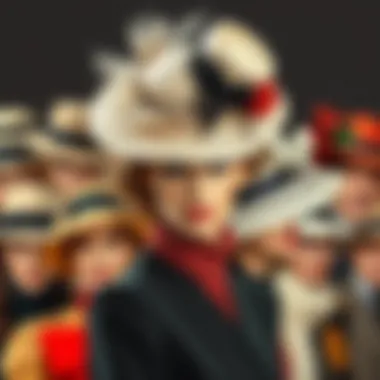
Hats serve as more than just functional headwear; they represent significant aspects of personal and cultural identity. From the flamboyant feathered creations of haute couture to simple wool beanies, hats have a unique capacity to encapsulate individuality while reflecting broader social contexts. The role of hats in identity formation is multifaceted, intertwining personal expression with cultural symbols, which adds layers of meaning and significance to headwear.
Expressing Individuality
The act of wearing a hat can be a profound statement of personal style and individuality. A beret can evoke a sense of artistic passion, while a fedora may express classic sophistication or an affinity for vintage aesthetics. Each hat chosen reflects a part of the wearer's identity, as well as their emotional state on any given day.
- Hats can communicate aspects of personality such as:
- Creative flair: A brightly colored fedora or an oversized floppy hat might suggest creativity and a willingness to stand out in a crowd.
- Professionalism: A well-tailored cap or a stylish bowler may indicate a polished, professional image.
- Rebelliousness: Unconventional styles, like a beanie adorned with pins or patches, can signal a desire to break away from mainstream norms.
Wearing hats also allows individuals to immerse themselves in specific subcultures, aligning with communities that share similar tastes or values. For example, motorcycle enthusiasts might don leather caps, associating themselves with the freedom and camaraderie of biking culture. This illustrates how hats become synonymous with individual narratives that extend far beyond mere fashion choices.
Cultural Identity and Influence
Beyond individual expression, hats are deeply embedded in cultural identity. Various cultures use headgear to signify community membership, social status, and lineage. In many Indigenous cultures, specific hats have sacred significance and are worn during rituals or ceremonies. These hats can symbolize heritage, continuity, and traditions that unify a community.
Different regions across the globe showcase how hats reflect societal values and conditions:
- The sombrero in Mexico: This wide-brimmed hat isn’t just practical for sun protection; it embodies warmth, festivity, and a rich cultural heritage.
- The beehive cap in West Africa: Often worn by women, this cap signifies aesthetic values and encapsulates craft techniques unique to the community.
- The Scottish tam o' shanter: A traditional woolen hat that displays regional identity, often associated with Scottish heritage and celebrations.
Hats can also play a crucial role in social movements, providing a visual representation of ideas and collective identity. The iconic pink pussyhat, worn during women’s marches, transformed a simple knitted piece into a powerful symbol of activism and gender equality. This demonstrates how headwear can act as a canvas for cultural expression and societal commentary.
Hats are a form of identity; they enable others to see us not just as we are, but how we wish to be seen.
For further exploration of the cultural significance of hats in different societies, check out resources at britannica.com and wikipedia.org.
Pairing Hats with Outfits
When it comes to fashion, the synergy between a hat and an outfit goes beyond just aesthetics; it plays a crucial role in expressing personal style and identity. Hats aren’t just an accessory; they can elevate a look, highlight individual tastes, or even make a statement. Understanding how to pair hats with various outfits can enhance not just the wearer’s appearance but also their confidence. This section dives into the elements to consider when blending hats into your wardrobe.
The Art of Coordination
Coordinating a hat with an outfit requires more than just picking a color that matches. Here are several aspects to think about:
- Color Palette: Whether you're going for a muted look or something more vibrant, the colors of the hat should resonate with the clothing. For instance, a deep burgundy hat pairs beautifully with soft pastels, creating a nice visual balance.
- Textures: Fabrics matter. A wool fedora might look phenomenal with a chunky knit sweater in the winter, while a straw boater brings a fresh feel to light cotton dresses in the summer.
- Silhouettes: The shape of a hat should complement the shape of your face and the overall silhouette of your outfit. For example, a wide-brimmed hat can add dimension to a fitted dress, and vice versa.
- Occasion: The setting is equally important. A cocktail party might call for a chic fascinator, while a day out in the park is perfect for a laid-back cap.
Ultimately, coordination is an art that hinges on experimentation. Don’t shy away from trying different combinations until you find what feels right. Each ensemble tells a unique story, and finding harmony between different elements is key to achieving a polished look.
Outfit Ideas for Different Occasions
Choosing the right hat for the occasion can greatly influence your outfit’s success. Here are some thoughtful ideas across various settings:
- Casual Outings: A classic baseball cap can be a great addition to denim jeans and a white t-shirt. Alternatively, a soft beanie can add a touch of chill to a laid-back knit outfit.
- Formal Events: When it comes to weddings or elegant parties, opt for a sophisticated fascinator or an elegant cloche. Pair these with an even-toned dress or a well-fitted suit for a chic and refined look.
- Outdoor Adventures: For a picnic or day at the beach, a wide-brimmed straw hat not only protects you from the sun but also adds a trendy flair. It’s easy to throw over a breezy maxi dress or light shorts.
- Business Settings: Try a structured felt hat paired with a tailored blazer and slim trousers. This creates an air of confidence and professionalism.
- Pair with: Sneakers or casual slip-ons for an effortless vibe.
- Pair with: Heels or formal loafers to ensure your feet match your sophistication.
- Pair with: Sandals or flip-flops for comfort.
- Pair with: Smart boots or polished shoes to seal the deal.
By planning outfits around specific hats, you streamline your style choices and create a cohesive look tailored for each occasion. Remember, every hat carries its own vibe, and finding that perfect match can transform your overall aesthetic.
Accessories That Complement Mr. and Mrs. Hats
When it comes to enhancing an outfit, hats play a pivotal role, yet the right accessories can elevate their impact even further. Accessories that complement Mr. and Mrs. Hats are not merely an afterthought; they serve to create a cohesive look that speaks to individual style and personality. In this section, we will explore how complementary accessories can amplify the essence of hats, emphasizing their importance in the broader context of fashion.
Hats can make or break an ensemble. When paired with thoughtfully chosen accessories, they do more than just frame the face; they tell a story. This becomes especially significant when one seeks to convey particular moods or themes through attire. Furthermore, hats can be seen as a canvas, and the right accessories color that canvas with vibrant detail.
Selection of Complementary Accessories
Choosing accessories that resonates with the style of a hat requires consideration of color, texture, and theme. For example, a classic fedora may look stunning when paired with a simple leather belt and matching shoes, while a whimsical sunhat can be beautifully complemented by delicate jewelry made from natural materials, such as shells or woven fibers. Here are a few elements to consider:
- Color Coordination: The color palette should either be complementary or harmonious. For instance, matching a red lipstick with a red hat can create a striking focal point.
- Texture Matching: A wool hat may pair well with knitted gloves, while a straw hat could be suited for a silk scarf.
- Thematic Accessories: Accessories should reflect the vibe you're aiming for. A vintage hat naturally fits with retro accessories, whereas a contemporary piece can shine with minimalist jewelry.
Layering Styles for Impact
Layering is an art, and this also rings true when accessorizing around hats. Not only does layering create a visual impact, but it also offers practical benefits depending on the occasion. Here are various insights into how layering styles can provide that wow factor:
- Scarves: A lightweight scarf can be draped around the neck or tied to the brim of a hat for a breezy feel. In colder seasons, heavier scarves can add warmth and style simultaneously.
- Earrings and Necklaces: Pairing bold earrings with a wide-brimmed hat can take the outfit from ordinary to eye-catching. A long necklace can help elongate the look, especially if it follows the lines of a taller hat.
- Belts and Handbags: Incorporating belts that match or contrast with the hat can form a polished ensemble, while a chic handbag becomes a functional statement piece that ties the look together.
"Accessories are like the finishing touch of an outfit— they can make a distinct difference in the overall ambiance of one's style."
Navigating Hat Etiquette
Navigating hat etiquette is no trivial matter; it's akin to mastering the fine art of social interaction within the realm of fashion. Hats have long served as notable statements of identity and status, and understanding how to wear them appropriately can elevate one’s presence. Whether attending a formal event or just enjoying a day out in the town, knowing the do's and don'ts of donning headgear can spell the difference between making a fashion splash or appearing misguided.
Do’s and Don’ts of Wearing Hats
There are guiding principles when it comes to wearing hats, and adhering to these can show respect for the occasion and yourself. Here are some essential do's and don'ts:
Do’s
- Choose the right hat for the occasion: A bowler hat may not fit a beach outing, just as a wide-brimmed sun hat might seem too laid-back for a formal gala. Matching the hat to the event underscores your personal style without disregarding the setting.
- Tip your hat to greet: This gesture, although somewhat old-fashioned, conveys respect and charm. A slight tilt can signal politeness, especially in social gatherings.
- Wear it with confidence: Owning your look is crucial. A hat can be a bold statement. The key is to wear it as if it were an extension of yourself.
Don’ts
- Avoid wearing a hat indoors in some cultures: In many traditional settings, it’s considered disrespectful to keep a hat on indoors. This varies by context, so a little local knowledge goes a long way.
- Don’t overshadow others: If you’re attending an event with a friend or companion, it’s vital to consider how your hat might affect their visibility. A tall hat at a concert, for instance, can block someone’s view behind you.
- Refrain from pairing a hat with overly casual attire at formal events: A baseball cap worn with a tuxedo can come off as disjointed, confusing effortlessness with sloppiness. Don't mix messages.
Cultural Considerations
Cultural norms play a pivotal role in hat etiquette. Different countries and local customs can dictate how and when hats should be worn. Understanding these nuances can ensure you fit in rather than standout awkwardly.
- In the United Kingdom, for example, wearing a hat at weddings is often expected, and guests may choose elaborate designs to make a statement. Conversely, in some Eastern cultures, covering the head is linked to modesty and respect, particularly in places of worship.
- Attending an event in Japan showcases a different dimension, where hats are less prevalent among men in formal settings but are commonplace among women during summer festivals, reflecting style and individuality.
Adapting to these cultural expectations not only shows respect for tradition but can also enhance your social experience. By navigating through these varied customs with the right hat choices, one can smoothly blend into diverse settings while retaining a sense of personal style.
"The right hat doesn’t just complete an outfit; it symbolizes respect for customs while expressing individuality."
In summary, navigating hat etiquette is about understanding the occasion and the cultural context. It’s not merely about the hats themselves; it’s about the message they send across varied social landscapes. After all, there’s a whole world resting on a person’s head, and it’s worth taking the time to do it right.
Hats in Pop Culture
The influence of hats extends far beyond their practical function or aesthetic appeal; they have made indelible marks on popular culture across films, television, and literature. In this section, we will dissect the relevance of hats within these cultural realms, highlighting their symbolism and the effect they have on public perception. Hats have the power to convey character, elevate fashion statements, and even reflect societal changes. Their presence in media not only enriches visual storytelling but also shapes trends and identity across demographics.
Notable Film and Television Appearances
Throughout the decades, hats have played pivotal roles in numerous films and television shows, often contributing to a character's identity or underscoring a thematic element. For instance, in the classic film "Casablanca," Humphrey Bogart's fedora is not just an accessory but a symbol of wartime resilience and sophistication. The hat elevates Bogart’s character, linking him to the era's style while enhancing the mood of intrigue and romance.
Another example is Audrey Hepburn’s iconic wide-brimmed hat in "Breakfast at Tiffany's." This hat signifies elegance and femininity, blending seamlessly with the high-society world her character navigates. It has inspired countless imitations and remains a hallmark of chic fashion.
Moreover, modern shows like "The Crown" illustrate the function of hats in portraying historical accuracy while serving character development. The hats worn by Claire Foy as Queen Elizabeth II help define her position in the monarchy while reflecting her personal journey through turbulent times.
Hats in cinema often signify more than just style; they encapsulate narratives and mirror the emotional state of characters, transforming simple embellishments into cultural icons.
Literary References to Hats
In literature, hats surface as potent symbols and narrative devices. They often represent class, status, or identity. For instance, in F. Scott Fitzgerald's "The Great Gatsby," the character Jay Gatsby is frequently depicted in a stylish fedora, which signifies both his wealth and his aspirations to climb the social ladder. Here, the hat is a physical manifestation of Gatsby's ambition and a critical element of his identity.
Similarly, Lewis Carroll’s Mad Hatter from "Alice’s Adventures in Wonderland" introduces a more whimsical yet insightful portrayal. The hat serves as a metaphor for madness and creativity, reflecting the unpredictability of the world Alice finds herself in.
Hats also feature heavily in children’s literature, such as in the beloved classic "The Cat in the Hat" by Dr. Seuss. The Cat’s whimsical hat represents fun and chaos, challenging norms while inviting readers into a world of possibility. This demonstrates how hats provide relatable themes that resonate with audiences of all ages.
In summary, hats encapsulate cultural narratives, symbolism, and individuality across film, television, and literature. They transcend their mere physical presence, becoming reflections of societal values and personal identity. As we explore their history and craftsmanship further, we recognize that the humble hat is not just an accessory but a potent communicator in the realm of popular culture.
The Future of Hat Fashion
The realm of hats is evolving at a pace that mirrors the shifting sands of fashion itself. The future of hat fashion is not just a continuation of past trends—it’s a reinvention that blends innovation with deep-rooted tradition. As stylists and designers look ahead, they must consider not only how hats fulfill aesthetic purposes but also how they resonate culturally and personally with consumers. Understanding this forward trajectory is vital to crafting headpieces that reflect contemporary values and preferences.
Emerging Trends and Innovations
In the current fashion landscape, several emerging trends signal a shift in hat design. For one, hats are increasingly becoming a canvas for personal expression rather than merely an accessory. People are drawn to unique designs that tell their own story or signify their affiliations. Some notable trends include:
- Sustainability: Many designers are prioritizing eco-friendly materials, reflecting a growing consumer demand for responsible fashion. Hats made from recycled fabrics or organic fibers are becoming staples.
- Customization: With advancements in technology, personalized hats are on the rise. Customers enjoy the ability to add custom patches, colors, and even personal messages.
- Gender Fluidity: As societal norms about gender continue to shift, hats that transcend traditional gender lines are gaining popularity. Unisex designs that cater to a broader range of identities are taking center stage.
- Digital Integration: Hats equipped with smart technology, such as built-in headphones or UV monitoring systems, are entering the market. This innovation caters to a tech-savvy audience looking for functional yet fashionable solutions.
These trends underscore a broader movement towards individuality and responsibility in fashion, signaling a future where hats are more than just protective headwear—they are integral to personal and cultural identity.
The Role of Technology in Hat Design
Technology’s impact on hat design cannot be overstated. Advancements in manufacturing and customization have paved the way for unprecedented innovations. One of the most significant shifts is the use of 3D printing. This technique allows for:
- Rapid prototyping: Designers can create prototypes on demand, reducing waste and time during the design process. This agility helps cater to rapidly changing fashion preferences.
- Complex shapes: 3D printing allows for more intricate designs that traditional manufacturing methods just can’t achieve. This opens the door for experimental forms that attract the avant-garde wearer.
Moreover, software tools that simulate materials and designs have revolutionized the design stage. Designers can visualize how a hat will look, interact with various outfits, and even adjust textures before a single piece is ever produced. This not only enhances creativity but also ensures a more refined product.
As we push further into the age of technology, it is clear that hats will flourish in ways that marry artistry with innovation, speaking to both the heart and the mind of the wearer.
In essence, the future of hats isn’t just about covering heads; it’s about showcasing identities, aligning with values, and embracing the fusion of creative and technological possibilities.
While traditional craftsmanship will always hold its place, the striking innovations and trends on the horizon promise to ensure that hats remain a relevant and exciting sector within fashion, providing ample material for exploration and inspiration.
The End: The Enduring Appeal of Hats
Hats have always played a significant role in human culture and fashion. Their appeal transcends generations, regions, and social classes, which speaks volumes about their lasting impact. In a world where trends often change overnight, the hat remains a constant; a stylish accessory that has withstood the test of time.
One might ask, what makes hats so special? For one, hats are not just head coverings; they are a form of self-expression. People use hats to convey their personalities, moods, and even social status. Whether it’s a sleek fedora worn to a business meeting or a flamboyant sunhat for a garden party, hats reveal much about the wearer's identity. Class, tradition, and fashion come together to create something unique—it’s a little piece of art that can be crafted to reflect personal narratives.
Moreover, the craftsmanship behind hats showcases a blend of artistry and functionality. Artisans skilled in millinery employ various techniques and materials that have been passed down through generations. This dedication to craft ensures that each hat is not only designed to look good but also built to last. The thought that goes into the design process adds to the allure of these items. One can’t help but appreciate the meticulous work that goes into each stitch, brim, and embellishment.
"A well-chosen hat can turn an ordinary outfit into something exceptional."
The environmental aspects of hats have also become a topic of discussion in recent years. As more fashion enthusiasts lean towards sustainability, many brands are adopting eco-friendly materials and practices. Hats made from recycled materials or natural fibers not only appeal to the environmentally conscious shopper but also help in supporting the planet.
Culturally, hats have the power to bring communities together. From the traditional sombrero in Mexico to the elegant fascinator seen at British social gatherings, each style carries its own significance. This diversity renders hats as a significant element within various societies, enabling conversations around cultural heritage and modern adaptations.
References and Suggested Readings
For those who are keen on exploring the intricate world of Mr. and Mrs. Hats, the segment on references and suggested readings holds immense importance. This section is not just a mere list; it serves as a gateway to deeper knowledge, offering resources that enrich understanding and expand perspectives. The suggested materials can provide valuable insights into various facets of hat fashion, from historical contexts to contemporary design innovations.
Why References Matter
Diving into references enriches the narrative of hats with historical, cultural, and practical perspectives. Here’s how they benefit readers:
- Foundation of Knowledge: They establish a historical framework. Recognizing how hats evolved shapes the understanding of today’s styles and traditions.
- Cultural Context: Resources can provide indispensable insights into the societal functions of hats across different cultures—think of how a top hat in Victorian England contrasted with a traditional sombrero in Mexico.
- Design Insights: Many books or articles discuss the craftsmanship behind hat-making. They illuminate techniques and materials that create these timeless accessories, shedding light on artistry that often goes unnoticed.
- Trends and Industry Dynamics: References can also cover recent shifts in fashion, detailing the influence of social media and celebrity endorsements. They reveal how current trends form a tapestry woven from history, culture, and personal expression.
Key Resources to Explore
- Books:
- Academic Journals:
- Web Resources:
- Hats: A History of Fashion by Philip Treacy – This book offers an exquisite look at how headwear has shaped fashion over centuries.
- The History of Hats by Anna Johnson – Discusses the evolution of hats and their fluctuating roles in society.
- Journal of Fashion Technology & Textile Engineering – Offers scholarly articles on fashion trends and textile choices in hat-making.
- Fashion and Textiles: an International Journal – Explores craftsmanship in fashion, including hat design.
- en.wikipedia.org/wiki/Hat – A comprehensive overview of the definitions, types, and benefits of hats across cultures.
- britannica.com/topic/hats – Outlines significant historical and cultural meanings associated with hats.
- reddit.com/r/Fashion – Engaging discussions and threads providing insights into contemporary hat fashions and styles.
"The world of hats isn’t just about fashion; it's a reflection of culture and identity, where every crease and color tells a story."
Ending
By delving into these recommended references, readers can embark on a journey that transcends the surface of fashion. They uncover stories of craftsmanship, understand diverse cultural significances, and engage with evolving trends. Ultimately, this exploration invites each individual to find personal meaning in the hats they wear, making it a lasting endeavor in the realm of their personal and stylistic identity.