Exploring the Versatility and Charm of Thick Shawls
Intro
The thick shawl stands as a testament to the rich tapestry of human culture and fashion. From its humble origins in ancient traditions to its place in contemporary wardrobes, it embodies a unique blend of practicality and style. Worn in various forms across the globe, these shawls provide not just warmth but also a statement on individuality and artistry. In a rapidly changing fashion landscape, understanding the depth of its appeal invites critical exploration.
Fashion Insights
Current Trends in Clothing
The thick shawl has firmly established its ground in contemporary fashion trends. It is not merely about a fabric wrapped around the shoulders; it reflects a lifestyle choice. Designers today emphasize versatility, adopting elements from traditional weaves while blending them into modern silhouettes. The thick shawls now come in countless textures—including wool, cashmere, and blends—that are tailored to fit every season, ensuring they can be draped over casual as well as formal attire.
Influencers are increasingly seen sporting these garments, showcasing how a thick shawl can transition seamlessly from a crisp winter day to a breezy autumn evening. The layering technique, often used, allows one to express personal style while remaining practical.
Iconic Fashion Moments
Notably, thick shawls have adorned numerous fashion icons over time. They have been seen gracing the shoulders of celebrated figures like Audrey Hepburn, who famously wore a classic cashmere shawl in "Breakfast at Tiffany's," emphasizing the shawl's ability to elevate an outfit instantly. Another noteworthy appearance was during the runway collections by renowned designers like Gucci, where shawls were used as statement pieces, capturing attention and igniting trends.
"A thick shawl not only provides comfort but also narrates a story of elegance and sophistication."
Practical Style Tips
Building a Versatile Wardrobe
In developing a wardrobe centered around the thick shawl, one must embrace its versatility. Here are several tips:
- Color Palette: Start with neutral shades like beige, gray, or black. These colors blend nicely with various outfits and create a cohesive look.
- Layers: Pair shawls with fitted jackets or oversized sweaters. The juxtaposition offers a chic layering system while keeping comfort in mind.
- Fabric Choice: Investing in a few high-quality shawls made from sustainable materials can elevate your wardrobe. Organic cotton, fair-trade wool, and recycled fibers are excellent choices.
Sustainable Fashion Choices
The global shift towards sustainability in fashion has made the thick shawl a symbol of eco-conscious style. Consumers are more aware of sourcing and ethical production processes. Here are a few key considerations:
- Material: Look for shawls made from responsibly sourced fibers. Brands focusing on sustainable practices often incorporate recycled content.
- Longevity: Investing in durable pieces is crucial. Shawls can last for generations if well cared for, which promotes a less wasteful cycle in fashion.
- Local Artisans: Supporting local artisans not only gives a unique touch to your collection but also strengthens community economies, promoting sustainable livelihoods.
In sum, the thick shawl serves as more than a mere accessory. It showcases the evolution of individual expression in fashion while addressing critical needs for sustainability. This piece of attire has much to tell—about culture, history, and the continuing journey of fashion itself.
For additional insights, you might want to explore resources like Wikipedia, Britannica, or discussions on sustainable fashion practices at Reddit.
Foreword to the Thick Shawl
The thick shawl is not just a piece of fabric wrapped around the shoulders; it carries a rich history and a profound significance that transcends mere fashion. In today’s fast-paced world, where trends come and go quicker than you can say "stylish," the thick shawl stands out as a timeless accessory. From cozying up during chilly evenings to elevating an outfit with sophistication, its utility and versatility are unmatched.
Why is the thick shawl important? Well, for starters, it can transform your look without much effort. Whether draped casually or wrapped snugly, a thick shawl can add an element of texture and warmth that is hard to beat. The varying styles and materials available mean that there’s a shawl for every occasion, be it a formal gathering, a casual brunch, or an evening stroll.
In terms of practicality, the thick shawl serves as a perfect layering piece. It eases the transition between seasons, especially when the weather can't quite make up its mind. One day it’s crisp autumn air, and the next, the evening chill bites you. A thick shawl can be the answer, allowing you to embrace the outdoors without sacrificing style or comfort.
The appeal doesn’t stop at aesthetics; it also weaves in elements of sustainability. In a world increasingly aware of its environmental footprint, many brands are now focusing on ethical sourcing of materials and supporting artisanal craftsmanship. Choosing a thick shawl from such sources becomes an act of conscious consumerism. Little by little, your fashion choices can reflect your values.
"A shawl is like a hug—warm, enveloping, and always there when you need a touch of comfort."
Embracing the thick shawl opens up a treasure trove of styling possibilities, making it a must-have for stylists, fashion bloggers, and designers alike. Its cultural contexts, as well as its evolving roles in modern fashion, beg deeper exploration. Simply stated, the thick shawl isn't just a garment; it’s a statement, rich with stories and potential, waiting for each individual to personalize it.
The journey to understanding the multifaceted nature of the thick shawl begins here, unraveling its intricate layers of history, material, and contemporary flair. So grab a cup of tea, and let’s dive into this comforting world of fabric and warmth.
Historical Context of Shawls
Understanding the historical context of shawls is essential for appreciating their multifaceted appeal. This context not only sheds light on the shawl's journey through time but also reveals how it has been shaped by various cultural influences, materials, and societal needs.
Early Uses of Shawls
The thick shawl has roots that stretch deep into the fabric of history. Initially, these garments served a purely functional purpose. The early uses of shawls transcended the boundaries of mere clothing—they were practical items meant protect individuals from the elements. Nomadic tribes utilized thick shawls as practical wraps for warmth and shelter during their travels, a true testament to the enduring human need for adaptability in the face of nature's whims. As societies evolved, these pieces transitioned from utility to a symbol of status and fashion, influenced by the aesthetics of the times.
While waterproof materials were yet to be developed, a simple woolen shawl could provide necessary warmth against cold winds or the chill of nighttime. Historians often refer to this evolution as the beginning of the shawl's journey from basic necessity to a central fashion statement.
Cultural Significance Across Regions
The shawl's importance cannot be overstated; it is a cross-cultural symbol. Various regions have incorporated shawls into their traditions, each adding unique characteristics that contribute to the overall narrative of this garment.
European Influence
In Europe, especially during the Renaissance, shawls became highly fashionable. Wool, silk, and, later, cashmere blended to create luxurious fabrics that adorned both men and women. One of the key aspects of European influence is how it elevated the shawl to an object of desire. Fine craftsmanship became essential—embroidery, lace, and intricate patterns defined this era's shawl aesthetics. The shawl was no longer merely an accessory; it was an extension of one's wealth and social standing.
An outstanding feature of European shawls was the artistry woven into their designs, with floral motifs and baroque influences. However, with this refinement came challenges; working with delicate fabrics required skilled hands. The benefits of style were sometimes offset by limitations on practicality, as more ornate shawls often became unsuitable for everyday use.
Asian Traditions
In contrast, Asian shawls convey not just fashion but also cultural significance. Originating from the likes of Kashmir, shawls made of pashmina symbolize timeless elegance. The brilliance of Asian traditions lies in their ability to merge artistry with functionality. For example, the intricate weaving techniques passed down through generations ensure these shawls are not only beautiful but also incredibly warm.
A prominent characteristic is the use of intricate motifs, often depicting regional flora and fauna. This craftsmanship enhances their cultural worth, making them sought after items. However, one must also be wary of replicas flooding the market, which can diminish the unique identity these shawls showcase in the realm of fashion.
Middle Eastern Heritage
Middle Eastern shawls, such as the tradition of the keffiyeh, reflect a rich tapestry of history and identity. Here, the shawl transcends its physical form, woven with stories of resilience and freedom. One unique feature is the iconic checkered pattern, which is not merely aesthetic but also rooted in cultural symbolism.
The practical utility of shawls in arid climates—offering protection from sun or sand—enhances their appeal. This aspect makes them a favorable choice in the context of this article, as they provide both style and shelter from the harsh elements. The challenge lies in adapting their inherent cultural significance to contemporary fashion without losing their essence.
With these varied influences, the thick shawl's rich heritage enriches our understanding of its place in fashion today. As we analyze these cultural nuances, one can appreciate the deep-seated traditions that continue to shape how shawls are perceived and styled in modern contexts. For those keen to delve deeper into the influence of shawls across regions, resources such as Wikipedia and Britannica can provide further context.
Materials and Textiles Used
When considering the thick shawl, the choice of material and textile cannot be overstated. It's not just about warmth or style; the fabric fundamentally influences the shawl’s drape, durability, and overall comfort. This section explores the various materials used in crafting these fashionable staples, focusing on the two primary categories: natural fibers and synthetic alternatives, followed by insights on how to choose the right fabric for the desired look and feel.
Natural Fibers: Wool and Cashmere
Wool and cashmere represent the quintessential natural fibers used in high-quality shawls. Wool is revered for its resilience and warmth, making it a popular choice for winter wear. Originating from sheep, wool maintains its insulating properties even when wet, keeping you cozy in harsh weather conditions. Furthermore, it naturally wicks moisture away from the skin, allowing for breathability. This means that, even if you're running about town, you’re likely to stay at a comfortable temperature.
On the other hand, cashmere is often seen as the luxury option in the shawl world. Sourced from the undercoat of cashmere goats, this material boasts an incredibly soft texture that drapes elegantly. The lightness of cashmere provides warmth without bulk, making it suitable for layering. When considering a cashmere shawl, however, remember that it’s essential to check for quality. The best cashmere originates from the Himalayan regions, known for producing the finest fibers.
Synthetic Alternatives
In recent years, synthetic alternatives have gained traction in the fashion world. Fabrics such as acrylic, polyester, or modal deliver unique advantages, particularly regarding cost and maintenance. Acrylic, often used as a wool substitute, offers similar warmth and is resistant to moths. It's generally easier to clean and can be produced in a range of colors and patterns, allowing for more versatility in style.
Modal, on the other hand, is derived from beech tree pulp and is known for its silky finish. Shawls made from modal maintain a smooth texture, draping beautifully while being lightweight and cool, perfect for the transitional months. However, keep in mind that synthetic fibers might not breathe as well as their natural counterparts, which could lead to discomfort in very warm conditions.
Choosing the Right Fabric
When selecting a fabric for your thick shawl, several factors come into play, each affecting its suitability for different occasions. Consider the following elements:
- Purpose: Are you wearing the shawl for casual outings or formal events? For casual settings, soft acrylic may suffice. For formal occasions, opt for luxurious cashmere or fine wool.
- Climate: If you live in cooler climates, select thicker wool options. In contrast, regions with milder weather might benefit from lightweight cashmere or modal.
- Care Requirements: Natural fibers may require special care, such as dry cleaning, while synthetic materials are often machine washable, making them more practical for daily wear.
- Personal Preference: Ultimately, the feel and aesthetic of the fabric come down to personal taste. Some appreciate the warmth of wool, while others prefer the softness of cashmere or the versatility of synthetic blends.
"Choosing the right fabric is like finding the right partner; it needs to fit seamlessly into your life and enhance your experience."
By taking these considerations into account, you can ensure that your thick shawl not only complements your style but also provides the desired comfort and practicality. Knowing the strengths and weaknesses of each material can empower you to make informed choices, resulting in a shawl that suits your lifestyle and keeps you looking chic.
Styling the Thick Shawl
Styling the thick shawl is not just a matter of aesthetics; it embodies a blend of tradition and trend. This versatile accessory can elevate an outfit by adding warmth, texture, and a touch of elegance. Knowing how to style it properly enhances not only visual appeal but also comfort and functionality. It acts as a canvas upon which individuals can express their personality, making it a staple in any wardrobe.
Layering Techniques
Layering adds depth to any outfit, and the thick shawl is an excellent tool for achieving that. The art of layering truly shines through when you think about what’s underneath or over the shawl, bringing both warmth and style to the forefront.
Undercoats
Choosing the right undercoat is vital for making the shawl pop. A fitted turtleneck or a sleek blouse can create a wonderful contrast against the bulk of a thick shawl. The key characteristic of undercoats lies in their ability to prioritize comfort while complementing the shawl's weight.
Investing in textiles such as cotton or silk for your undercoat offers breathability, which balances the warmth of the shawl. A unique feature of undercoats is their versatility; for instance, a bold printed top can enliven a simple shawl, whereas a classic white shirt promotes timeless sophistication.
However, it’s critical to consider the color palette as well. The advantage of a solid color undercoat is that it draws the eye upwards to the shawl, allowing it to take center stage. But folks must watch out with patterns, as clashing prints could detract from the overall ensemble.
Overcoats
Overcoats provide another layer of complexity to your styling game. A tailored coat or a casual leather jacket works beautifully with a thick shawl, adding a finishing touch while also packing in extra warmth. The main attribute of overcoats is their structure, which adds a sharp contrast to the soft folds of the shawl.
When you sport a long trench over a heavy shawl, the play on length creates a flattering silhouette. This technique allows freedom of movement while ensuring practicality. The unique aspect of an overcoat is that it often changes the vibe of the outfit completely—think cozy chic versus polished elegance.
However, layering too many fabrics can risk feeling bulky. One clear advantage of an overcoat is that it can be chosen to either blend in or stand out against the shawl, depending upon the occasion.
Casual Versus Formal Looks
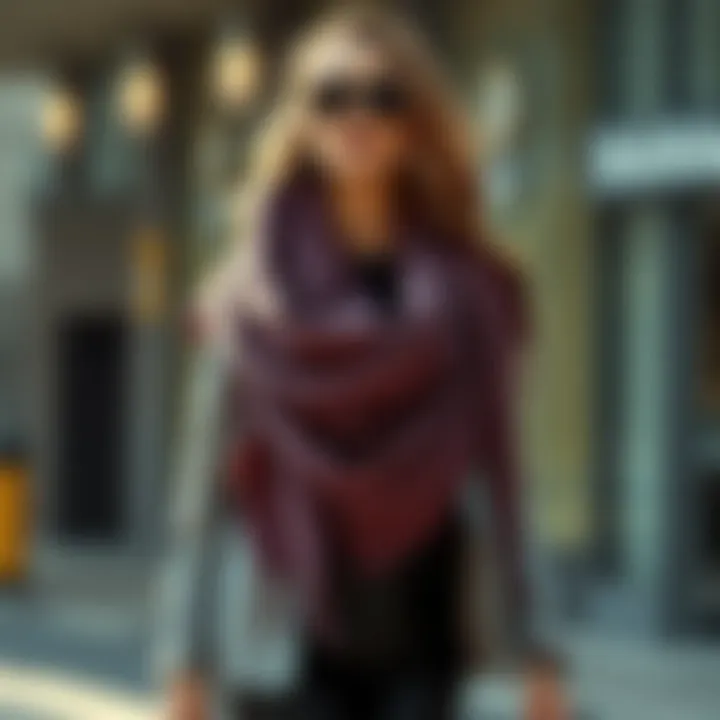
Finding the line between casual and formal can be tricky. The thick shawl is remarkably adaptable. For a casual look, draping the shawl over your shoulders while sporting denim and a relaxed shirt sets a laid-back tone. Conversely, for a formal setting, wrapping the shawl with a structured dress instantly enhances sophistication. The duality of this accessory makes it a breezy transition piece.
Accessorizing with a Shawl
Accessorizing can make or break any look, and it’s no different when you’re styling a thick shawl. Thoughtful choices in jewelry, bags, and footwear can complement the shawl, further highlighting its beauty.
Jewelry Choices
When it comes to jewelry, simplicity often reigns supreme. Opting for understated pieces can enhance the elegance of the shawl without overwhelming it. For example, a pair of small hoop earrings or a delicate pendant can draw attention without competing for attention. The benefit of thoughtful jewelry choices is they allow the shawl to shine while adding just the right amount of sparkle. The unique feature of jewelry, however, is its ability to express individuality. A bold statement necklace can breathe new life into a monochromatic outfit with a shawl, but be wary that it doesn't create visual chaos.
Bags and Footwear
Bags and footwear can elevate the thick shawl's presence, influencing the style direction of one’s outfit. A structured handbag or chic ankle boots can contribute to a more polished appearance, making the shawl appear more sophisticated. On the other hand, opting for a slouchy bag or casual loafers lends to a relaxed vibe. The right bag often provides functionality, while the right footwear can either dress up or dress down the ensemble, allowing for a seamless transition from day to night. The unique aspect seen here is flexibility; varying styles cater to different occasions and personal preferences.
To summarize, by mastering the art of styling the thick shawl, you unlock a world of fashion possibilities—from cozy chic to elevated elegance. Understanding layering techniques, distinguishing between casual and formal options, and accessorizing smartly will not only make the shawl a focal point of your outfit but also an essential part of your daily look.
The Thick Shawl in Seasonal Fashion
The thick shawl finds its place as a versatile and essential item in every fashion-forward individual’s wardrobe, especially as seasons change. This article section dives into why the thick shawl plays a prominent role across different times of the year. Emphasizing its ability to provide warmth, comfort, and style, this garment is not just a mere accessory—it’s a statement piece that links heritage and modern fashion. This adaptability is what makes the thick shawl a vital player in seasonal wardrobes.
Winter Wear Essentials
When the chill hits, the thick shawl comes to the rescue like a trusty friend. It serves as a primary layer to wrap around oneself when the temperature plummets. In colder months, shawls crafted from luxurious wool or cashmere are particularly coveted. These materials not only provide warmth but also contribute an aura of elegance.
Here’s why winter is the shawl's time to shine:
- Functionality: The thickness of the shawl allows it to hold heat efficiently, making it perfect for those freezing days.
- Versatility: It can be worn in various ways—draped over your shoulders or wrapped tightly around your body, providing both comfort and style.
- Style Statement: Thick, patterned shawls can elevate even the simplest outfits, turning a plain ensemble into something stylish and chic. Popular patterns include tartan and tribal prints, which evoke a sense of tradition and warmth.
Transitional Pieces for Autumn
As leaves turn, so does our wardrobe. Autumn is all about transitions, and the thick shawl fits this theme perfectly. It's an ideal layering option to navigate the fluctuating temperatures typical of this season. When paired with lighter jackets or cozy sweaters, the shawl adds a beautiful touch.
Some of the key aspects to consider during autumn include:
- Color Palette: Warm tones like burnt orange, deep reds, and mustard yellows are popular in shawls during this season, reflecting the natural changes in the environment.
- Layering Capability: Shawls made from lighter blends of cashmere or wool are perfect for those brisk autumn evenings. They can be easily packed away in a bag for when the weather warms up slightly during the day.
- Styles to Try: Shawls can be draped over collared shirts or paired with scarves for an extra flair, allowing one to mix and match various pieces while keeping warm.
Lightweight Options for Spring and Summer
When the air starts to warm up but there's still a hint of crispness, lightweight shawls come into play. These shawls, often made from breathable materials like cotton or light linens, act as stylish companions for spring and summer outings. They can provide just the right amount of coverage when the sun dips during the evening.
Why consider these options during warmer months:
- Breathability: Lightweight fabrics allow for airflow, keeping you cool while still looking chic.
- Easy to Carry: They can be folded to fit seamlessly in a handbag, providing a fashionable solution for unpredictable weather.
- Styling Diversity: Opt for floral prints or soft pastel shades to embrace the vibe of spring. Shawls can be worn over sundresses or paired with casual outfits, adding an effortless chic touch.
Epilogue
"A shawl is not merely an accessory; it is a manifestation of adaptability and timelessness in the ever-evolving world of fashion."
For further reading, check out resources like Wikipedia and Britannica for historical context and fabric types.
Cultural Adaptations of the Shawl
The thick shawl makes quite an impression across the globe, not just as a piece of clothing but as a cultural artifact. Its diverse forms show how different societies have adapted this garment to express their identity, traditions, and lifestyle. In this section, we’ll uncover how various regions have reinterpreted the shawl, influencing styles that resonate with cultural narratives. The ways in which people use and associate shawls with traditions reflect deeper meanings, showcasing significant social norms, celebrations, and everyday wear.
Regional Variations
South Asian Dupattas
One cannot talk about shawls without mentioning the dupattas prominent in South Asian fashion. These flowing, long pieces of fabric have become an essential element in women's attire, often worn with suits, lehengas, and other traditional outfits. The dupatta serves multiple purposes, not only as a style statement but also as a means of modesty that connects history with contemporary fashion. Its lightweight nature makes it easy to carry, while its intricate embellishments signify craftsmanship and heritage.
The beauty of dupattas lies in their myriad of styles and materials, from light cotton for summer to rich silk for weddings. The opulence of a chiffon dupatta adorned with sequins can elevate an outfit dramatically, while a simple cotton piece provides comfort during the warmer months. This flexibility is a major reason why they remain a popular choice, bridging ancient customs with modern sensibilities.
The unique feature of dupattas is that they adapt to the occasion—whether it's a festival or a casual outing, they can transition effortlessly. However, the challenge arises in the maintenance of such delicate fabrics, which often require careful handling to preserve their beauty.
Mexican Rebozos
In Mexico, the rebozo is not merely a shawl; it holds a significant place in cultural history. Primarily a long piece of handwoven fabric, the rebozo has served as a wrap, baby carrier, and even a head covering. Its rustic charm comes from the natural fibers often used in its creation, which vary significantly in texture and color depending on the region.
What makes the rebozo stand out is its versatility. A woman can use it for warmth on a chilly evening or as a swaddling cloth for her newborn. This practicality has made it a beloved garment that speaks to both form and function. Additionally, the intricate patterns and styles differ from region to region, such as the Huichol and Oaxacan variations, each telling a story of its own.
One of the drawbacks of rebozos is that their intricate designs may not always be suitable for all occasions. While some can be dressed up for formal events, others are better suited for casual outings. Despite this, their role in representing Mexican identity makes them a cherished garment.
Modern Interpretations in Fashion
As we advance into the era of modern fashion, the thick shawl continues to evolve. Designers have begun using traditional patterns and techniques to create contemporary pieces that resonate with today’s audiences. Labels such as Massimo Dutti and Free People have embraced the thick shawl’s elasticity in style by integrating it into urban chic.
The fusion of modern fabric technology with age-old artistry opens up many possibilities:
- Color Blocking: Bold color choices break the conventional monotony, appealing to a youthful demographic.
- Sustainable Materials: Eco-conscious designers are now using organic fibers, making shawls that align with environmentally friendly practices.
- Cross-Cultural Inspirations: Fashionistas enjoy mixing styles from different cultures, leading to innovative layering techniques that marry fabrics like cashmere with vibrant rebozo patterns.
These adaptations highlight how the shawl transcends mere utility, evolving into a canvas for cultural expression and modern aesthetics.
Sustainable Practices in Shawl Production
The production of thick shawls is not just about aesthetics or comfort; it's deeply interwoven with environmental considerations. As the wardrobe staple is somewhat of a cultural artifact, the sustainability of its production has come to the forefront of both consumer choice and manufacturing practices. Fostering eco-conscious habits in this garment's creation not only supports the environment but also enhances the quality and longevity of the shawls themselves. As we navigate through the intricacies of sustainable practices in shawl production, we outline several key aspects that underline its importance.
Ethical Sourcing of Materials
When it comes to the sustainability of shawls, the origins of the materials used are paramount. Ethical sourcing means that the fibers are obtained in a manner that takes into account the welfare of both the environment and the people involved in the process. For instance, brands that focus on natural fibers like wool and cashmere often pair with farms that prioritize animal welfare, ensuring that their practices don’t contribute to environmental degradation or cruelty. In turn, this commitment fosters a relationship of trust between consumers and producers.
Here are a few important considerations regarding ethical sourcing:
- Animal Welfare: Ensure that fibers are produced respecting the natural behavior of the animals. Practices like mulesing in sheep farming should be avoided.
- Environmental Impact: Opt for materials that have low impact on biodiversity and ecosystems. For example, organic cotton reduces the need for harmful pesticides and promotes healthy soil.
- Transparency in Supply Chain: Brands that openly share their sourcing and production processes tend to resonate more with conscious consumers.
Such ethical approaches not only contribute to a better planet but also elevates the shawl’s appeal. Buyers are increasingly gravitating toward pieces that have a story and a conscience behind them.
Support for Artisanal Crafts
The revival and support of artisanal crafts in shawl production cannot be overstressed. When consumers choose shawls crafted by local artisans, they are not just purchasing a beautiful piece of fabric; they are actively supporting traditions and communities that have existed for generations. Such practices often embrace ancient techniques and skills passed down through families, thus ensuring their survival.
The embrace of artisan-made shawls brings along multiple advantages:
- Cultural Preservation: Crafts that are steeped in cultural significance contribute to the maintenance of cultural identities.
- Economic Empowerment: Buying directly from artisans boosts local economies, allowing them to thrive in a global market that favors mass production.
- Unique Pieces: Every artisan has their unique style. This translates into shawls that boast uniqueness and individuality, unlike the often uniform, machine-made counterparts.
Supporting artisanal crafts not only enriches your wardrobe but also ensures that age-old traditions continue to flourish.
In a world that is increasingly leaning towards mass production, choosing artisanal products represents a stand, a statement that quality, sustainability, and culture matter. Thus, the future of shawl production shines brighter when we nurture these sustainable practices, fostering a connection that transcends commerce and celebrates craftsmanship.
The Future of the Thick Shawl
As we look toward future fashion landscapes, the thick shawl is poised to undergo significant transformations. This transition is not just a mere whim but a response to evolving consumer preferences and global trends. The importance of exploring the future of the thick shawl lies in its multifaceted nature—its function oscillates between comfort, aesthetic appeal, and cultural significance.
Emerging Trends
The landscape of fashion is ever-changing, and the thick shawl is no exception. Several emerging trends are shaping its future:
- Sustainability: Modern consumers are becoming increasingly conscious about sustainability. Shawls made from eco-friendly materials are gaining traction. Organic cotton and ethically sourced wool are rapidly taking the forefront. Buyers want to wrap themselves in fabrics that are not only warm but also guilt-free.
- Customization: Personalization in fashion is a growing trend. More consumers crave individuality in their wearables, prompting many brands to offer customizable thick shawls. From selecting colors to embroidering names, customers are keen to wear something that speaks to their personality.
- Integrated Technology: Smart textiles are also making waves. Imagine a thick shawl that adjusts its temperature based on your body heat or provides monitoring for health metrics. As technology advances, the integration into shawls opens up a completely new realm of possibilities.
Each of these trends offers factors that appeal to today's consumers, marking a shift towards more conscious, customized, and tech-savvy choices.
Technological Innovations in Fabrication
Innovation in fabric technology is revamping the production of thick shawls. Various advancements are noteworthy:
- 3D Knitting: This technique allows for intricately designed shawls that can be made to measure in a more sustainable way. By using this approach, manufacturers can minimize waste while producing beautifully crafted pieces tailored exactly to the wearer’s specifications.
- Recycled Materials: Brands are increasingly exploring recycled fibers to produce shawls. These materials, often sourced from post-consumer waste, are being transformed into luxurious fabrics while keeping environmental concerns in check. This not only repurposes waste but also appeals to eco-conscious consumers.
- Digital Design Platforms: With the rise of virtual design, companies are utilizing software to create patterns and styles that appeal to niche audiences. For instance, designers can employ augmented reality solutions, allowing customers to visualize how a thick shawl would complement their wardrobe before purchasing.
The combination of these technological innovations is paving the path for a revolutionized thick shawl, merging traditional craftsmanship with futuristic techniques.
"The innovation in fabric technology is not just to meet demands but to create a harmonious blend of functionality and style that defines tomorrow's fashion landscape."
Closure
The exploration of the thick shawl reveals its significance not just as a fashion accessory, but as a cultural artifact that embodies history, artistry, and adaptation.
A thick shawl transcends mere cloth; it becomes a symbol of warmth, both literally and figuratively. In examining its origins and evolution, we appreciate how it has adapted to meet the diverse needs of wearers. From the intricate designs of South Asian dupattas to the vibrant hues of Mexican rebozos, the thick shawl stands as a testament to the craftsmanship prevalent in different cultures. This versatility means it can be worn in various ways and for multiple occasions, whether it's draped elegantly over evening wear, or thrown casually over a sweater.
Furthermore, as sustainability gains traction in fashion, the thick shawl enters the conversation as a responsible choice. The increasing demand for ethically sourced materials and support for artisans is critical. By choosing shawls crafted from natural fibers or through sustainable practices, individuals make a conscientious decision that champions both style and ethical standards.
This multifaceted approach also invites considerations regarding styling and seasonal adaptation. When contemplating how to wear a shawl, one finds it remarkably fluid in its presentation. Its ability to pair with diverse outfits, from the everyday ensemble to the more formal attire, illustrates not only its functionality but also its role as a creative outlet for expression.