The Green Flapper Dress: A Fashion Revolution


Intro
The green flapper dress holds a distinctive place within the tapestry of fashion history, marking a bold departure from the constraints of the past. Emerging in the 1920s, this garment not only transformed how women dressed but also represented a deeper cultural revolution. It coincided with a time when women were asserting their independence, seeking freedom from traditional roles. The color green itself takes on additional layers of meaning, embodying renewal, vitality, and the spirit of rebellion against societal norms.
This article delves into the intricacies surrounding the green flapper dress, exploring its historical context, design elements, and the vibrant interpretations that echo through contemporary fashion. By analyzing the influence it has had on modern couture, we shed light on its ongoing legacy that resonates even today. From the silks of the roaring twenties to the sustainable fabrics of the present, the evolution of the flapper dress encapsulates a relentless pursuit of style and self-expression.
Through each section, readers will gain a comprehensive understanding of this iconic garment, revealing not just its aesthetic appeal but also its profound significance in the history of women’s rights and fashion.
Fashion Insights
Current Trends in Clothing
The fashion landscape today bears traces of the flapper ethos. Current trends reflect a growing appetite for vintage-inspired pieces. Designers are harkening back to the styles of the 1920s, with modern adaptations that are both chic and accessible. Key elements such as dropped waists, loose fits, and intricate embellishments have made a comeback, seamlessly merging the nostalgic vibe with contemporary preferences. The green flapper dress often appears as a reference point in runways and collections, symbolizing both elegance and the courage to defy convention.
Notable designers like Alice + Olivia have incorporated flapper-style elements into their latest collections. Whether it's the use of sequins or the embrace of bold colors, these modern takes pay homage to the original spirit of the flapper dress while catering to today's fashion-forward women.
Iconic Fashion Moments
Throughout history, there have been standout moments when the green flapper dress captured the imagination of the public. Consider the Grand Ball in 1928, where luminaries clad in vibrant green showcased the daring and playful nature of the dress. In contemporary media, such as popular films and music videos, the revival of flapper style often coincides with a backdrop of empowerment, epitomizing women’s liberation.
For instance, the portrayal of flapper characters in works like The Great Gatsby, both in the classic novel and recent film adaptations, reaffirm this dress as a symbol of luxury and rebellion. The vivid color of green is chosen purposefully, enhancing the visual storytelling—much like a refreshing take on the societal restrictions of the time.
"The flapper dress is not just a piece of clothing. It is a declaration of independence and self-identity, much beyond the fabric and thread that holds it together."
Practical Style Tips
Building a Versatile Wardrobe
In creating a wardrobe with a nod to the green flapper dress, versatility should be at the forefront. Consider incorporating various pieces that channel the essence of flapper style without necessarily being a direct replica. Here are some tips for building a wardrobe that reflects the charm of this iconic dress:
- Invest in a few staple pieces that include a green dress or tunic.
- Accessorize with vintage jewelry, such as pearl necklaces or fringed bags, to elevate the outfit.
- Mix and match skirts with loose-fitting blouses reminiscent of flapper designs.
- Choose shoes that blend comfort with style. A cute pair of t-strap heels can be an ode to the flapper era while still keeping you grounded in today’s world.
Sustainable Fashion Choices
The modern consumer is increasingly aware of the environmental impact of their purchases. When considering the flapper style, sustainability can also be woven into the narrative. Opting for vintage pieces or thrifting can breathe new life into the green flapper dress while minimizing wastage. Here are practical steps to consider:
- Seek out second-hand retailers or vintage shops. These can often have unique and authentic flapper-inspired pieces.
- Explore sustainable brands that emphasize eco-friendly materials and ethical production methods.
- Embrace DIY methods to create your own flapper-inspired attire, allowing for personal expression while promoting sustainability.
- Share and trade clothing within your fashion circles to promote eco-friendly practices.
In summary, the green flapper dress retains its significance in both historical and modern contexts. It serves as a reminder of past struggles for freedom and the ongoing quest for personal and collective expression. As we analyze its enduring impact, it becomes clear that the spirit of the flapper lives on—not just in fashion, but also in the shared ideals of independence and self-discovery.
Historical Significance of the Flapper Dress
The flapper dress marks a pivotal moment in fashion history, symbolizing a profound change in societal norms and expectations for women during the early 20th century. During the 1920s, often heralded as the Roaring Twenties, the emergence of this dress style coincided with women's increasing freedom and independence following the hardships of World War I. The flapper dress became not just a garment, but a potent symbol of defiance against traditional values.
Defining the Flapper Era
To truly grasp the essence of the flapper dress, one must first understand the cultural landscape of the 1920s. This era was characterized by a breakaway from restrictive clothing styles that had previously dominated women's fashion. Women began to embrace shorter hemlines, looser silhouettes, and bold colors, reflecting a new attitude toward femininity and personal expression. The term "flapper" itself refers to young women who engaged in behaviors that were considered shocking at the time, such as smoking in public, dancing the Charleston, and challenging gender norms.
The flapper was not just a fashion trend but an embodiment of the youthful spirit and newfound liberty. Many young women cut their hair into boyish bobs, further distancing themselves from the pre-war notions of femininity. Traditional corsets and long, flowing gowns were cast aside, paving the way for more practical styles. The green flapper dress, with its lively color and modern cut, became a favorite among those looking to make a statement.
Cultural Ramifications of the 1920s
The cultural impact of the flapper dress extended beyond the realm of clothing. It signaled a pivotal shift in women's roles in society. Women had just gained the right to vote in many countries, including the United States, and the flapper lifestyle encapsulated the growing demand for equality and freedom. Change was in the air; women were stepping into roles that were previously reserved for men, such as working outside the home, pursuing higher education, and engaging in social activities previously deemed unsuitable.
As these transformations took root, the flapper dress itself began to carry heavy symbolism. It represented rebellion, independence, and confidence. Wearing a flapper dress was akin to wearing one's beliefs on the outside. It challenged the strictures of the past and heralded a new era of modernity. In many ways, it became a manifestation of a cultural revolution that questioned gender stereotypes and highlighted women's aspirations.
“The flapper dress was more than mere fashion; it was a declaration of identity, a statement of existence in a world that was rapidly transforming.”
In summary, the historical significance of the flapper dress cannot be overstated. It is entrenched in the evolution of women's rights and societal expectations. By digging deep into the roots of this era and its defining styles, we reveal a rich tapestry of cultural change that resonates even today.
The Iconic Green Flapper Dress
The green flapper dress stands as a testament to the spirited culture of the 1920s, illustrating a pivotal moment in women’s fashion. This garment didn’t just represent a style; it embodied a shift in societal norms, reflecting a newfound sense of freedom and individuality for women. The unique allure of the green flapper dress lies not solely in its aesthetic appeal but also in its expressive qualities, as it resonated with the cultural happenings of its time. By exploring the design characteristics of this iconic piece and its vibrant symbolism, one can appreciate why it continues to captivate fashion aficionados and historians alike.
Design Characteristics
Materials Used
The materials employed in crafting the green flapper dress play a vital role in defining its essence. Typically, lightweight fabrics such as silk, chiffon, and satin adorned this style, allowing for fluid movement and graceful lines. Silk, in particular, shimmered under the soft glow of speakeasy lights, lending an air of elegance. This characteristic of silk made it a favored choice for creating a dress that needed to stand out in bustling social scenes. However, while silk offers breathability and a luxurious feel, it can require special care, which some modern wearers find challenging.
One fascinating aspect of modern interpretations leans towards eco-friendly materials, marrying the historical significance with today’s sustainability trends. As some designers venture to use organic fibers or recycled materials, they retain the spirit of the original flapper dress while addressing contemporary concerns about fashion’s environmental footprint.
Silhouette and Cut
The silhouette of the green flapper dress is strikingly distinctive, featuring a straight cut that defies traditional feminine shapes. This looser fit liberated women from the restrictive silhouettes that dominated previous decades, granting them the ability to dance and move freely. The shift from hourglass to a more rectangular shape symbolizes more than just fashion; it mirrors the social liberation women experienced during the flapper era.
The drop waist is particularly notable, elongating the body and creating a more androgynous appearance. This shift in visual style was a bold move, challenging the stereotypical norms of beauty at the time. Though this design revolutionized how women dressed, some might argue the lack of definition in the waistline can mask body shapes, which is a continuing debate in fashion aesthetics today.
Embroidery and Decoration
Embroidery and decorative elements on the green flapper dress are often what elevate the garment from basic to breathtaking. Intricate beadwork, sequins, and artful patterns adorned the dresses, a hallmark of the era’s fascination with glamour. The use of lavish adornments not only made the dress visually stunning but also served as an expression of wealth and status among wearers.
Another significant aspect of decoration lies in its artistry; designs often drew inspiration from nature, geometry, and abstract art, reflecting the era’s broader interest in innovation. However, while these embellishments add to the dress's allure, they can also increase production complexity and costs. Balancing embellishment with accessibility remains a challenge for modern designers
Symbolism Behind the Color Green
Color Psychology in Fashion
Green, in the context of fashion, conveys multiple layers of meaning. As a color associated with nature, growth, and rebirth, it aligns perfectly with the flapper movement, which was all about emerging into a new world of possibilities. The psychological implications of wearing green, such as promoting feelings of calmness and balance, further enhance its suitability for the flapper aesthetic. For revolutionary women seeking to communicate autonomy, green was a powerful choice that echoed their aspirations.
Among stylists today, green’s multifaceted meanings make it an appealing choice in wardrobe advising. Fashion consultants often highlight how green can refresh a wardrobe and spark interest, yet it also can be open to interpretation by the wearer, creating a personal narrative around the garment that adds emotional depth.
Historical Associations with Green
Green’s historical associations deepen its significance within the flapper dress narrative. Traditionally, the color has represented renewal and hope, which resonates with the transformative nature of the 1920s. Women sought not only to dress differently but also to live differently, challenging norms and embodying a spirit of rebellion.
The prominence of green in nature has also cultivated ties to fertility and femininity, allowing wearers to reclaim their identities in a society that often minimized them. These historical elements still carry weight today as women revisit the flapper dress in a context that continues to be relevant in conversations about liberation and self-expression in fashion.
The green flapper dress is not merely a garment; it’s a symbol of defiance, elegance, and transformation, illustrating how fashion can echo deeper cultural shifts through the ages.
Influential Figures and the Flapper Dress
The importance of influential figures within the domain of flapper fashion is nothing to scoff at. These personalities not only embodied the spirit of the era but also helped define what it meant to be a woman in the 1920s. Their distinct styles, lifestyles, and choices opened doors for future generations of women, establishing a new cultural norm that emphasized independence, self-expression, and boldness. The impact of these fashion icons remains woven into the very fabric of modern style, illustrating a persistent lineage of empowerment.
Fashion Icons of the 1920s
Several icons emerged during the 1920s, redefining femininity and societal expectations. Think of Clara Bow, the quintessential "It Girl," who embodied the carefree spirit of the flapper movement. Bow's style was vibrant and daring. Her wardrobe echoed the opulence of the decade while incorporating playful elements. She popularized shorter hemlines and added emphasis to the iconic bobbed hair with headbands adorned with jewels.
Another standout was Louis Brooks, who, through both her films and style, showcased a more defined aesthetic. Shorter, more streamlined silhouettes became her signature, aligning perfectly with the flapper ethos of rejecting constraint. Brooks's influence on film and fashion has had lasting repercussions, inspiring designers and style icons for decades.
- Key Notables in Flapper Fashion:
- Clara Bow: Fostered the image of the carefree, vivacious flapper.
- Louis Brooks: Epitomized modernity and elegance through minimalist silhouettes.
- Zelda Fitzgerald: A muse who inspired countless designs, including her own fabulous creations.
These women were not just names in the annals of fashion; they were the lifeblood of a cultural phenomenon that valued freedom over conformity. Their representation in various media not only glamorized the flapper dress but also cemented its status as a revolutionary garment that signified a break from traditional norms.
Flapper Dress in Film and Literature
The representation of the flapper dress in cinema and literature not only popularized the aesthetic but also cemented its place as a cultural artifact. Film and literature served as platforms for showcasing the bold style and spirit of flappers, directly influencing public perception and acceptance.
Cinema's Role in Promoting the Flapper Aesthetic


In the world of cinema, the depiction of flapper culture played a pivotal role. Films of the era highlighted both the fashion and the attitudes associated with being a flapper. Characters clad in short dresses, often with fringe and sequins, were not just eye candy; they conveyed a narrative of liberation and rebellion against societal constraints. A prominent example is the 1927 film "It," which featured Clara Bow, further embedding the flapper dress as a symbol of the "new woman."
The style became synonymous with both glamour and accessibility, inviting women from various walks of life to embrace and adapt it into their wardrobes. The underlying allure of flapper films was their invitation to challenge norms, making the flapper dress not merely a costume but a declaration of identity.
- Key Characteristics of Cinema's Influence:
- Highlighted fashion trends that transcended social classes.
- Encouraged women to express individuality through style and choice.
- Elevated the perception of the flapper dress beyond mere clothing.
Literary References to the Flapper Style
Literature also mirrored the zeal and vivacity of the flapper movement. Writers like F. Scott Fitzgerald in "The Great Gatsby" painted vivid pictures that entwined the flapper aesthetic with themes of wealth and freedom. The very mention of a flapper dress in such classics often carried deeper symbolism, reflecting societal changes and thoughts on women's liberation.
Moreover, literary references gave depth to the superficial glitz associated with the flapper style, showcasing struggles against traditional boundaries. It wasn't merely about style; it was about identity, finding one's voice, and the quest for autonomy amidst a rapidly changing world.
- Unique Features of Literary Depictions:
- Explored the tension between glamour and the harsh realities of the time.
- Captured the essence of the flapper as a vehicle for exploring themes of rebellion and freedom.
- Offered critique and commentary on the societal shifts occurring during the 1920s.
Overall, both cinema and literature contributed significantly to the aura of the flapper dress, intertwining fashion with a narrative that celebrated the fierce independence and spirit of women in the 1920s.
Modern Interpretations of the Green Flapper Dress
The green flapper dress has gracefully transitioned from its rebellious roots in the 1920s to a beloved piece in contemporary fashion. This section delves into how modern interpretations breathe new life into this iconic garment, marrying past flair with today’s fashion sensibilities.
As designers seek to embody the spirit of the flapper while addressing current trends and ethics, the marriage of timeless style with progressive practices becomes crucial. This reflection on the green flapper dress holds significance, illustrating how historical context shapes modern aesthetics and consumer behavior.
Contemporary Fashion Designers
In the realm of modern fashion, several designers have taken the flapper dress concept and made it their own. Designers like Chanel, Gucci, and Jenny Packham often draw on the flapper silhouette in their collections. Each piece tells a story, blending classic elements with modern twists. For instance, contemporary interpretations might use luxurious fabrics like silk or chiffon, providing an updated sheen that wasn’t previously available.
Some designers go a step further, incorporating asymmetrical hems or unique necklines to catch the eyes of a new generation.
“The clothes people wear should connect them to their identity and their cultural roots.”
This summarizes the spirit of those working with flapper pieces today: a desire to not only honor the past but also reinterpret it through the lens of current societal values.
Sustainable Practices in Modern Fashion
The buzz around sustainable practices in fashion adds another layer of depth to the green flapper dress narrative. As consumers become increasingly conscious about the environmental impact of their clothing choices, many designers are prioritizing sustainability without compromising on style.
Eco-Friendly Materials
In today’s fashion landscape, eco-friendly materials have emerged as a vital component. Fabrics such as organic cotton, recycled polyester, and Tencel help reduce environmental strain. Designers now embrace these materials to create garments that not only look good but do good. The growing variety and availability of these fabrics democratize sustainable fashion, making it a viable option for both designers and consumers.
One noteworthy aspect of eco-friendly materials is their versatility; many can be intricately dyed to achieve that lush green synonymous with the flapper aesthetic, allowing for vibrant, striking designs. This aspect not only retains the essence of the original flapper dress but also aligns with modern values of sustainability.
Ethical Production Methods
Parallel to the importance of materials is the conversation surrounding ethical production methods. Many contemporary fashion labels are ensuring that their garments, including flapper-inspired dresses, are produced under fair working conditions. This involves transparent supply chains and ethical labor practices.
The crux of ethical production lies in its dedication to social responsibility. Modern consumers are increasingly drawn to brands that uphold ethical standards. Ethically produced garments often have an increased price point due to responsible sourcing and fair wages, which can be a disadvantage in a price-sensitive market. However, advocates argue that investing in ethically made clothing fosters long-term loyalty and community support.
Ultimately, the adaptation of the green flapper dress in today’s fashion world embodies a melding of style and substance, wherein aesthetic appeal harmonizes with forward-thinking values. By revisiting the design, integrating sustainable materials, and practicing ethical production, the contemporary interpretations echo a rich history while charting a bold path toward the future of fashion.
Styling the Green Flapper Dress Today
Styling the green flapper dress in contemporary fashion holds remarkable significance in understanding how past trends can be reshaped for modern tastes. This iconic garment, originating from the liberating spirit of the Roaring Twenties, has deep-rooted cultural implications. When styled properly today, it allows the wearer to express individuality while nodding to a pivotal era in fashion history.
Accessorizing for a Balanced Look
A well-styled green flapper dress requires thoughtful accessories to complete the ensemble. Accessories have the power to elevate the look while maintaining the dress’s unique characteristics. When considering footwear and jewelry, it's essential to choose items that harmonize with the dress without overshadowing it.
Footwear Choices
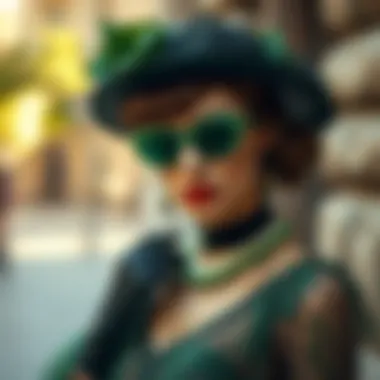

Footwear serves as the foundation of an outfit, especially when wearing a flapper dress. The right shoes can ground the ensemble and offer comfort without sacrificing style. A popular choice for the green flapper dress is a pair of T-strap heels. These shoes typically feature an open toe, enhancing the feminine silhouette while allowing breathability.
- Key characteristic: T-strap heels offer both elegance and support, allowing for ease of movement, which is vital for a lively night of dancing.
- Why it's beneficial: The versatility of these shoes makes them suitable for various occasions, be it a casual day event or a more formal gathering.
- Unique features: T-straps often come in a plethora of colors, making it easy to coordinate with the green hues of the dress.
- Advantages and disadvantages: While T-strap heels create a perfect vintage feel, they might be less comfortable for prolonged wear, so it's wise to consider the event's duration.
Jewelry Recommendations
Jewelry adds a finishing touch that can significantly impact the overall aesthetic of the green flapper dress. The right pieces can capture the glamour of the 1920s, reflecting both sophistication and rebellion. Long, dangling earrings are a standout choice, drawing attention to the wearer's face and elongating the neck.
- Key characteristic: Dangle earrings come in various styles, including Art Deco patterns, which resonate with the flapper's historical background.
- Why it's a popular choice: Their ability to catch the light adds an element of movement, perfectly complementing the dress’s fluid fabric.
- Unique features: Many designs feature intricate beadwork or geometric shapes, mirroring the embellishments found in flapper fashion.
- Advantages and disadvantages: While they accentuate the outfit beautifully, there is a risk of overwhelming the dress if overdone. Pairing one statement piece with more minimalistic options often works best.
Adapting the Look for Various Occasions
Understanding how to adapt the green flapper dress for different occasions ensures that it remains a versatile wardrobe staple. Balancing the dress's vintage charm with the needs of modern events is key.
Casual Day Outfits
For casual outings, the flapper dress can be dressed down with playful touches. Incorporating a light denim jacket and embellished sandals can help striking a balance between relaxed style and vintage elegance.
- Key characteristic: The addition of layers creates an effortless vibe while allowing the flapper dress to maintain its identity.
- Why it’s beneficial: Casual styling makes the dress suitable for brunches or day trips without sacrificing comfort.
- Unique feature: This combination often embraces color coordination, where the denim's blue contrasts beautifully with the green, creating an appealing visual.
- Advantages and disadvantages: However, this style may lack the glam element typically associated with the original flapper look, making it crucial to choose accessories wisely.
Formal Evening Events
For more formal settings, the green flapper dress can be styled to exude high glamour. Pairing it with a cropped faux fur jacket and statement heels transforms the dress into an exquisite evening outfit.
- Key characteristic: The added layers elevate the outfit, making it appropriate for events like galas or upscale cocktail parties.
- Why it’s a popular choice: This look captures the opulence synonymous with the 1920s while remaining fashion-forward.
- Unique feature: Opting for vintage-inspired accessories like pearl necklaces or feathered headbands can add to authenticity.
- Advantages and disadvantages: While this outfit shines in formal contexts, it may feel too extravagant for more laid-back gatherings. It’s vital to consider the event ambiance to ensure a harmonious aesthetic.
"Fashion is a form of art and celebration of oneself. The green flapper dress embodies freedom and creative expression, allowing individual style to flourish in different contexts."
The Future of the Flapper Dress
The flapper dress, especially in its vibrant green hues, embodies a spirit of freedom and defiance that continues to resonate today. Its evolution over the years mirrors societal shifts and cultural reflections that influence contemporary fashion. The future of the flapper dress is not merely about maintaining its nostalgic allure but also about reevaluating its significance in modern wardrobes. We find ourselves at a juncture where understanding this attire’s resurgence and its cultural implications can serve as a guide for today's fashionistas and designers alike.
Resurgence in Popularity
Influence of Social Media
Social media plays a pivotal role in reviving interest in vintage fashion. Platforms like Instagram and Pinterest act as showcases for style inspiration, allowing users to explore and share images of the flapper dress in various forms. The visual nature of these platforms makes it a natural haven for highlighting the intricate details and movement of the flapper silhouette.
One of its most compelling aspects is how it allows users to engage with bold colors like green. This vivacious color catches the eye and connects with users seeking a link to the flapper era's liberating spirit. Furthermore, influencers often showcase modern interpretations of the flapper dress, drawing parallels with current trends while celebrating the historical context of this garment. This visual storytelling fosters a renewed appreciation and acceptance of the flapper aesthetic among younger generations.
However, it does come with its own set of challenges. With the abundance of styles and adaptations, there can be confusion about what a genuine flapper dress is. Additionally, the commercialization of nostalgia could dilute the depth of the flapper’s meaning, making it essential for consumers to remain discerning in their fashion choices.
Revival in Fashion Shows
Fashion shows offer a stage that transcends mere aesthetics, serving as cultural commentary on style. The revival of the flapper dress on these platforms signifies more than just trendy flashbacks; it represents a fusion of past elegance with modern twists. Designer collections often incorporate flapper elements, such as fringe details and bold colors, showcasing a nostalgic return to glamour.
The anticipation surrounding these runway presentations gives life to the dress’s historical roots, offering fresh interpretations that attract the attention of fashion enthusiasts. By incorporating current social themes and elegance of yesteryears, designers can build collections that resonate deeply in today's market.
However, there’s the risk of missing the subtleties that make the flapper dress unique. Some revivals may merely skim the surface, lacking the rich context and cultural significance that originally fueled its popularity. This presents an opportunity for both designers and consumers to engage in conversations around what truly defines the flapper style and to celebrate its origin while embracing innovation.
Cultural Reflections in Modern Fashion
Fashion as a Means of Expression
Fashion is not just what we wear; it serves as a powerful vehicle for self-expression. The flapper dress, with its playful spirit and rebellious undertones, can easily be integrated into modern wardrobes, allowing individuals to convey their identities and aspirations. The dress becomes a canvas for personal stories, enabling wearers to reflect their values and beliefs.
The unique characteristics of the flapper style, such as its carefree silhouette and vibrant colors, make it a favored choice for today’s fashion-forward thinkers. Embracing the flapper trend allows individuals to engage with historical narratives while simultaneously showcasing their creativity. Through various contemporary adaptations, the essence of the flapper dress continues to influence new generations.
Yet, this trend carries a caveat; as fashion becomes more of a social statement, authenticity must remain at the forefront. The challenge for consumers is to ensure that their choices not only reflect their individuality but also respect the dress's historical context.
Role of Feminism in Fashion Choices
In a world where fashion intertwines with social movements, the role of feminism in shaping taste is undeniably pivotal. The flapper dress stands as a historical monument to women’s liberation and bodacious self-expression. Today’s wearers tap into that legacy, wearing the dress as a symbol of empowerment and defiance against societal norms.
Feminism fuels a reevaluation of how clothing can reflect personal beliefs, marking its place in contemporary fashion choices. The flapper dress’s revival isn’t just aesthetic; it signifies a bold reclaiming of feminine identity through bold fashion statements. The freedom women experienced in the 1920s is echoed in today’s desire for choice and individuality.
However, modern feminism also presents a nuanced discourse within the fashion industry. Thus, it is crucial for consumers and designers alike to engage with the flapper’s narrative critically. The challenge lies in balancing aesthetics with the deeper meanings behind fashion choices, ensuring they resonate with ongoing struggles for equality and expression.
"Fashion is a language that creates dialogues across generations; the flapper dress continues to speak volumes about freedom and identity."