The Art of Nail Stamping: Mastering French Tips
Intro
The world of nail art has gained tremendous traction in recent years, evolving into a captivating fusion of creativity and skill. Among the various techniques, nail stamping holds a special place, especially when it comes to crafting the classic elegance of French tips.
This transformative art reflects not only personal style but also the ever-changing dynamics of beauty trends. As we delve into the intricate details of mastering this technique, it’s crucial to highlight the essential tools involved, the methods employed, and the finesse required to perfect the French tip look.
By focusing on nail stamping, we can grab a glimpse of how this practice marries tradition with innovation, offering people the opportunity to express themselves in delightful and intricate ways. Whether one is a newcomer to the world of nail design or someone seasoned in this art, understanding the nuances of nail stamping can elevate one’s skills and artistry to unprecedented levels.
In the following sections, we will unwrap the elements surrounding nail stamping while also emphasizing the significance of practice and precision. Through professional insights and evolving trends, this guide sets out to educate and inspire from the ground up, ensuring every reader has the chance to adorn their nails with grace and flair.
Prologue to Nail Stamping
In the modern gaze at beauty and self-expression, the art of nail stamping stands as a testament to creativity and individuality. It’s not just a trend; it's a perfect blend of tradition and modern techniques that can transform a plain manicure into a work of art. This section delves into what nail stamping is all about and why it merits attention and practice.
Nail stamping allows beauticians and enthusiasts alike to create designs that are intricate and precise, without the extensive effort it usually takes to freehand them. With a few essential tools and a bit of practice, even the most intricate patterns can come to life on the fingertips. This is particularly relevant for anyone who desires to stand out in a crowd, as beautifully stamped nails can become a signature statement.
Why Is Nail Stamping Valuable?
Nail stamping provides several benefits that make it a favored choice in nail art:
- Versatility: The variety of designs available can fit any occasion — from casual outings to formal events.
- Time Efficiency: Compared to other methods, stamping can save time, an essential factor in our fast-paced lives.
- Accessibility: With the right tools, this technique is attainable not just for professionals but also for novices eager to experiment.
When diving into nail artistry, understanding the foundations of nail stamping is crucial. It's not merely about using a stamp; it involves mastering techniques, refining skills, and appreciating the aesthetics. Each step of the stamping process, from selecting colors to applying the design, deserves careful consideration. This article will explore these facets, leading to a more profound understanding of how to achieve stunning French tips using this method. The following sections will build on this knowledge, layering information and skills that can elevate your nail artistry to a new level.
Understanding French Tips
The realm of nail artistry offers a myriad of techniques, but few can match the timeless elegance of French tips. Understanding French tips in the context of nail stamping is not just about replicating a look; it’s about embracing a style that has transcended generations. These delicate designs serve as a canvas for creativity, allowing stylists and nail enthusiasts to infuse their personality into their nails. The simplicity of a French tip can make a bold statement or convey subtle sophistication—making it a staple in any nail technician's repertoire.
One of the most standout aspects of French tips is their versatility. You can dress them up with intricate designs or keep them refined with just the classic white tip against a nude base. This flexibility opens the door for innovation in nail stamping, allowing practitioners to play with various colors and patterns while retaining the quintessential aesthetic that French tips are known for. Thus, gaining a solid understanding of French tips is essential for anyone looking to master the art of nail stamping, as it lays the foundation for both classic and contemporary designs.
Defining French Tips
French tips are best described as a nail art style characterized by a light, neutral base color adorned with a white or contrasting tip. This design exudes an understated elegance, which can be altered to suit different occasions and personal styles. When you think of French tips, envision soft pastel shades, sophisticated whites, or even vibrant hues creating a fresh twist on a classic design. This technique effectively highlights the natural shape of the nails while providing a chic finish that appeals to a broad audience.
What sets French tips apart from other nail designs is their simplicity coupled with their ability to convey a polished image. Unlike other bold nail art trends that might be seen as too flamboyant for some, French tips are appropriate for both formal events and casual outings alike. The clean lines and soft contrasts make them universally appealing.
Evolution of French Tip Designs
The history of French tips is as interesting as the designs themselves. Originally inspired by the desire for a simple yet elegant nail look in the 1970s, French tips have since undergone several transformations. Initially developed as a way to streamline the nail salon experience, these designs have morphed to reflect current trends and lifestyles. From the standard white-tipped look, we have seen the rise of colorful and patterned French tips that push the boundaries of traditional nail art.
In recent years, the integration of nail stamping has revolutionized the way we achieve French tips. Stamping allows for intricate designs to be applied quickly and with precision, enabling stylists to experiment with creative patterns and colors much more easily than hand-painting. As a result, the evolution of French tips has not only enhanced their aesthetic appeal but also made them more accessible to a wider audience.
"French tips are not just a style; they are a canvas for creativity, evolving from simplicity to an expression of art."
With their roots steeped in both fashion and functionality, understanding French tips is vital for any nail artist. As trends continue to evolve, the opportunity to redefine what French tips can mean is ever present—merging tradition with innovation, and ultimately empowering individuals to express their style with confidence.
Essentials for Nail Stamping
Nail stamping is not just about artistry; it's also about having the right preparation. The essentials for nail stamping set the stage for a successful application, ensuring that your designs turn out as intended. Without the right tools and workspace setup, even the most skilled hands can face challenges, making it vital to understand what you need before diving in.
A well-equipped workspace allows for better focus and efficiency. It minimizes distractions and streamlines the process, particularly for intricate designs like French tips. Moreover, using the correct tools can make the difference between a smooth application and a frustrating experience.
Necessary Tools and Equipment
Stamping Plates
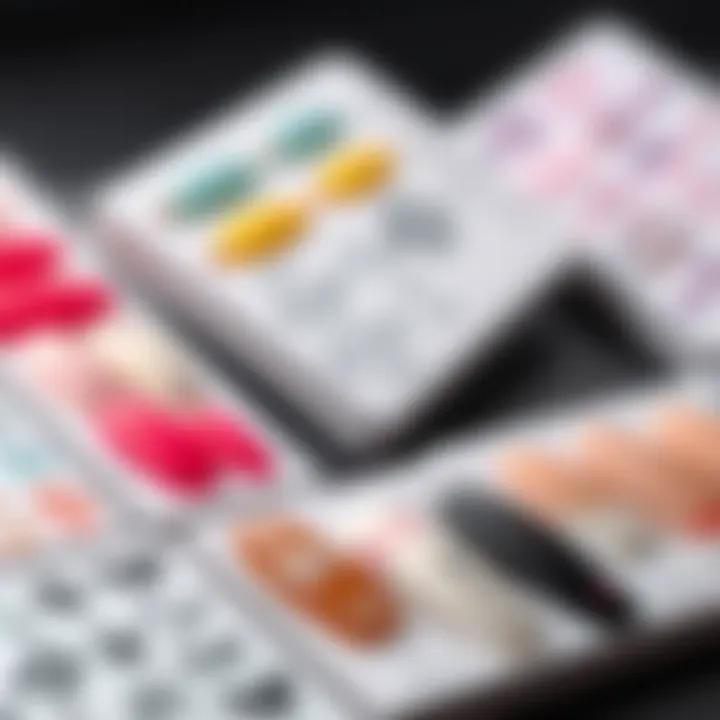
When it comes to nail stamping, stamping plates form the backbone of your design arsenal. These plates come etched with various patterns, allowing users to imprint designs onto their nails. The primary characteristic that makes stamping plates a favored choice is the variety they offer. From floral motifs to geometric designs, there's a plate for every style and occasion.


A unique feature of these plates is their ability to hold intricate art, which might be difficult to achieve by hand. However, it’s essential to choose quality plates, as poor-quality ones can lead to misshaped or incomplete patterns. They may also wear down faster, causing frustration during application.
Nail Polish for Stamping
Not all nail polishes are cut out for stamping. Nail polish for stamping is specially formulated to be thicker and more pigmented than regular polish. This characteristic ensures the design transfers well from the plate to the nail, providing a crisp and sharp result. Many people find that using these specialized polishes is a game-changer, especially when aiming for designs like French tips.
One of the unique features of stamping nail polish is its quick-drying ability, which is crucial to avoid messy smudges. On the flip side, a downside is that these polishes may not come in as wide a color selection as more conventional polishes, which might limit creativity.
Stamping Tools
Stamping tools include the essentials for transferring designs from plates to nails. The primary tool is the stamper, which is designed to pick up and transfer the design. A key characteristic that makes these tools a beneficial choice is their ergonomic design; a good stamper allows for precise placement and pressure control.
Another unique aspect is the variety of stampers available, ranging from soft and squishy to firm and hard. Soft stampers can pick up more detailed designs, while hard ones are often preferred for larger patterns. However, users might experience a learning curve in finding which type of stamper works best for their particular style. Achieving the ideal impression may require some experimentation with different brands and types.
Preparing Your Workspace
To truly excel in nail stamping, preparing your workspace is crucial. A clean, organized area allows for efficient work, which is especially important when dealing with intricate designs like the French tips. Ensure your workspace is well-lit and free of clutter. This helps in not only spotting errors but also streamlining the application process.
In summary, having the right tools and a well-oriented workspace forms the cornerstone of successful nail stamping. Whether you are a novice or a seasoned professional, investing time in setting up can enhance the overall experience and results.
Techniques for Successful Nail Stamping
When it comes to nail stamping, having the right techniques under your belt can make all the difference in your final results. Understanding these techniques not only elevates your skill level but ensures that you can create consistent, stunning designs. It involves knowing how to properly work with stamping plates, achieve perfect impressions, and ultimately apply French tips with finesse. Mastering these core principles is essential for anyone looking to enhance their nail art game.
How to Use Stamping Plates
Stamping plates are the foundation of nail stamping, serving as canvases to transfer intricate designs onto your nails. To use stamping plates effectively, begin by selecting a design that suits your style. Always clean the plate with a little alcohol or nail polish remover to remove any residue or oils before use. This step is essential; any dirt will hinder the design from transferring properly.
Once the plate is prepped, apply a coat of specially formulated stamping polish onto the desired design. Use a scraper to smooth the polish evenly across the plate surface, making sure not to press too hard, as this can scrape away too much product. After that, quickly roll your stamping tool over the design to pick up the pattern and press it onto your nail. Timing is key here; waiting too long can cause the polish to dry and result in a botched stamp.
Achieving Perfect Impressions
Getting a flawless impression is like chasing shadows in the night—it takes practice, but the rewards are worth it. There are a few tips that can help in achieving that dream stamp. First, focus on the angle and pressure used when pressing the stamper onto your nail. Too much pressure can smudge the design, while too little may not transfer it completely.
Moreover, experiment with different types of stamping tools. Some people find that using a silicone stamper provides greater flexibility and precision compared to traditional rubber ones. The type of polish also plays a significant role; using a thicker, more pigmented formula typically generates better coverage.
Creating French Tips with Stamping
When creating French tips through stamping, your approach can either make or break the aesthetic. Start with a well-prepped nail surface; this includes filing, buffing, and applying a base coat to ensure your design adheres properly. After your base coat dries, you are ready to begin.
Choosing the Right Colors
The color palette you choose for French tips can dramatically influence the overall result. Classic white is always in vogue, but don’t shy away from experimenting with softer hues like pale pink or even vibrant shades for a modern twist. One key attribute of color selection is contrast; ensure the tip color stands out against your base. This not only draws the eye but also highlights the elegance of the French tip design. Using a high-quality nail polish specifically designed for stamping can enhance vibrancy and durability.
Additionally, consider seasonal color trends. For instance, pastel shades work wonderfully in spring, while dark, rich colors are perfect for winter. This aspect of color choice is not just functional; it can be the difference between a satisfying design and one that feels lackluster.
Placement Precision
Placement is crucial when it comes to French tips, particularly with stamp designs. A key characteristic of precise placement is a steady hand; doing a test run on a piece of paper can be beneficial. It allows you to gauge the positioning before committing to your nails. The goal is to have that tip sit just right on the nail edge without exceeding the cuticle or leaving too much space.
Furthermore, a tape guide can serve as an excellent tool for ensuring straight lines. Simply lay a piece of tape across your nail bed as a border for where you want your tips to go. That way, you can apply the design with confidence, knowing it’ll land right where you want it.
Mastering these techniques not only makes the entire stamping process smoother but also enhances your creativity. In turn, these skills can translate into stunning, artistic nails that express your personal touch and flair.
Common Challenges and Solutions


Understanding common challenges in nail stamping is essential for anyone looking to master the art of French tips. Like any skill, this technique has its share of hurdles, but knowing these upfront allows one to prepare and troubleshoot effectively. This section aims to illuminate these challenges and provide handy solutions that can boost your confidence while adding finesse to your nail artistry.
Dealing with Stamping Failures
Stamping failures can be a source of frustration. You diligently set up your tools, choose the perfect plate, and then bam—the design is a complete mess. A key reason for these mishaps is often improper technique or misalignment. Here’s a rundown of common failures and how to address them:
- Skipping Prep Work: Not prepping the nail properly can lead to smudges. Always start with a base coat and ensure nails are clean to avoid any hiccups.
- Inconsistent Polishes: Not all polishes are created equal. Use polishes specially formulated for stamping, as they often have a thicker consistency that transfers better.
- Incorrect Pressure: Sometimes, it’s a matter of applying too much or too little pressure when pressing the stamper to the nail. Experiment to find the right amount—find that sweet spot!
- Drying Time: If you try to stamp too quickly after applying polish, you might find it turning into a gooey mess. Make sure the base layer is completely dry before proceeding.
With a little patience and practice, overcoming these challenges is just a step away. Moreover, if a stamp doesn’t transfer fully, remember that practice makes perfect.
Tips for Cleanup and Maintenance
Smudging is a painful reality in nail stamping, but cleanup doesn’t have to feel like a chore. Keep those nails looking sharp with a straightforward cleanup routine. Here are several approaches:
- Use a Clean-Up Brush: Invest in a nail art brush specifically for cleanup. Dip it in your favorite solvent and gently remove any excess polish around the nail.
- Tape Strategy: For unexpected mishaps, having some tape handy can be a lifesaver. Just tap it on the area where you want to lift off unwanted polish. It’s quick, especially during a rush.
- Maintain Your Tools: Dirty plates and stamps can cause problems in your work. Clean your stamping tools after every use with an appropriate cleaner or simple acetone. It’s a small step that’ll go a long way.
- Regular Replacement: If you notice that a stamping plate is worn out or has lost its etchings, it might be time to replace it. Over time, plates can break down, leading to ineffective stamping.
Keeping your workspace tidy and your tools sharp will prepare you for future sessions and help avoid unnecessary setbacks.
"The journey in nail stamping is like learning to ride a bike; there are falls along the way, but balance comes with practice."
In summary, while the world of nail stamping might initially seem daunting, understanding common challenges along with practical solutions can elevate your skills. There’s no need to shy away from creating beautiful French tips when you've got the right strategies up your sleeve!
Advanced Nail Stamping Techniques
Advanced nail stamping techniques can elevate your nail art game to new heights. While basic stamping offers a wonderful introduction, moving into advanced methods is where true artistry emerges. This section will not only explain how to combine stamping with other nail art techniques but also delve into incorporating breathtaking color gradients. Each aspect we cover enhances your ability to produce unique and striking designs, ensuring your nail art is both contemporary and intricate.
Combining Stamping with Other Nail Art
When it comes to nail art, combining techniques can create a more dynamic look. Through additive techniques and mixed media approaches, you can achieve a level of complexity that standalone stamping might not provide.
Additive Techniques
Additive techniques involve layering different nail art methods to create a richer design. For instance, if you first stamp a delicate floral pattern, you might then add some hand-painted details to give it more depth. The beauty of this approach lies in its flexibility—stylists can easily switch between various styles, textures, and finishes.
One key characteristic of additive techniques is their ability to provide a custom look. Each layer you add can be adjusted for color, style, or even texture, making each design truly unique. This technique is particularly beneficial in the realm of French tips, as you can incorporate traditional designs with modern flair.
While the advantages are clear, it's worth noting that it requires more patience and skill. Each layer must dry properly to avoid smudging, which can be a downside for those in a hurry. Still, many find the beauty and personalization offered by additive techniques too enticing to resist.
Mixed Media Approaches
Mixed media approaches take the idea of combining techniques a step further. This could mean incorporating glitter, gems, or even metallic foils alongside stamped designs. The key characteristic here is the use of diverse materials that contribute to a rich visual texture that a simple polish can't provide.
Using mixed media adds another layer of sophistication to nail art, capturing attention and sparking interest. For instance, you might stamp a design in a soft hue then accentuate it with bold, contrasting glitter. This juxtaposition creates an eye-catching result that draws the viewer’s gaze.
However, the downside can include the additional time needed for application, especially when using components that require precise placement, like gems. This foresight is crucial for each aspect to blend harmoniously rather than create a haphazard look.
Incorporating Color Gradients
Color gradients can bring a fresh dimension to nail stamping designs, especially French tips. They create a seamless transition between colors, which softens lines and enhances the aesthetic appeal. Imagine a classic French tip, but instead of a stark white, it fades from a delicate pastel pink to a milky white. Such a blend happens smoothly, allowing for a sophisticated and modern twist on this traditional style.
When implementing color gradients, blending techniques must be precise. Tools like cosmetic sponges or gradient brushes are beneficial to achieving that smooth ombre effect, ensuring the colors fuse beautifully without harsh lines.
Professional Practices in Nail Salons
Professional practices in nail salons are essential pillars supporting the nail art industry. For stylist, fashion bloggers, retail marketers, designers, and influencers, understanding these elements can translate directly into offerings that meet client expectations while also elevating design standards. The integration of nail stamping into a professional salon setting requires not only mastery of techniques but also adherence to principles that ensure consistent quality and client satisfaction.
Nail Stamping in the Salon Environment
Nail stamping in a salon environment isn’t just about applying pretty patterns; it embodies the whole experience that clients seek. Salons that integrate nail stamping must create a welcoming environment, furnished with the right tools and equipment. From staining plates to a variety of high-quality nail products, everything should be easily accessible to ensure smooth operations.
A well-prepared area with sufficient lighting, good ventilation, and organized layout can provide a dazzling experience for customers. This also means having an efficient system to manage appointments and maintain product inventory. Importance also lies in often practicing and refining stamping techniques to stay up to date with current trends.
Professional nail technicians should prioritize communication with clients to ascertain their needs. Listening to preferences can lead to customized designs that leave customers thrilled, creating an environment where services are tailored rather than one-size-fits-all. In this expansive realm, creativity and technique play hand in hand, leaving room for stylists to shine their brightest.
Maintaining Hygiene and Safety Standards
In an industry where beauty meets precision, it’s imperative to prioritize hygiene and safety standards. The necessity of effective sterilization methods cannot be undersold; careless practices can lead to health risks for clients. Tools such as stamping plates, which come into contact with multiple clients, must undergo thorough cleaning after each use. This ensures that no residues or contaminants are transferred, maintaining a clean slate for each person.
Furthermore, adhering to local regulations regarding sanitization is vital. This often includes keeping up to date with guidelines issued by health departments to monitor client wellbeing. Nail salons should train their staff routinely to follow proper hygiene protocols. Here’s a breakdown of critical hygiene practices:
- Regular sterilization of tools: Autoclave sterilizers can be particularly effective.
- Hand hygiene: Gloves should be worn and changed between clients, minimizing the risk of cross-contamination.
- Clean workspaces: Tools, surfaces, and equipment must be cleaned regularly to limit exposure to bacteria.
"A clean workstation isn’t just appealing; it’s an unspoken contract of trust with clients."
When salons keep a close eye on hygiene and safety, they not only enhance their reputation but also foster repeat business. Clients feel valued and safe, making it a win-win situation. To sum it up, professional practices in nail salons encompass a mastering of artistic techniques underpinned by a solid foundation of hygiene and organizational strategies, ultimately leading to beautifully stamped French tips that delight and leave a lasting impression on clients.
Trends in Nail Art and Stamping
As the world of beauty continues to evolve, so does the art of nail stamping. This section underscores the significance of staying up to date with trends in nail art and stamping, particularly for stylists and influencers who strive for creativity and uniqueness in their work. Trends matter not just for aesthetic appeal; they influence product development, consumer preferences, and even social media engagement. By recognizing current and emerging trends, one can enhance their skills, attract a broader clientele, and maintain a relevant presence in the beauty industry.
Current Popular Designs
In recent times, several nail stamping designs have surged to popularity, leaving many nail enthusiasts eager to replicate them. Here are some standout styles:
- Negative Space Designs: These designs focus on leaving portions of the nail unpainted to create geometric patterns or floral shapes, offering a modern twist on traditional looks. They provide a chic, minimalist aesthetic that appeals to many.
- Metallic and Chrome Finishes: The rise of metallics has made its way to nail stamping. Using metallic polishes, enthusiasts can create eye-catching designs with a lustrous finish that adds a touch of glamour to any look.
- Botanical Patterns: Leaf, flower, and nature-inspired motifs are becoming increasingly popular. These patterns, stamped onto softer base colors, evoke a sense of freshness, ideal for the spring and summer seasons.
- Ombre Effects: Blending colors through stamping creates stunning gradient effects. This technique can add depth to any nail design, particularly when combined with French tips, making it a favorite among nail art aficionados.
Stylists and influencers are seen showcasing these designs on platforms like Instagram and Pinterest, encouraging followers to explore nail stamping as a feasible method for achieving intricate art.
Forecasting Future Trends
Looking ahead, the nail stamping landscape is poised for further innovation. Here are some potential directions in which trends may evolve:
- Eco-Friendly Options: With growing awareness about environmental issues, we can expect to see a rise in non-toxic and cruelty-free nail products. Brands may start offering stamping polishes that are plant-based or have biodegradable properties, aligning with consumer demands for sustainability.
- Personalization and Customization: As technology advances, the possibility of custom stamping plates that cater to individual preferences becomes more realistic. Consumers might soon be able to order plates with their own designs or favorite motifs, making their nail art experience more personal.
- 3D and Textured Stamping: The future might also involve experimenting with textures that add depth to designs. Imagine stamped patterns that not only look great but also provide a tactile experience, enhancing the overall appeal of nail art.
- Integration with Augmented Reality: As augmented reality becomes a more common tool in beauty, the ability to visualize how a specific stamp or design looks on one's nails before application may transform the decision-making process for nail art.
"Anticipating trends in nail art isn’t just a creative endeavor; it’s a strategic move for any beauty professional. Staying ahead of the curve will keep you relevant in a bustling market."
By understanding what’s currently in vogue and predicting what’s to come, nail artists can position themselves not just as followers but as trendsetters. This foresight, paired with keen technique and an eye for aesthetics, can elevate one’s nail art game dramatically.
The End
In the realm of beauty, mastering the art of nail stamping, particularly for French tips, stands as a testament to one's dedication and skill. This technique is not merely about applying nail polish or stamping designs; it’s about cultivating an aesthetic that embodies both elegance and creativity. By understanding the nuances of nail stamping as detailed in this article, stylists, fashion bloggers, and nail enthusiasts alike can significantly enhance their nail art repertoire. The significance of this conclusion lies in the synthesis of the knowledge acquired through the prior sections, highlighting the essential tools, advanced techniques, and professional practices that contribute to achieving impeccable French tips.
Recap of Key Points
To summarize, the journey through nail stamping has revealed several crucial aspects:
- Understanding Nail Stamping: This technique goes beyond the surface, requiring a grasp of the history and evolution of nail art.
- Essentials for Success: Familiarity with the right tools and workspace preparation can make or break a nail design.
- Techniques for Mastery: It's about precision in applying stamping plates and choosing the correct colors for French tips, ensuring a smooth and beautiful finish.
- Overcoming Challenges: Learning how to deal with common failures and maintaining tools helps elevate the overall quality of nail art.
- Professional Insights: Exposure to salon practices and hygiene standards reinforces the importance of safety and professionalism in the beauty industry.
- Trend Awareness: Keeping an eye on current designs and anticipating future trends empowers artists to remain cutting-edge.
This recap serves as a reminder of the elements that interconnect to create striking nail designs, helping practitioners to revisit or deepen their understanding of nail stamping techniques.
Encouragement for Continued Practice
The journey does not end with mastering the basics; it is an ongoing process. Encouragement to practice regularly cannot be understated. Nail stamping is akin to playing a musical instrument—repetition leads to refinement. Experimentation with color combinations, styles, and techniques will yield greater familiarity with the art form, allowing for the development of a personal signature style.
Taking time to revisit the core principles discussed in this guide will fortify the foundation for advanced techniques. Joining communities on platforms like Reddit can provide support and inspiration from fellow enthusiasts who share a passion for nail art. By showcasing progress and seeking feedback, budding nail artists can enhance their skills even more. Therefore, embrace the challenge, enjoy the creative journey, and remember: every successful design starts with practice and a willingness to learn.
"The only way to do great work is to love what you do." - Steve Jobs
Embarking on the path of nail stamping means committing to the art with heart and diligence. As you continue to refine your craft, not only will your designs become more intricate, but your passion for the art will grow stronger with each brush stroke.