Exploring the Benefits of Newborn Barefoot Sandals
Intro
The choice of footwear for infants has always been a point of interest for parents and caregivers alike. Recently, a heartwarming trend has come to the forefront: newborn barefoot sandals. These unique accessories not only add a touch of flair to an infant's outfit but also offer several benefits for the developing foot. In a world where practicality meets style, the conversation around barefoot sandals is one worth exploring.
As we dive deeper, we will discuss the design elements that make these sandals appealing, without losing sight of their functional aspects. We'll also explore their cultural significance, as they are deeply intertwined with various traditions and practices. From the nuanced benefits these sandals provide for infant development to practical tips for selecting the right pair, this comprehensive guide caters to the informed preferences of parents today.
This article aims to enlighten those who consider themselves discerning readers, shedding light on why newborn barefoot sandals deserve a place in every stylish child's wardrobe. Whether you are a stylist, fashion influencer, or parent looking for the best for your little one, there is something in this exploration for you. Let’s get started on this delightful journey into the world of newborn barefoot sandals.
Fashion Insights
The intersection of fashion and functionality shines a light on newborn barefoot sandals, revealing their current trends in design and cultural relevance. The demand for these accessories is rising, not merely as a fashion statement but as a conscious choice aligned with the belief in natural movement.
Current Trends in Clothing
As far as trends go, there's a growing inclination towards embracing raw and organic materials. Parents are drawn to sustainable options that not only look good but are kind to the environment too. Recently, barefoot sandals have diversified into an array of styles—think soft leather, cotton, or even crochet. This infusion of creativity has breathed new life into traditional footwear, making them an attractive alternative to standard baby shoes.
- Versatile color palettes that can match any outfit
- Eco-friendly materials that promote foot health
- Adjustable designs for growing feet
With these design innovations, barefoot sandals are not just about keeping little toes protected. They also serve as a blank canvas for creativity, allowing parents to express individual styles.
Iconic Fashion Moments
Some might argue that fashion has always been about breaking boundaries, and the same goes for newborn barefoot sandals. Instances where these sandals have graced social media platforms and been sported by celebrity infants highlight a shift in baby fashion norms. Like any groundbreaking trend, it's not limited to the upper echelons of society. Common folks on social media showcase how they style these sandals in day-to-day life, thus normalizing their presence in every household.
Each post inspires others, setting the stage for these sandals to become a staple in baby gear. Not only can they be noticed on runways, but they have also become a symbol of modern parenting where practicality meets elegance.
Prelude to Newborn Barefoot Sandals
The surge in the use of newborn barefoot sandals speaks volumes about modern parenting choices. These unique foot coverings not only serve a practical purpose but are imbued with cultural significance and a burgeoning sense of style. As parents become increasingly aware of the importance of natural movement for their little ones' feet, the embrace of barefoot sandals has paved the way for a movement aimed at fostering healthy development. It’s critical to explore how such simple accessories can impact a child’s growth and the thought process behind their design.
Defining Barefoot Sandals for Infants
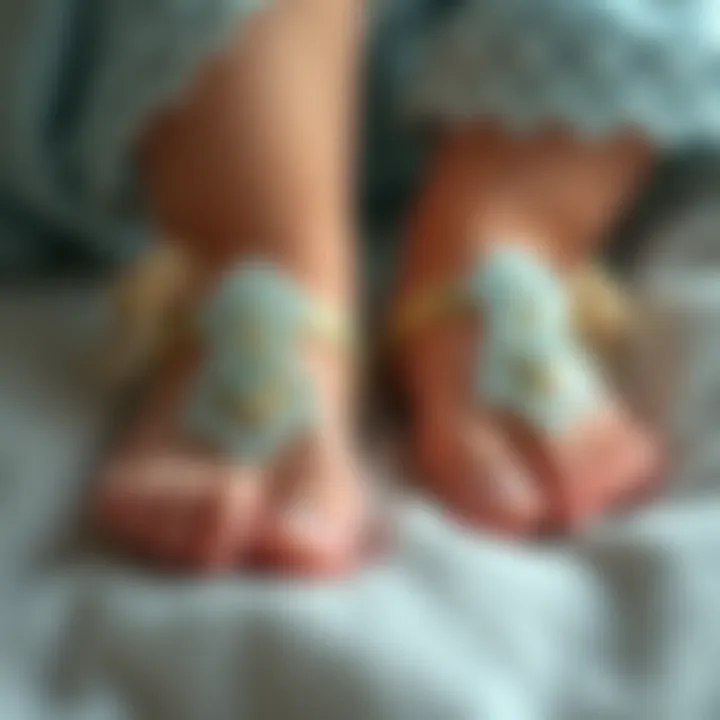
Barefoot sandals for infants are a minimalistic form of footwear designed to provide some protection without restricting the foot's natural movement. Frequently made from soft materials, they often resemble the look of traditional sandals but lack the bulk typical of everyday shoes, thereby allowing for greater air circulation. These sandals typically include a strap system designed to keep the sandals securely on tiny feet without causing discomfort. As a result, many parents appreciate the way these designs seem to meld artistry with necessity, allowing their newborns' feet to feel the world beneath them while still enjoying a degree of protection.
The Rise in Popularity of Barefoot Sandals
In recent years, the popularity of newborn barefoot sandals has taken off like a rocket. Shifts in parenting philosophies, particularly the trend toward more holistic, organic, and natural living, greatly influence this uptick. Parents have become more aligned with the mindset that less is often more, especially when it comes to the types of items they select for their infants. Furthermore, social media platforms have played a key role. Trendsetters and influencers showcasing unique styles have turned these sandals into something of a fashion statement. Parents now find themselves drawn to artisanal and themed barefoot sandal designs that not only support healthy foot growth but also allow for creativity in dressing their little ones.
Ultimately, this rise in demand for newborn barefoot sandals emerges from a blend of practicality, aesthetic appeal, and a longing for connection to tradition. By peeling back the layers of this trend, one starts to understand how such wearables aren't just accessories but rather vital components that nurture infant development and express parental values.
Understanding the Design Elements
The design of newborn barefoot sandals entails much more than just aesthetics; it touches on functionality, comfort, and safety for infants. In today’s discussion, we explore the important elements that contribute to the overall quality and effectiveness of these sandals. Understanding the design helps parents make informed choices that benefit not only their little ones but also reflect personal style and preferences.
Materials Used in Sandal Creation
Natural fibers
Natural fibers, such as cotton, hemp, and jute, have become popular choices for crafting barefoot sandals for newborns. They boast a few key characteristics which make them both beneficial and appealing. Firstly, natural fibers are renowned for their breathability, which is vital for delicate newborn skin. They allow air circulation, reducing the risk of overheating—something parents are rightfully cautious about.
Additionally, a significant benefit of natural fibers is their eco-friendliness. They generally undergo less processing than synthetic alternatives and decompose naturally over time. A unique feature of natural fibers is their inherently soft texture. This softness ensures that the sandals are gentle on a baby’s tender skin, making them an excellent choice for infants who are just starting to explore their environment.
However, it’s worth noting that natural fibers can be less durable in comparison to synthetics. They may wear out more quickly, especially if they’re exposed to moisture frequently, such as during those sunny beach days.
Synthetic alternatives
On the flip side, synthetic materials like polyester and nylon have carved out a place in the world of newborn sandals. These materials offer properties that can complement the needs of active infants. One of the main advantages of synthetic alternatives is their durability. They often withstand the wear and tear that comes with the energetic movements of babies learning to crawl or walk.
Another aspect of synthetic materials is their resistance to fading and deformation. For parents concerned about the longevity of their purchases, synthetic sandals tend to hold up better under rigorous use. Additionally, they often come in designs that are easier to clean, which is a hallmark for many busy parents juggling the demands of infant care.
Nevertheless, some synthetic materials can trap heat, leading to discomfort for the little one during warmer days. The lack of breathability may raise questions about whether they are ultimately the best choice for newborns who require lightweight options that don't restrict their foot development.
Common Styles of Newborn Sandals
Classic designs
When it comes to classic designs in newborn sandals, simple styles that prioritize functionality reign supreme. These designs often feature soft soles with minimalistic straps, allowing for easy on-and-off as well as maximum flexibility for tiny feet.
The key characteristic of classic designs is their timeless appeal; they never seem to go out of style. They fit seamlessly into nearly every outfit, whether for a family outing or just lounging at home. The unique feature here is that classic designs come in neutral colors or simple patterns, making them versatile.
However, while classic designs are undoubtedly practical, they may lack the eye-catching attributes that some parents seek. Fashion-forward styles have made vast improvements, leading parents to sometimes prioritize trendy aesthetics over classic utility.
Fashion-forward options
In contrast, fashion-forward options offer a dynamic range of styles that cater to trend-savvy parents. These sandals are often embellished with vibrant colors, unique patterns, and creative cuts that make them stand out. The key characteristic is undoubtedly their chic design, which can elevate even the most mundane baby outfit.
These options allow parents to express their sense of style and keep up with the latest trends. A unique feature of fashion-forward sandals is the incorporation of embellishments, such as bows or beads, giving an opportunity for personalization.
However, they can sometimes come at the cost of comfort and safety. While visually appealing, some intricate designs may not provide the best support for growing feet, so it’s essential to balance fashion with functionality.
Benefits of Barefoot Sandals for Newborns
Barefoot sandals have swiftly taken the parenting world by storm, especially for enthusiasts seeking the most natural and healthy options for their infants. As we look into the myriad of benefits these sandals offer, it becomes clear that they serve a larger purpose beyond just being a fashionable accessory. They play a crucial role in promoting the overall well-being and development of a newborn's feet, offering significant advantages that deserve special attention.
Promoting Healthy Foot Development
The significance of healthy foot development in newborns cannot be overstated. Barefoot sandals are designed with the philosophy that the closer an infant's foot is to nature, the better it can grow and develop. These sandals often have a soft yet firm sole that provides just enough support without constricting the natural movement of the foot. By allowing the toes to splay and grip as they would when walking barefoot, it encourages the development of crucial muscles and ligaments.
Some key aspects related to healthy foot development include:
- Strengthening Muscles: Newborns need to develop the muscles in their feet and ankles as they embark on their journey toward walking. Barefoot sandals provide the right kind of resistance, enabling babies to flex and strengthen these essential muscles naturally.
- Promoting Natural Reflexes: When infants are not restricted by bulky shoes, they can engage in reflexive movements that help develop balance and coordination. This reactive movement improves joint and muscle responsiveness over time.
- Good Posture: Without interference from traditional footwear, infants can adopt a more natural stance. This foundation in posture not only aids in foot development but impacts the alignment of the entire body as they grow.
By investing in barefoot sandals for your infant, you’re not just making a style choice—you’re laying the groundwork for a lifetime of healthy movements.
Enhancing Sensory Experience
In addition to supporting physical development, barefoot sandals provide a remarkable sensory experience. A newborn's foot is highly sensitive, filled with nerve endings that react to different textures and temperatures. When wearing traditional shoes, many of these sensations are lost. Barefoot sandals, on the other hand, allow infants to engage with their environment more fully.
The benefits related to sensory experiences include:
- Tactile Awareness: As babies move about, the different surfaces they encounter (grass, carpet, sand) stimulate their sensory development. This tactile exploration enhances their ability to interpret their surroundings, promoting cognitive growth.
- Temperature Regulation: Barefoot sandals help in keeping the feet cool or warm relative to the environment since they are often less insulated than traditional footwear. Babies develop a more nuanced understanding of temperature, which is vital as they grow and explore.
- Connection to Environment: When babies wear barefoot sandals, they often feel more grounded. The direct contact with the ground fosters a sense of stability, which can also make them more adventurous and confident in their movements as they grow older.
"Allowing newborns to feel the world beneath their feet is not just a matter of comfort; it paves the way for their physical and emotional development."
Cultural Context and Historical Significance
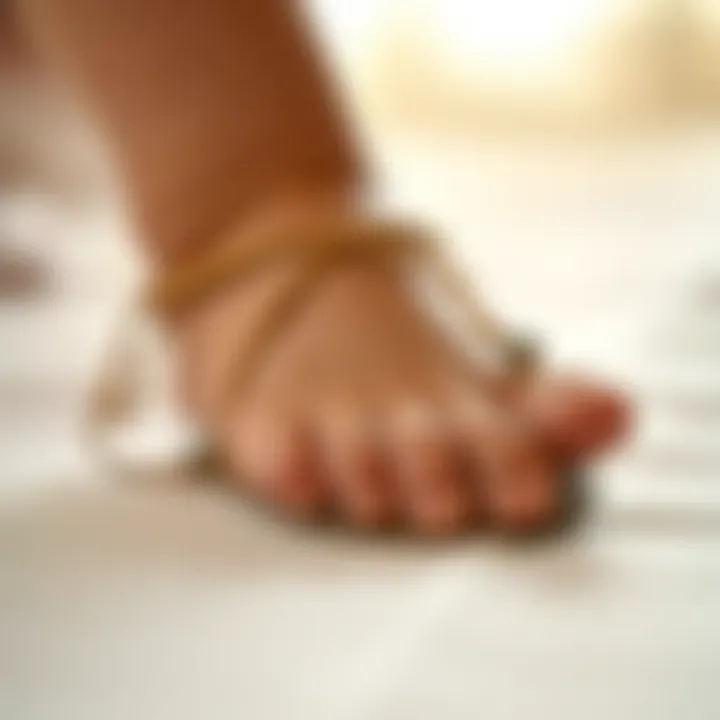
Understanding the cultural context and historical importance of newborn barefoot sandals offers a glimpse into how societies across the globe have approached infant footwear throughout time. This section highlights the variety of ways in which barefoot sandals have been used, their evolution, and what they signify in different cultures. Not only do they serve a practical purpose, but they also hold aesthetic and symbolic meanings that enhance their relevance in today’s market.
Traditional Uses of Barefoot Sandals Worldwide
Across various cultures, barefoot sandals have been utilized in specific ways that reflect local customs, beliefs, and practices. For instance, in many indigenous tribes, minimalistic footwear, akin to the newborn barefoot sandal, is a rite of passage for new life, symbolizing a connection to nature, freedom, and cultural identity.
- In India, certain traditional groups adorn babies’ feet with handcrafted barefoot sandals, often embedded with vibrant decorations representing their heritage. These sandals are believed to ward off evil spirits, showcasing the intersection of practicality and spirituality.
- In Africa, particularly in regions like Ethiopia, infants often go barefoot or wear simple sandals. These designs are not only functional on local terrains but also represent familial unity, as parents often craft them with love and care.
- In the Pacific Islands, parents have historically used materials like coconut and palm fibers to make uniquely designed barefoot sandals. These sandals cater to the warm, sandy environments of the islands and serve to introduce children to cultural practices surrounding sustainable craftsmanship.
The reuse and revival of these traditional practices resonate with modern parents seeking meaningful connections to their own roots. By choosing barefoot sandals that honor their cultural background, they engage in a richer narrative that transcends mere functionality.
Evolution of Infant Footwear Across Cultures
The journey of infant footwear, from rudimentary designs to chic barefoot sandals, reflects broader shifts in cultural attitudes toward children's health, wellbeing, and fashion. As society evolves, so do the priorities surrounding infant footwear:
- In ancient times, infant footwear largely aimed to protect against environmental hazards, with designs inspired by readily available natural materials. Over the years, with greater understanding of foot development and health, the focus shifted towards shoes that promote natural movement.
- The 20th century saw a wave of industrialization and mass production of children’s shoes, often prioritizing aesthetics over functionality. This led to a growing concern about the impact of poorly designed footwear on child development, prompting experts to advocate for options that mimic barefoot walking—resulting in the demand for barefoot sandals.
- Today, barefoot sandals have positioned themselves at the junction of tradition and modernity. Parents are now looking for sandals that are both stylish and supportive of their newborn's growth. This transitional phase highlights a conscious shift towards environmentally friendly materials and sustainable practices in infant apparel, urging manufacturers to innovate while respecting cultural designs.
"Footwear for infants is not merely about protection; it’s an intersection of health, culture, and style that speaks to the evolution of our values as a society."
Choosing the Right Barefoot Sandals
Choosing the right barefoot sandals for newborns is more than just a matter of aesthetics; it’s fundamentally about ensuring the health and well-being of growing feet. As parents navigate a sea of choices, it becomes essential to consider various factors that significantly impact comfort, safety, and overall foot development. A poorly fitting sandal might not only feel uncomfortable but could lead to issues down the road. The journey to finding that perfect pair begins with understanding sizing, materials, and safety standards, which are all crucial components that play a role in this selection process.
Sizing Matters: Ensuring the Perfect Fit
Fit is paramount when it comes to infant footwear. A snug fit allows the foot to develop naturally, while too tight or loose sandals can cause issues. When selecting barefoot sandals, it’s crucial to measure the foot accurately. Ideally, one should measure the length and width of the infant's foot at the end of the day when feet tend to be the most swollen. The sandals should have enough room to allow the toes to wiggle freely, yet not so loose that the sandals slip off easily.
"A well-fitted sandal can make a world of difference for little ones, allowing them to explore comfortably."
When considering sizing, several brands have their own sizing charts, so it's worth checking them beforehand. Also, many sandals come with an adjustable strap, making them a versatile option as the child grows. Pay close attention to customer reviews, as they can reveal insights into whether a specific model runs true to size or not.
Design Safety Standards for Infants
Testing for Durability
Durability in a sandal affects its lifespan, which is a critical aspect for parents looking for value. Well-constructed sandals provide protection during active play while allowing the foot to breathe. Testing for durability involves assessing how well materials hold up under regular wear and tear—an indispensable characteristic for any infant product. Durable sandals resist fraying, tearing, and wear over time.
Why is this important? Because toddlers can be as restless as a bee in a flower patch, meaning their footwear needs to withstand plenty of outdoor adventures. A durable sandal is beneficial for parents as it reduces overall expenses by minimizing the frequency of replacements. It's advisable to look for sandals made from high-quality materials that undergo rigorous testing. Brands that promise longevity often publish their testing protocols, giving parents peace of mind about their product's longevity.
Assessing Material Safety
Material safety is non-negotiable when it comes to infant footwear. Many parents often find themselves asking, "Are these sandals safe for my little one?" This involves examining the materials used, ensuring they are free from harmful chemicals, and checking that they allow for adequate airflow.
A key characteristic of assessing material safety is looking out for certifications. Some sandals come with safety labels that indicate compliance with safety standards, which is a boon for discerning parents. A unique feature to consider is the use of organic or recycled materials; these options not only boast fewer chemicals but are also better for the planet, aligning with eco-conscious values. Balancing safety with comfort and design can lead to positive outcomes. Ultimately, safe materials contribute to a child's overall developmental journey, making their first experiences with footwear both joyful and healthy.
Fashion Trends in Newborn Barefoot Sandals
The world of newborn fashion is ever-evolving, and with the rise of barefoot sandals, there's a new trend becoming evident. In recent times, parents are increasingly conscious of both style and functionality when it comes to their infants’ footwear. This section dives into why understanding fashion trends in newborn barefoot sandals is essential, not just for aesthetic reasons but also for practical benefits that can affect the baby's comfort and development.
Current Trends in Design and Functionality
Today’s designs of newborn barefoot sandals have transcended traditional styles, leading parents to find options that merge both practicality and allure. Several key trends have emerged:
- Natural Materials: More brands are using organic cotton, hemp, and linen for their barefoot sandals. Not only are these materials breathable, but they also provide comfort and support.
- Minimalist Aesthetics: The clean, simple lines of minimalist designs allow for easy pairing with any outfit. Many parents favor styles that feature soft colors and subtle prints that can be worn for various occasions.
- Innovative Fastening Solutions: From Velcro to snaps, the methods of securing sandals have improved. These features make it easier for parents to put on and take off sandals while ensuring a snug fit for the baby.
- Customizable Options: Some manufacturers are introducing customizable sandals where parents can choose the color or patterns, feeding into the desire for individual expression.

This blend of aesthetics and functionality ensures that every pair of sandals serves a dual purpose: pleasing the eye while being totally practical for everyday wear.
Analyzing Market Preferences Among Parents
As the market for newborn barefoot sandals expands, it’s noteworthy how parental preferences have been shaping the products offered. Research indicates:
- Safety-first Mentality: Parents value safety and health, leading them to prefer sandals that have secure, non-slip soles. Many look for sandals that do not hinder their child's natural foot movement.
- Affordability vs. Quality: While budget is always a concern, many parents are willing to spend a bit more on sandals that promise durability and comfort. The perception is that investing in quality means less frequent purchases.
- Brand Reputation: Brands that convey a commitment to sustainable and ethical practices tend to gain attention. Parents want to align their choices with their values, choosing sandals made by companies that prioritize eco-friendly materials.
"Fashion is not just about looking good; it's about feeling good from the ground up."
By evaluating current styles and understanding market preferences, it's clear that today’s parents want functional, stylish footwear that aligns with their values, ensuring their babies enjoy the comfort and freedom associated with being barefoot.
Caring for Barefoot Sandals
Caring for barefoot sandals is not just a matter of aesthetics; it's essential for maximizing their lifespan and ensuring they continue to deliver the benefits they were designed for. These sandals, often crafted with delicate materials, require a bit of attention, especially considering the growing importance parents place on sustainability and longevity in children’s products. Proper care can significantly extend the life of these footwear items, allowing parents to pass them down or even resell them, reducing waste and aligning with eco-conscious values.
Cleaning Instructions for Longevity
Cleaning barefoot sandals is vital to keep them looking fresh and hygienic. Here are some practical guidelines:
- Material Awareness: Different materials call for varied cleaning methods. For natural fibers, mild detergent mixed with water typically does the trick. Synthetic materials might require a gentle wipe down with a damp cloth.
- Hand Wash Recommended: Avoid tossing them in the washing machine unless the manufacturer states otherwise. Hand washing helps preserve the integrity of delicate materials.
- Gentle Scrubbing: For stubborn spots, a soft brush will do wonders without risking damage. This is especially important for sandals that may have intricate designs.
- Drying Method: Never leave them in direct sunlight or near heat sources to dry. Instead, place them in a shaded area or use a fan to speed up the drying process, which helps prevent warping and fading.
Storing Sandals for Optimal Durability
Storing barefoot sandals correctly can significantly impact their longevity. Here’s how to ensure they stay in prime condition:
- Cool, Dry Place: Store sandals in a location that is away from moisture and heat. A cool, dry spot in your home helps prevent mold or degradation of materials.
- Use Dust Bags or Boxes: Protecting them from dust and accidental damage is important. Consider using breathable dust bags, especially for designs with embellishments or delicate fabrics.
- Air Them Out: Every now and then, it’s wise to let them breathe by taking them out of storage, which can help avoid any musty smells.
- Avoid Crushing: When stacking or storing multiple pairs, try not to place heavy items on top. This can change their shape and fit, which is something to watch out for.
Proper care and storage of your barefoot sandals ensures that they're ready for use whenever your little one needs them, thus maximizing your investment.
By implementing these best practices for cleaning and storing, parents can keep their newborn barefoot sandals not just looking great, but also performing well. This level of care reflects the thoughtfulness that goes into children’s products, aligning with broader trends toward sustainability and longevity.
Culmination: Evaluating the Place of Barefoot Sandals
The conversation around newborn barefoot sandals has shifted from mere trendiness to a significant consideration in infant footwear choices. This shift highlights not only aesthetic preferences but also deep-seated concerns about foot health and developmental practices. As parents strive to provide the best for their children, understanding these sandals’ place in early life becomes crucial.
Sustainability and Eco-Conscious Choices
The rise in popularity of barefoot sandals is intertwined with a broader movement toward sustainable and eco-friendly choices. Parents today are more conscious of the materials they select for their baby's first footwear. An increasing number of brands are stepping up to the plate, employing sustainable materials such as organic cotton and recycled plastics. These natural fibers are not just soft against a baby's delicate skin; they offer a smaller carbon footprint compared to synthetic alternatives.
"Choosing barefoot sandals made from eco-conscious materials helps foster a sense of responsibility towards the environment while ensuring your child's comfort."
Parents can explore several options:
- Organic Cotton: Softer and biodegradable, reducing landfill waste.
- Recycled Materials: Contributes to a circular economy.
- Natural Dyes: Less harsh on the environment, ensuring non-toxic footwear.
The trend of sustainability is likely to keep growing, creating a bridge between modern fashion sensibilities and traditional craftsmanship. These sandals often embody a blend of ethical production practices with functional designs, making them an ideal choice for responsible parenting.
Future Outlook on Infant Footwear
As we gaze into the horizon of infant footwear, the outlook for barefoot sandals appears promising. Trends suggest that customization and personalization will become prevalent, allowing parents to design footwear that meets both functional and aesthetic desires. This might include options for personal engravings or customizable colors that adapt to a baby’s growing preferences.
Moreover, advancements in technology could lead to innovations like development of adaptive materials that respond to a child's growth, enhancing comfort and support without sacrificing style.
- High-Tech Fabrics: These fabrics may offer features like moisture-wicking and temperature regulation.
- Growth-Focused Designs: Sandals that adjust as feet grow, prolonging the shoe's lifespan.
The shift towards greater awareness of ergonomics and functionality means that barefoot sandals are not just a phase; they are becoming a staple in the market. Parents are likely to continue prioritizing choices that promise health benefits, sustainability, and style.
By assessing all the elements discussed, it is clear that barefoot sandals hold a valuable place in modern parenting, aligning comfort with conscious living.