Viking Cosplay: Historical Roots and Modern Trends
Intro
The world of Viking cosplay is a fascinating tapestry woven with threads of history, craftsmanship, and cultural significations. For enthusiasts, it transcends mere dressing up—it is an immersive experience that breathes life into stories told through centuries and across diverse landscapes. As modern interpretations of Viking aesthetics gain popularity, understanding the roots and the diverse elements involved becomes vital.
This article seeks to take a closer look at this subculture, its influence on fashion, and the narratives that have inspired these engaging interpretations. More than just costumes, Viking cosplay invites its adherents to become part of a vibrant community where social dynamics play a crucial role. By dissecting various aspects, from historical influences to modern portrayal in media, we can better appreciate the depth of this artistic endeavor and what it means for today's world.
Fashion Insights
The Evolution of Viking Aesthetics
When one thinks of Vikings, images of warriors clad in furs, leather, and metalwork might spring to mind. Current trends in Viking-themed clothing often draw from both historical accuracy and creative liberties taken by designers in modern pop culture. The Vikings TV series, for instance, spurred a renewed interest in Norse fashion, melding authenticity with theatrical flair.
One may notice that many cosplayers favor natural fabrics for realism— wool, linen, and leather are prevalent, reflecting materials available during the Viking Age. These choices do not just serve aesthetic purposes; they also connect wearers to the historical and cultural narratives that underlie their costumes.
Current Trends in Clothing
- Reclaimed materials are gaining traction to honor sustainability.
- Layered looks that mimic the extensive clothing of the Vikings have become quite stylish.
- Accessories like brooches, belts, and helmets enhance the overall vibe of the outfit.
The Cultural Nexus of Viking Imagery
Western depictions of Vikings have often oscillated between romanticized versions and brutish stereotypes. The cultural significance of these images shapes the way cosplay is approached today. As the Clash of Clans and various video games depict Vikings, they influence public perception, leading cosplay choices that blend both the fantastical and the historical.
"Cosplay isn’t just about clothes; it’s an expression of identity, history, and creativity."
Viking-themed conventions and gatherings foster a community where the reimagining of these historical figures is celebrated. Engaging in roles inspired by Norse mythology and their heroic narratives adds layers to the practice.
Practical Style Tips
Crafting Authentic Outfits
Creating a convincing Viking costume requires attention to detail in both craftsmanship and authenticity. Here are some practical tips for cosplayers aiming for a polished look:
- Research: Dive into the history books and gather images of Viking garments. Resources like en.wikipedia.org can provide a good foundation.
- Get crafty: Handmade garments often yield the best results. Sewing your costume allows for personalization while also being true to the Viking aesthetic.
- Accessorize smartly: Look for handmade replicas of Viking jewelry that echo the time period, as these can elevate the overall portrayal.
Sustainable Choices in Cosplay
Today’s cosplayers are increasingly mindful of their environmental impact. By opting for sustainable fashion choices, one can be both stylish and eco-conscious. Consider these pointers:
- Vintage or second-hand fabrics and garments can be creatively transformed into Viking-inspired outfits instead of sourcing new materials.
- Joining groups on platforms like reddit.com to share ideas or resources can be beneficial.
- Supporting local artisans who specialize in historical replicas fosters both community spirit and sustainability.
The realm of Viking cosplay remains as dynamic as the history it reflects. By intertwining historical depth with modern interpretations, enthusiasts can construct elaborate narratives that not only display a passion for this extraordinary era but also foster connections within a community that spans the globe.
Intro to Viking Cosplay
Viking cosplay is not just a fun pastime; it’s an invitation to step into the shoes, or rather the boots, of fierce warriors and intrepid explorers who roamed the North Sea centuries ago. With its rich historical backdrop and culturally significant narratives, engaging with Viking cosplay allows individuals to connect with a timeless legacy while expressing creativity in a modern context. This section lays out the foundation of what Viking cosplay encompasses, emphasizing its relevance in both historical and contemporary frameworks.
Definition and Scope of Cosplay
Cosplay, a blend of the words "costume" and "play," transcends mere dressing up. It’s about immersing oneself into a character, often straddling the line between fantasy and reality. When we talk about Viking cosplay, we’re diving into a niche that celebrates Norse heritage through meticulously crafted costumes inspired by historical figures, mythology, and popular media representations.
For those dabbling in Viking cosplay, the scope can range widely—from creating intricate helmets adorned with horns to donning simple tunics reminiscent of Viking traders. It draws enthusiasts not only from the realms of re-enactors but also from fans of movies and series that romanticize the Viking age. Moreover, Viking cosplay imbues individuals with a sense of camaraderie and community as they gather at conventions or online forums to share their passion.
Historical Context of Viking Culture
To fully appreciate Viking cosplay, it’s vital to understand the cultural significance of the people it's drawing from. Historically, Vikings were not just raiders; they were also merchants, artisans, and settlers. The Viking age, roughly spanning from the late 8th century to the early 11th century, saw them influencing trade routes, cultural exchanges, and even settlements as far as North America.
Viking culture was rich with symbolism and tradition. Each element of their dress held meaning—colors could signify status, while designs could indicate clan affiliation. Thus, choosing specific colors and patterns in a costume isn’t merely an aesthetic choice; it reflects a deeper understanding of Viking society and its values. This cultural context enriches the entire cosplay experience, allowing participants to engage with history in a tactile way, transforming what could be a static study into something that bursts with life.
As we delve deeper into the aesthetics and craftsmanship behind Viking cosplay, we’ll see how these historical elements manifest in modern interpretations. With each stitch and detail, enthusiasts breathe new life into a legacy that refuses to fade into obscurity.
The Allure of Viking Aesthetics
Viking aesthetics hold a remarkable fascination, capturing the imagination of not just history buffs but also designers, cosplayers, and fashion enthusiasts alike. This allure stems from a harmonious juxtaposition of strength, utility, and artistry found in Viking culture. The visual elements encompass a vivid range of colors, textures, and patterns that resonate with both ancient heritage and contemporary creativity. Through this exploration, the intricacies of Viking costumes reveal not only their historical significance but also their influence on modern fashion and cosplay.
Key Visual Elements of Viking Costumes
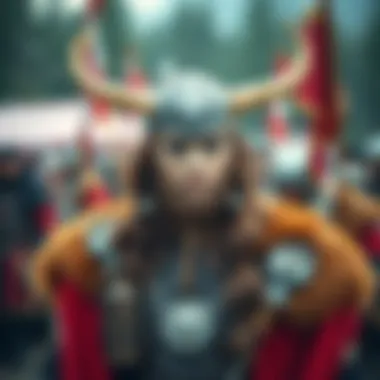
Key visual elements of Viking costumes include distinctive features that form a cohesive representation of this storied culture. Unique silhouettes, intricate embroidery, and striking accessories like helmets and shields stand out as defining characteristics.
Among the most notable attributes are:
- Fur and Leather: These materials were not just practical for warmth; their textures also added visual depth to outfits.
- Layering Techniques: Vikings were known for their functional layering of garments, which incorporated tunics, trousers, and cloaks. This not only served practical purposes but also created a visually-rich aesthetic that layered colors and patterns.
- Bold Colors: While many mistakenly believe Viking attire was dull, natural dyes offered a vibrant palette, from rich blues and reds to earthy greens. These colors were often selected to signify status or community.
Such elements work together to create a visually striking persona that marries the rugged charm of the Viking era with a modern aesthetic appeal.
Materials and Techniques in Viking Clothing
Understanding the materials and techniques that define Viking clothing adds another layer to appreciating their aesthetic appeal. The Vikings were skilled craftspeople, utilizing what their environment offered for both functionality and fashion.
The use of wool, linen, and fur are prevalent, each with distinct properties:
- Wool: Highly valued for insulation and durability, wool was often dyed and woven into elaborate patterns, showcasing the wearer’s skill and status.
- Linen: This fabric was primarily used for undergarments and tunics due to its breathable nature, making it a comfortable choice for layering.
- Furs: Used mostly for warmth, fur also functioned as a status symbol, indicating wealth.
Techniques such as tablet weaving and embroidering also played a crucial role in elevating these materials. The art of tablet weaving not only provided functionality but also visual beauty through geometric designs, which one can frequently see reinterpreted in modern pieces.
Symbolism in Viking Attire
Viking attire isn't just about aesthetics; it symbolizes cultural identity and societal hierarchy. Clothing was a medium to express one’s role in their community, often delineating class, occupation, and even religious beliefs.
For instance:
- Color Representations: Certain colors might signal rank within society—reds for nobles, browns, and greens for commoner classes.
- Emblems and Ornaments: Specific symbols, like the Wolf or the Raven, often embroidered on garments held personal or religious significance, connecting the wearer to their mythology and ancestors.
- Accessories: Items like brooches were not only functional but served as a hallmark of craftsmanship, telling tales of artistry and mythology.
To see a Viking costume today is to encounter history—neither diluted nor forgotten. The allure of Viking aesthetics lies in their ability to bridge the gap between the past and the present, providing inspiration that continues to thrive in contemporary forms.
Crafting Authentic Viking Costumes
Crafting authentic Viking costumes is not merely a pastime or a hobby; it’s a journey that draws upon deep historical roots and the desire to embody a rich cultural legacy. The process requires thoughtful engagement with various elements from the Viking era, merging both research and creativity. Understanding the elements involved in this craft is crucial for anyone looking to create a costume that accurately reflects this ancient culture, while still providing a canvas for self-expression.
Researching to Achieve Authenticity
When diving into the world of Viking cosplay, research acts as your guiding compass. It’s not enough just to watch a few episodes of a popular show or flip through a handful of photos online. This kind of engagement lays a rough foundation, but genuine authenticity demands a deeper dive into historical texts, archaeological findings, and cultural studies. Resources like Britannica can offer a background on Viking history, but nuanced insights often lie in niche journals or community forums.
Consider these steps when embarking on your research:
- Identify Sources: Seek out history books focused on Norse culture, articles from academic institutions, and reputable websites that specialize in historical clothing.
- Analyze Visual Cues: Scrutinize paintings, sculptures, and artifacts that display garments worn by Vikings. Websites like Wikipedia can provide images and illustrations that help you visualize details that might be overlooked in modern interpretations.
- Join Discussions: Engage with online communities such as Reddit where fellow cosplayers share their research and findings. These exchanges can expose you to lesser-known sources that might enrich your understanding.
By immersing yourself in this research, you create a well-informed foundation upon which to build your costume.
Common Patterns and Styles
Viking fashion is characterized by its distinct patterns and silhouettes that say a lot about the people who wore them. Understanding these styles is vital, as not all Viking outfits are a one-size-fits-all affair. Key patterns and styles often noticed include tunics made of wool or linen, which hung knee-length or longer, typically accompanied by belts that cinched at the waist. Here are some common choices you might consider:
- Tunic Variations: There are long-sleeved and short-sleeved tunics, often made from natural fibers. The torso is usually simple, but the sleeves can be quite elaborate.
- Cloaks: Heavy woolen cloaks secured with brooches are signature items. They provide warmth and were practical for different climates.
- Loincloths and Trousers: Men typically wore trousers that tapered at the ankle, while women might choose long skirts. Both have traditionally featured intricate embroidery.
Incorporating these patterns and styles into your costume helps achieve a look that's grounded in authenticity and speaks to the traditions of a bygone era.
Building Accessories that Define the Look
Accessories are often the showstoppers in any cosplay, bringing your Viking ensemble to life in a way that captures attention. These are not just afterthoughts; they play a crucial role in elevating your outfit from merely good to truly captivating. Common accessories that embody the Viking spirit include:
- Belts and Bags: Thick leather belts not only serve a practical purpose but are often embellished with decorative techniques. Handmade leather pouches make for excellent companions.
- Jewelry: Be it bracelets or brooches, these adornments can signify status or heritage. Often made from metals or carved stones, they add a layer of complexity to your overall look.
- Footwear: Viking boots are notable for their versatility and can range from practical to ornamental. Research historical footwear for inspiration, and consider incorporating embellishments that resonate with your theme.
Building these accessories with careful attention to detail contributes to the overall authenticity of your costume. They are the finishing touches that can showcase personality while reflecting the Viking spirit.
By focusing on research, understanding traditional patterns, and crafting meaningful accessories, you’ll be well on your way to creating a superbly authentic Viking costume that resonates with history.
Media Influence on Viking Representation
The representation of Vikings in media has played a pivotal role in shaping our understanding and appreciation of Viking culture. This section seeks to unpack the various ways in which television, film, and online platforms have influenced the portrayal of Vikings, particularly in the context of cosplay. With characters often depicted in dramatic narratives, the image of Vikings has evolved from brutish marauders to intricate, multifaceted individuals rich in history and culture. This section will explore how these portrayals have informed and inspired enthusiasts within the cosplay community, guiding their interpretations and craftsmanship.


Vikings in Television and Film
The surge in Viking-themed television shows and films—like Vikings and The Last Kingdom—has cast a fresh light on Norse mythology and history. These productions have succeeded in humanizing Viking figures, showcasing them as complex heroes or antiheroes rather than mere savage warriors. The impressive set designs and attention to costume detail in these shows provide a wealth of visual inspiration for cosplayers eager to recreate accurate representations.
Interestingly, the influence of these media representations extends beyond mere aesthetics. They stimulate interest in Norse stories and legends, prompting viewers to delve deeper into Viking history. Notably, the characters from these shows often sport historically inspired outfits that include intricate embroideries, decorative brooches, and authentic weaponry, leading cosplayers to seek out similar elements when crafting their costumes.
For instance, the Vikings series is notable for its introduction of iconic characters like Lagertha and Ragnar, each adorned with attire that blends historical accuracy with a dramatic flair. This inspires fans to recreate their favorite character's look, initiating a conversation about what constitutes authenticity versus creative adaptation in costume design.
Impact of Historical Dramas on Cosplay
While entertainment value remains at the forefront of these productions, the exposure to Viking life portrayed in historical dramas opens doors for cosplayers to bridge the gap between fantasy and reality. They depict elements such as everyday clothing of the Vikings, their combat gear, and even their jewelry, offering a narrative that resonates well with the cosplay ethos of storytelling.
As a result, many cosplayers find themselves not just dressing up but actively engaging in research concerning the historical accuracy of their chosen portrayals. With an array of discussions and resources available online, enthusiasts are encouraged to consider the techniques used in historical embroidery or the significance behind each piece of armor. For many, cosplaying as a Viking becomes an educational venture, integrating fun with learning, thus enriching the community's understanding of history.
Online Communities and Fan Arts
The advent of social media has provided ample platforms for cosplayers to connect and share their work. Online forums and groups found on platforms like Reddit and Facebook allow enthusiasts to exchange tips, techniques, and resources. This sense of community fosters a culture of mutual support and encourages individuals to push creative boundaries, whether they are just starting out or fine-tuning their craft.
Moreover, it's within these online spaces that fan arts flourish. Artists often reinterpret Viking images, blending historical accuracy with modern aesthetics. This cross-pollination not only highlights differing views on Viking representation but also enriches the community's resources. For instance, instructional videos on YouTube show step-by-step costume-making processes or tutorials for crafting specific accessory types like swords and shields.
"In the world of Viking cosplay, it’s more than just dressing up; it’s about carving out personal stories and community ties."
As cosplayers share their unique recreations, they help demystify the complexities involved in crafting historically-informed costumes. This valuable exchange of knowledge and art fuels a continuous cycle of inspiration, pushing the community toward collective growth and exploration.
Ultimately, the media's portrayal of Vikings has rendered an intricate tapestry that not only entertains but also educates, making it a fertile ground for creativity in cosplay. The narrative created by these popularly consumed representations has strengthened community ties, encouraged inclusivity, and fostered a deeper appreciation for the Viking heritage in the contemporary world.
Viking Cosplay Events and Gatherings
Viking cosplay events and gatherings are crucial touchpoints for enthusiasts passionate about the vibrant world of Viking culture. These gatherings provide a platform for individuals to connect, share knowledge, showcase their craftsmanship, and immerse themselves in the community. They serve not only as celebration of historical aesthetics but also as an opportunity to engage with others who appreciate the complexities of bringing Viking narratives to life.
Conventions Focused on Historical Cosplay
Events like the Viking Festival in Lofotr, Norway, or even regional conventions across Europe and North America have transcended the typical fan conventions. They emphasize historical accuracy while celebrating creativity. Attendees do not simply don costumes; they engage in workshops, discussions, and even reenactments to deepen their understanding of Viking life. Many of these conventions include panels where speakers delve into various aspects of Viking history—from exploration and trade to their artistic expressions. This setting fosters an environment of learning, allowing participants to walk away with a richer narrative of Norse mythology and culture in mind.
Workshops for Skill Development
Crafting Viking costumes can often feel like an overwhelming task, especially for new cosplayers. Workshops held at conventions or independently organized allow individuals to hone their skills in creating authentic attire. These can range from sewing techniques to leather crafting, and from metalwork to embroidery. For instance, there's a specific focus on traditional techniques such as tablet weaving, which is often highlighted during these sessions. Participants get hands-on experience, guided by skilled artisans who are eager to pass on their knowledge.
Competitive Cosplay: Preparing for Contests
For those who take their costume crafting to the next level, competitive cosplay offers a thrilling avenue. Events often include competitions where participants are judged on accuracy, creativity, and craftsmanship. Preparing for these contests requires time and dedication. Competitors usually begin months in advance, researching their chosen character or historical figure, gathering materials, and assembling intricate details that truly capture the spirit of the Viking era. Custom weaponry or historically accurate accessories can become crucial elements in setting their presentation apart from others.
Competitions not only challenge individuals to strive for accuracy but also promote camaraderie as contestants often share tips or lend a helping hand to one another. The thrill of competition can be exhilarating, pushing cosplayers to learn new skills and gain confidence in their craft.
"Viking cosplay isn't merely about the costume; it's about embodying a narrative—that's what makes these gatherings special."
The Community Aspect of Viking Cosplay
The community aspect of Viking cosplay is not merely an incidental feature—it is the very soul of the practice. When individuals delve into this craft, they often find themselves tapping into a rich network of enthusiasts who share a common passion. This connection fosters collaboration, creativity, and camaraderie, leading to experiences that can transform what might be a solitary hobby into a multifaceted social venture.
Building Connections within the Community
As one weaves their way into the Viking cosplay community, they quickly discover that relationships matter as much as the craftsmanship involved in costume creation. Whether it's through online forums, social media groups, or conventions, individuals have ample opportunities to connect. Events like the Viking Festival or gatherings linked to historical reenactments provide perfect venues for novices and seasoned cosplayers alike to share stories, techniques, and the latest trends in costume design.
The warmth and encouragement from fellow enthusiasts can be immensely reassuring, especially for newcomers feeling overwhelmed by the intricacies of historical accuracy or historical references. For instance, someone just starting might post a photo of their first tunic and receive constructive feedback or inspiration to elevate their craftsmanship, laying the groundwork for a new friendship forged under shared interests.
Inclusivity and Diversity in Cosplay
One of the defining features of Viking cosplay is its inclusivity and diversity. This subculture welcomes individuals from all walks of life, regardless of their background, skill level, or resources. The community thrives on the belief that anyone can portray a Viking, thereby democratizing the art of cosplay.
Moreover, cosplayers often find a sense of belonging. Those from different racial, gender, and socioeconomic backgrounds contribute to a kaleidoscope of interpretations rooted in personal experiences. As such, Viking cosplay remains a canvas where various perspectives interlace, enriching narratives and expanding traditional representations. This diversification not only adds depth to the Viking portrayal but helps dismantle stereotypes that often surround the culture, encouraging a more nuanced understanding among fans and participants.
Mentorship and Knowledge Sharing

Within the Viking cosplay community, mentorship plays a vital role in nurturing rising talents. Veterans in the scene often take it upon themselves to guide novices through the myriad challenges of crafting authentic costumes. They might host workshops, provide tutorials, or simply share resources that point others in the right direction. For example, an experienced armor-maker may show a newcomer how to shape a Viking helmet using leather or metal, bridging the gap between theory and practice.
This culture of knowledge sharing extends beyond technical skills; it often encompasses storytelling, historical references, and cultural insights. Many seasoned cosplayers are passionate about the history behind their characters and attire, and they willingly pass on this passion to newcomers. Thus, mentorship fosters not only skill-building but also a deeper appreciation of the Viking culture itself.
"In every stitch lies a story, and in every community ties a legacy."
Challenges in Viking Cosplay
Viking cosplay stands as a vibrant tapestry woven from threads of history, imagination, and community. Yet, as enthusiasts dive into this compelling world, they often encounter various hurdles that can dampen the creative spirit. Highlighting these challenges is vital, not just to raise awareness but also to foster a culture of understanding and support within the cosplay community. In tackling this topic, we can sharpen our focus on how to preserve the joy of interpretation while recognizing the responsibility that comes with representing a rich cultural legacy.
Addressing Misconceptions and Stereotypes
One of the central challenges in Viking cosplay revolves around the misconceptions and stereotypes that persist both in popular culture and among individuals. The modern image of Vikings often strays far from the historical context that underpins their culture. For instance, while many envision Vikings as savage warriors clad in horned helmets, the reality of Viking life was far more nuanced and complex.
These broad-brush portrayals can lead to misunderstandings about the Viking heritage, triggering discomfort among those who embrace a more accurate representation. It’s essential for cosplayers to educate themselves about the true history of the Vikings, which in turn can help combat these stereotypes. Materials such as academic papers, documentaries, and historical texts are invaluable resources in this journey. By disseminating factual information through blogs, social media, and dialogue, the community can create a more respectful and informed environment.
Balancing Historical Accuracy with Creative Freedom
Finding the sweet spot between staying true to historical accuracy and embracing creative expression is an ongoing tension in Viking cosplay. Purists may argue that any deviation from historical sources undermines the cultural significance of the Vikings, while others often feel stifled, craving the freedom to interpret and innovate.
To strike a balance, cosplayers can consider creating hybrid costumes that merge historical elements with personal flair. For example, drawing inspiration from authentic Viking designs while infusing modern aesthetics can yield visually stunning results. This approach not only respects the past but also allows room for individuality, fostering a sense of pride in one's creative choices.
Navigating Community Critiques
In any creative community, there will always be critics, and the Viking cosplay world is no exception. Navigating feedback—especially when it carries a tone of elitism—can be daunting for many cosplayers. Constructive critiques can be valuable, driving improvement and deeper understanding, but dismissive comments can hinder enthusiasm and deter newcomers from fully engaging.
To softens this atmosphere, it is important for seasoned cosplayers to mentor newcomers. Encouraging constructive discussions and fostering a positive space cultivates growth and confidence within the community. Establishing clear channels for feedback, such as forums on sites like reddit.com or dedicated cosplay groups on facebook.com, can help create an environment where everyone feels comfortable expressing their identity and creativity without fear of harsh judgment.
Ultimately, facing these challenges head-on not only strengthens one's connection to Viking cosplay but also uplifts the entire community, allowing every individual to flourish within this rich and expansive narrative.
Future Trends in Viking Cosplay
The world of Viking cosplay is not just a static affair; it is an evolving tapestry rich with innovations and changing narratives. Understanding the future trends in this unique niche offers valuable insights to enthusiasts and professionals alike. The field of cosplay, particularly centered around Viking culture, is witnessing transformations influenced by technological advancements, environmental considerations, and shifts in cultural representation. From evolving materials to sustainable practices, and the continual expansion of the Viking narrative in modern media, each facet contributes to a vibrant future.
Evolving Materials and Technologies
The advancements in materials and technology cannot be left unexamined when discussing the future of Viking cosplay. Traditionally, cosplayers relied on fabrics and materials that echoed historical accuracy; wool, leather, and cotton dominated the scene. However, modern innovations are broadening the horizons.
Consider this:
- 3D Printing: This technology is changing the costume game. Now, cosplayers can create intricate details like jewelry or weaponry with precision – all from their homes. The ease of access to design software allows even novices to produce high-quality prints, minimizing the need for sculpting or casting methods that were once labor-intensive.
- Smart Fabrics: These are not just for tech geeks—they're making their way into cosplay. Imagine a cloak that adjusts its temperature or lights up at the touch of a button. Such innovations could make for more immersive presentations.
- Synthetic Leathers and Wool Alternatives: Materials that mimic traditional fabrics without the environmental impact are becoming popular. They offer the same aesthetic while being easier to work with and maintain. Cosplay is making strides, embracing textiles that allow cosplayers to don their attire with pride and without a second thought to ethics.
Sustainability in Cosplay Practices
As with many modern movements, sustainability is at the forefront of cosplay. This aspect is gathering steam among enthusiasts who are reevaluating their practices in light of environmental responsibility.
Here are several considerations:
- Upcycling Materials: Instead of buying new, cosplayers are turning to thrift shops or even their own wardrobes to create costumes. This not only reflects creativity but also reduces waste—a significant step for the environment.
- Locally Sourced Fabrics: As cosplayers become more aware of their ecological footprint, there's a shift towards supporting local artisans and suppliers. Using regional materials cuts down on transport emissions and supports the community.
- Second-Hand Costuming: An increase in sharing and swapping resources has been noted. Online groups are popping up for exchanging or selling pre-owned items, fostering a community that prioritizes reuse.
Expanding the Viking Narrative in Pop Culture
Lastly, as new media portrayals of Vikings continue surfacing, the narrative around this culture is opening up avenues for creative reinterpretation. Shows like The Last Kingdom and Vikings: Valhalla are not just a feast for visual senses; they reshape how cosplayers interpret historical figures or myths.
- Diverse Portrayals: There’s an increasing intention to showcase a wider range of characters. Beyond the well-known warriors, there’s a spotlight now on women, druids, and even lesser-known figures from Norse mythology. This enriches the storytelling and encourages cosplayers to explore different aspects of Viking culture.
- Intersection with Other Cultures: Collaborations with other historical themes or modern interpretations open crossover opportunities. Imagine a Viking knight mixed with steampunk elements—these kinds of mashups breathe fresh air into community creativity.
As Viking cosplay continues to adapt to technological, ecological, and cultural shifts, it encourages a more dynamic and inclusive community that is poised to thrive.
Finale: The Enduring Appeal of Viking Cosplay
Viking cosplay stands as a testament to the rich tapestry of history interwoven with modern creativity. The significance of this topic lies in its exploration of how people harness ancient narratives to express themselves today. A deep dive into Viking cosplay reveals not just a connection to the past but highlights a vibrant community that thrives on shared interests and mutual respect.
From the meticulous crafting of costumes to the incorporation of symbolic elements, enthusiasts breathe life into narratives that have fascinated many for centuries. This hobby serves not merely as an escape, but as a way for individuals to evoke powerful figures, stories, and cultures that resonate deeply. The inclusion of intricate details in their attire, borne from intensive research, embodies a form of respect towards the history they depict.
With numerous events dedicated to this art form, each gathering becomes a cultural exchange, where participants share knowledge and hone their skills. The ongoing dialogue among cosplayers fosters an environment of learning and adaptability, making Viking cosplay accessible to novices and seasoned practitioners alike. It's a melting pot of ideas, where inspiration flows thickly from every corner—an unending tapestry of innovation built upon history.
"Cosplay is not just dressing up; it’s a way to connect, learn, and grow within a community rich in history and creativity."
As we reflect on the journey of Viking cosplay, we recognize that it is not bound by rigid definitions of what it should be; instead, it invites flexibility and personal interpretation. This inclusivity is what makes Viking cosplay is enduring, allowing everyone from historians to creative minds to express themselves. In a fast-paced world that often forgets its origins, Viking cosplay serves as a vibrant reminder to celebrate our roots while forging paths into new insights.
Ultimately, the future holds vast potential for this artistic expression, with technological advancements and cultural shifts poised to shape its evolution. The crafting of costumes, the storytelling through outfits, and the sense of community will continue to inspire countless individuals. As long as there are those willing to don the helm and embrace their inner Viking, this beloved subculture will flourish.